 Completed
À la une
Completed
À la une
220 Central Park South
118 Residences · By Vornado Realty Trust

Les condominiums de luxe les plus prestigieux de Manhattan, des tours iconiques de Billionaires' Row aux lofts de Tribeca et aux programmes neufs, sélectionnés par Manhattan Miami
Les copropriétés de prestige les plus prisées de Manhattan, des tours emblématiques de Billionaires' Row aux lofts de Tribeca et aux programmes neufs
Completed
À la une
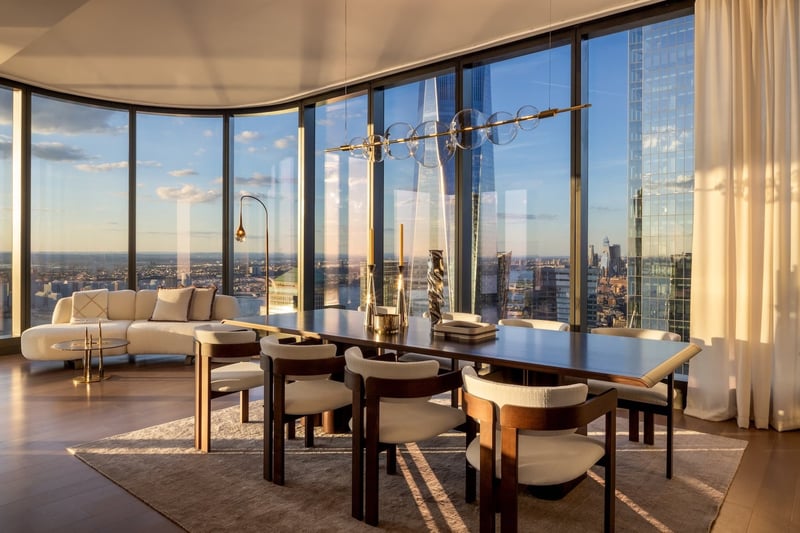
118 Residences · By Vornado Realty Trust
 Completed
À la une
Completed
À la une
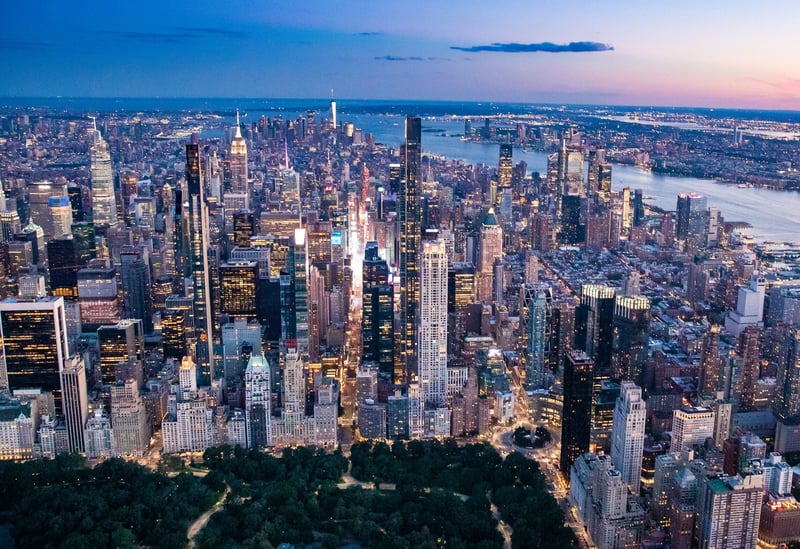
272 Residences · By Bizzi & Partners
 Completed
À la une
Completed
À la une
179 Residences · By Extell Development Company
 Completed
À la une
Completed
À la une
566 Residences · By Macklowe Properties
 Completed
À la une
Completed
À la une
375 Residences · By Dajia Insurance Group
 pre-construction
112 Residences · By Zeckendorf Development and Atlas Capital Group
 pre-construction
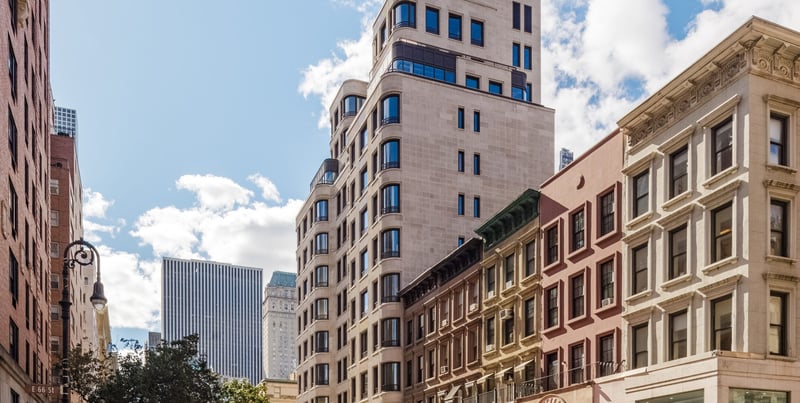
10 Residences · By SL Green Realty Corp.
 under-construction
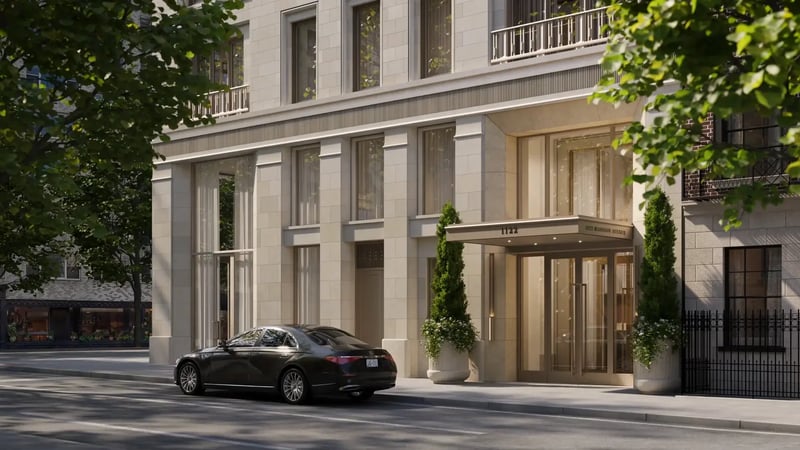
26 Residences · By Legion Investment Group and Nahla Capital
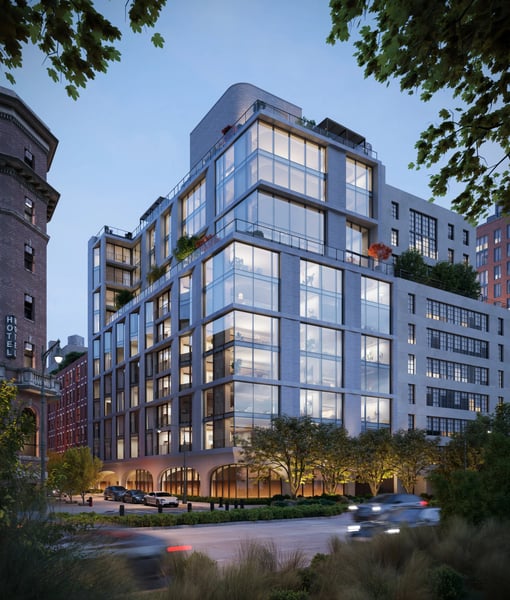 under-construction
14 Residences · By Aurora Capital Associates
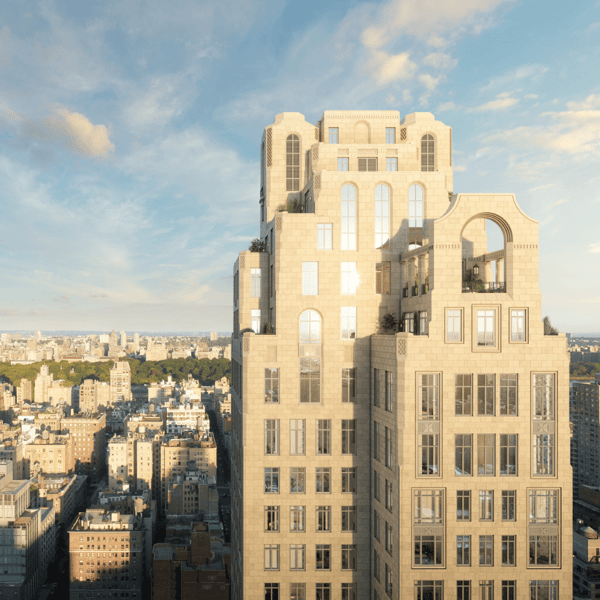 under-construction
62 Residences · By Naftali Group
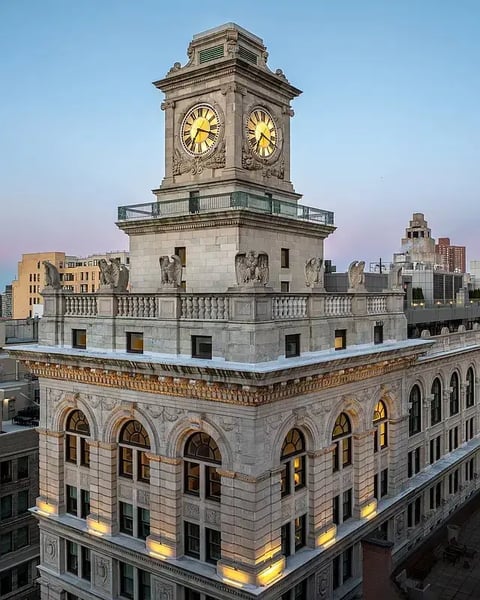 Completed
166 Residences · By Elad Group & Peebles Corporation
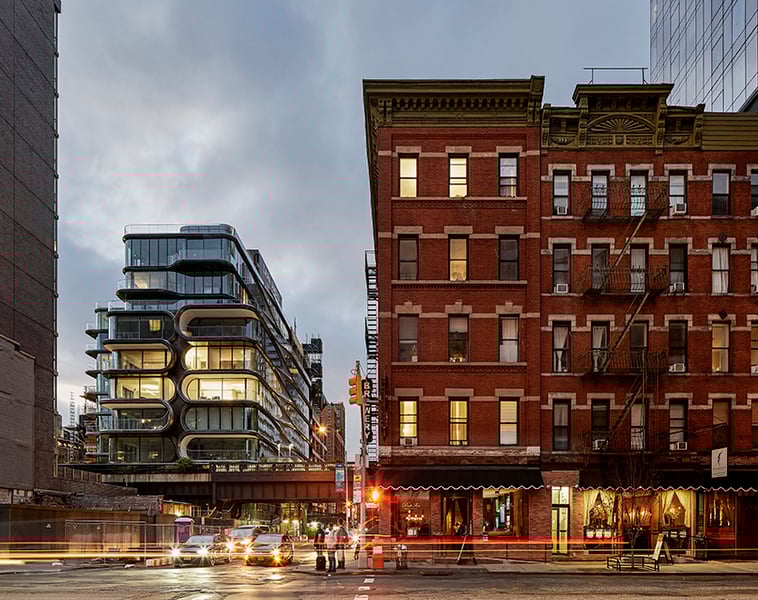 Completed
39 Residences · By Related Companies
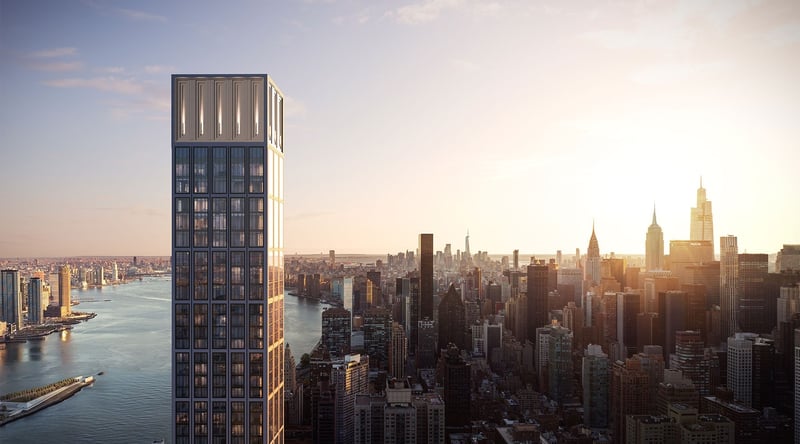 Completed
120 Residences · By Gamma Real Estate / JVP Management
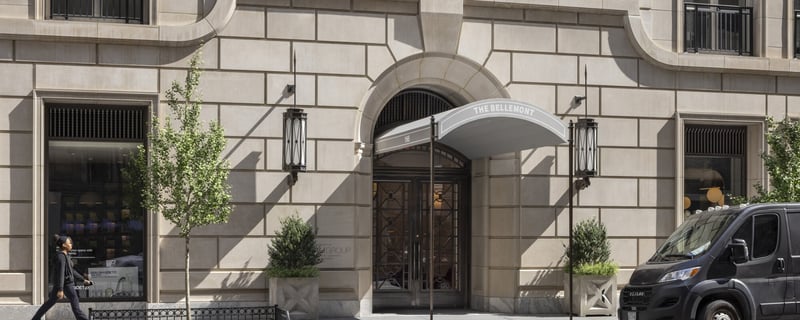 Completed
12 Residences · By Naftali Group
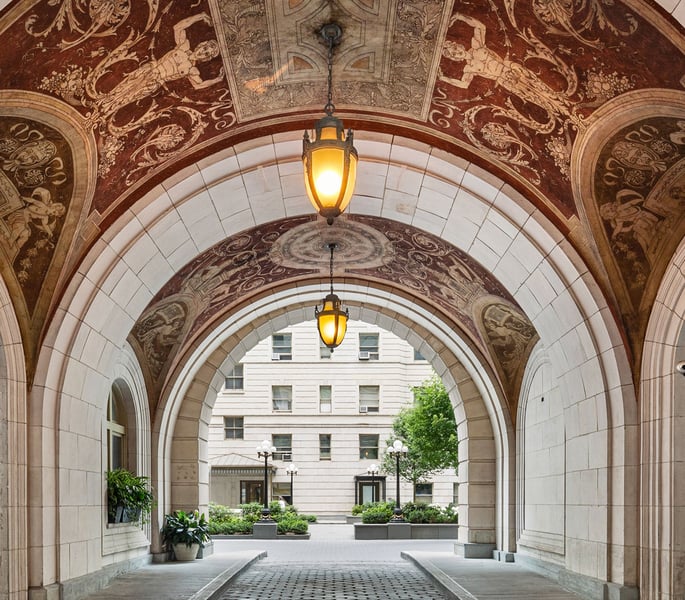 Completed
215 Residences · By HFZ Capital Group
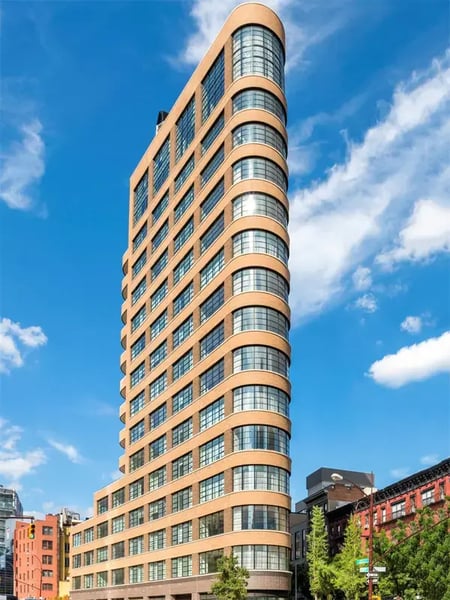 Completed
20 Residences · By Madison Equities & Property Markets Group (PMG)
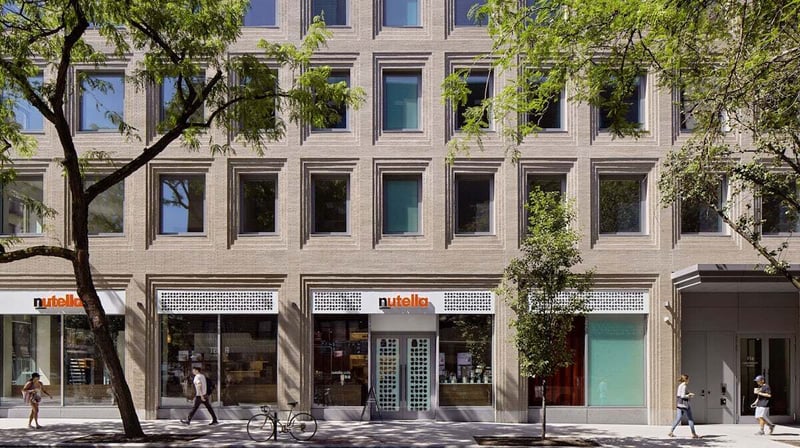 Completed
5 Residences · By Ranger Properties & Sagamore Capital
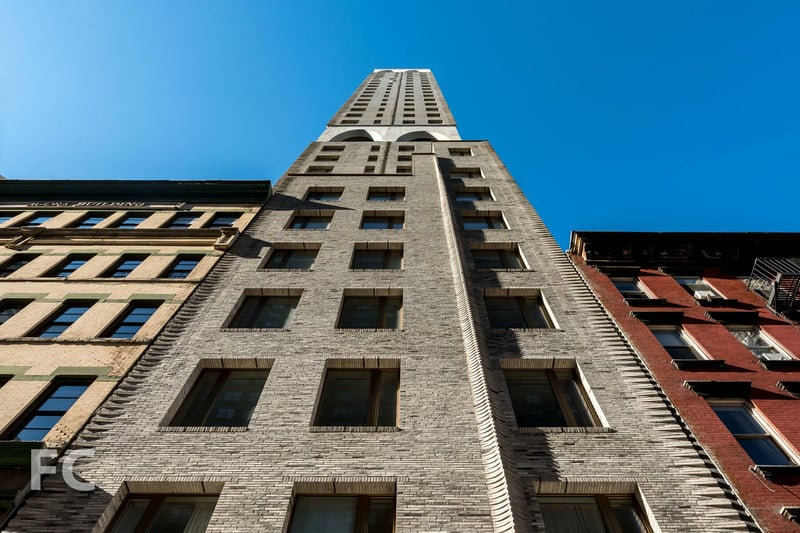 Completed
48 Residences · By DDG
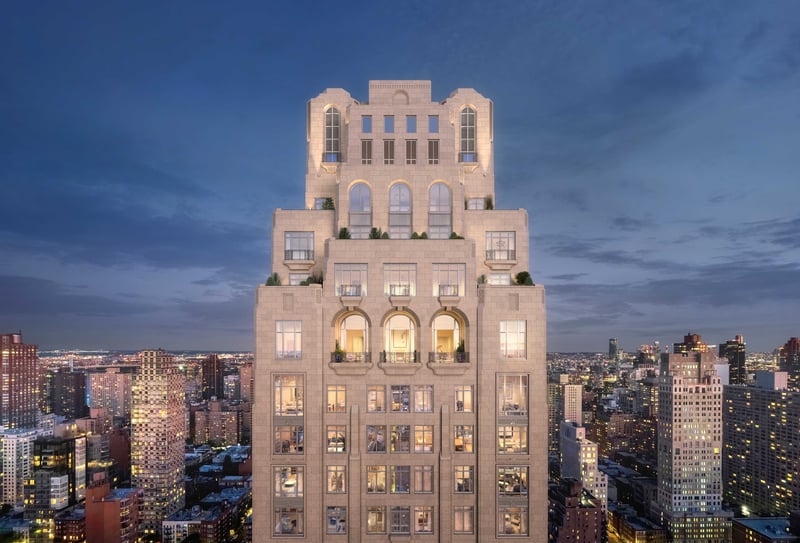 Completed
86 Residences · By Naftali Group & Rockefeller Group
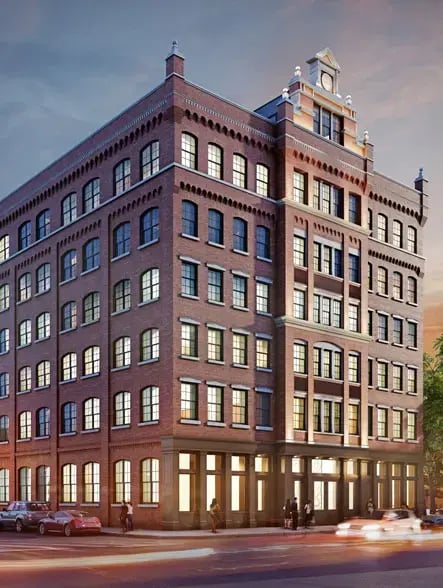 Completed
20 Residences · By Stillman Development
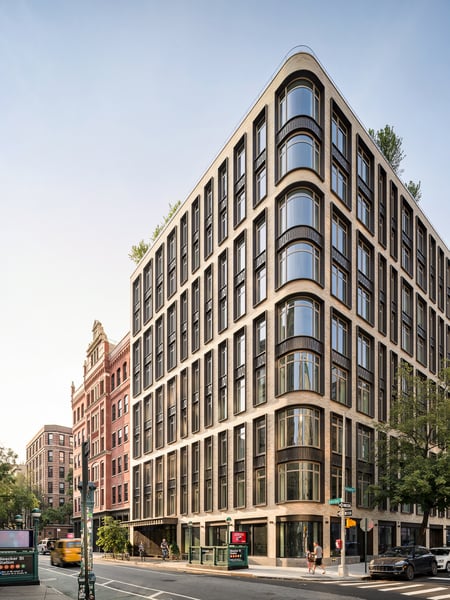 Completed
61 Residences · By Broad Street Development
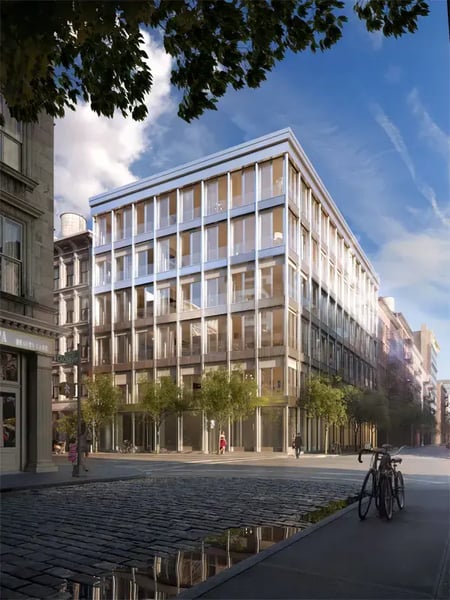 Completed
10 Residences · By Atlas Capital Group
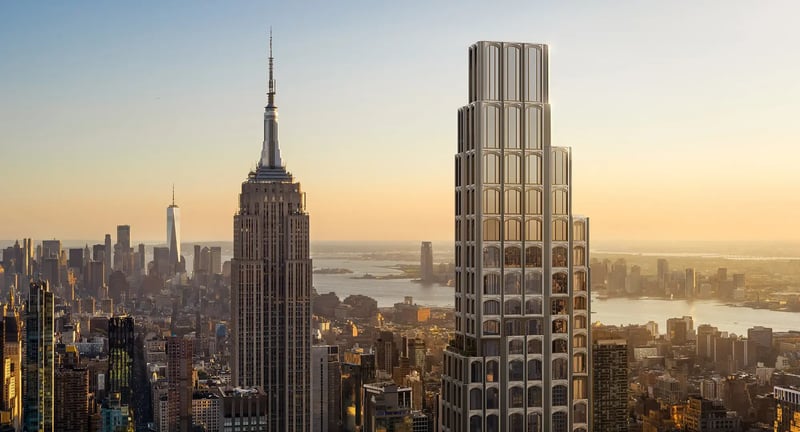 Completed
100 Residences · By Rabina
 Completed
60 Residences · By JDS Development Group
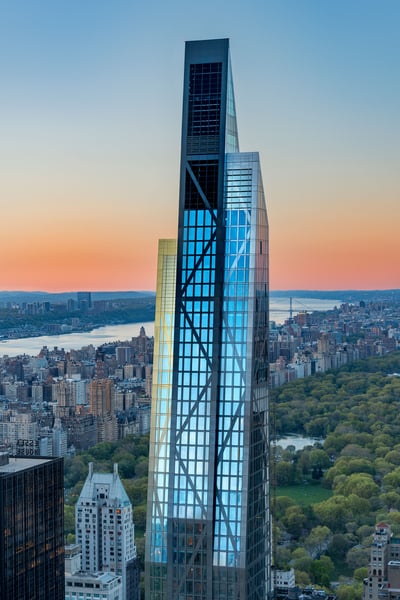 Completed
145 Residences · By Hines / Goldman Sachs
 Completed
33 Residences · By Zeckendorf Development
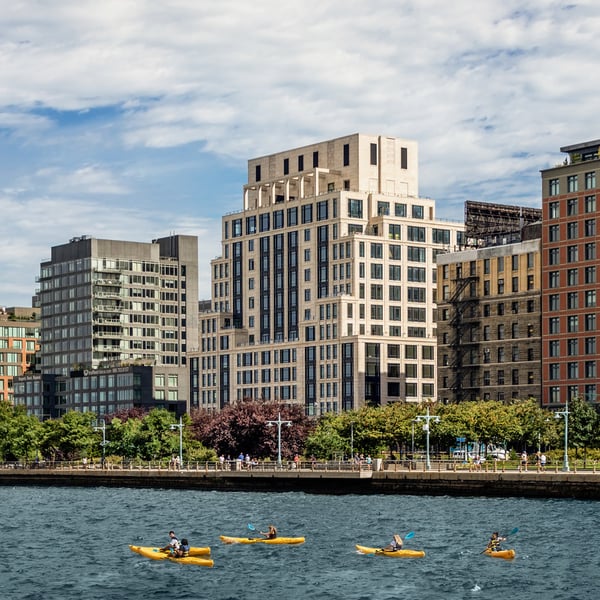 Completed
46 Residences · By Related Companies
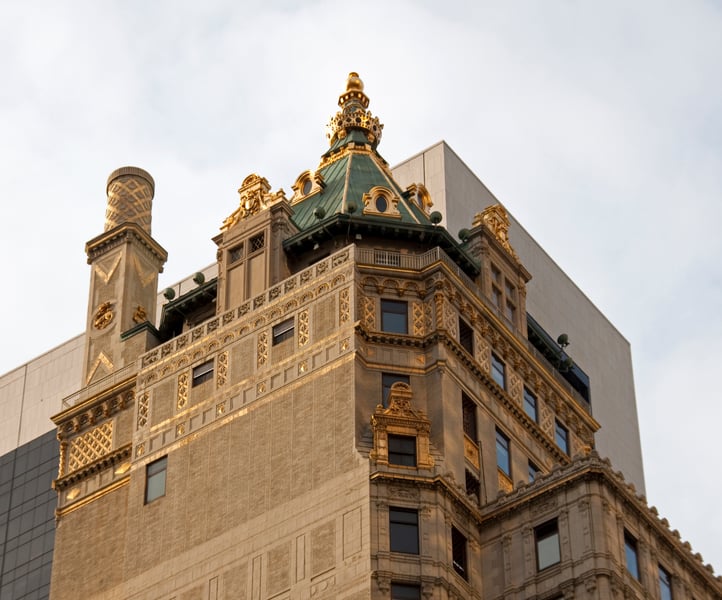 Completed
22 Residences · By OKO Group
 Completed
127 Residences · By Extell Development
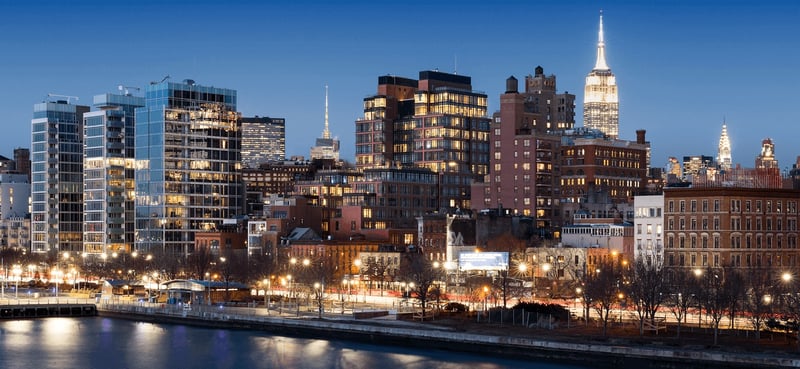 Completed
91 Residences · By Witkoff Group & New Valley
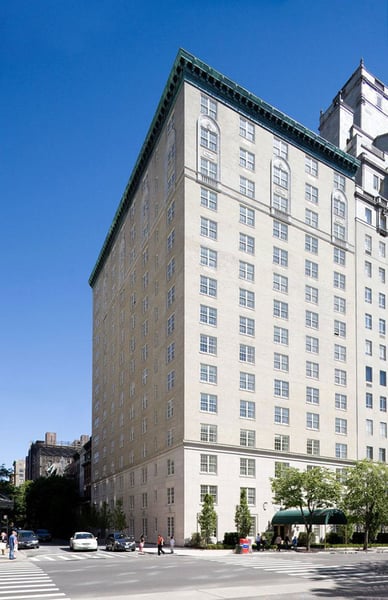 Completed
30 Residences · By 995 Fifth Avenue LLC
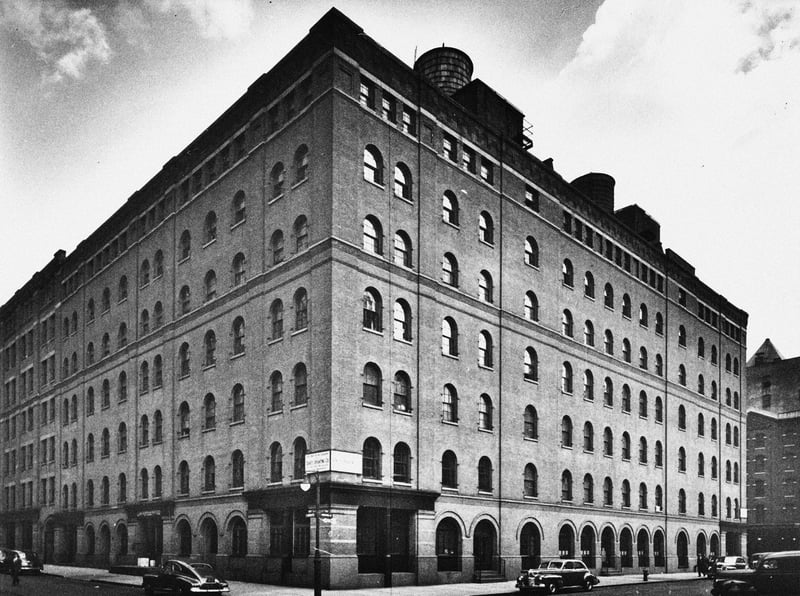 Completed
53 Residences · By Nathan Berman, Metro Loft Management
 Completed
51 Residences · By Related Companies, HFZ Capital Group and CIM Group
 Completed
157 Residences · By Silverstein Properties
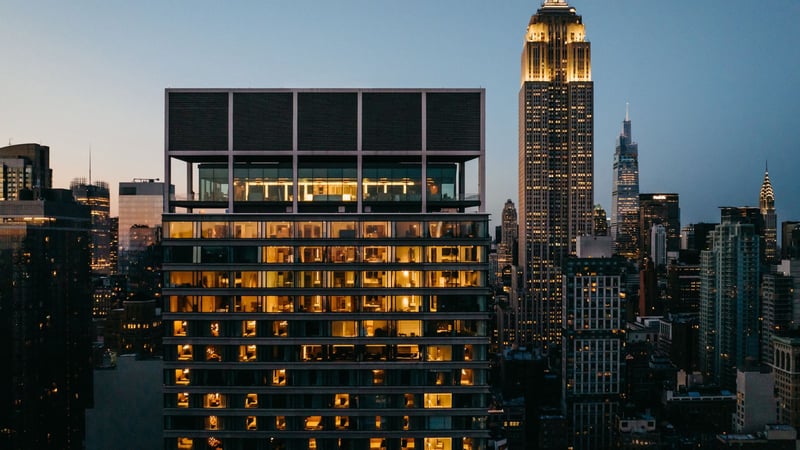 Completed
116 Residences · By Flag Luxury Group and Bizzi & Partners
 Completed
50 Residences · By Alchemy Properties
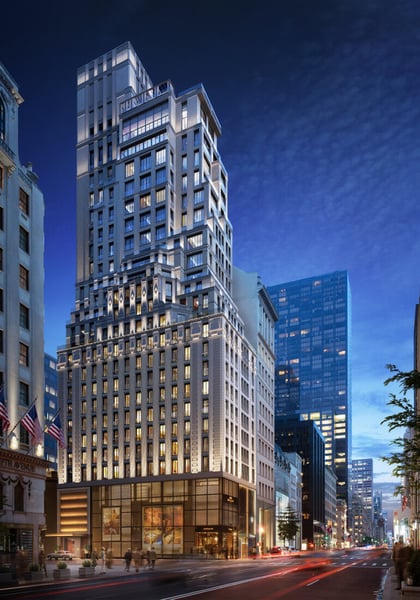 under-construction
69 Residences · By Mandarin Oriental
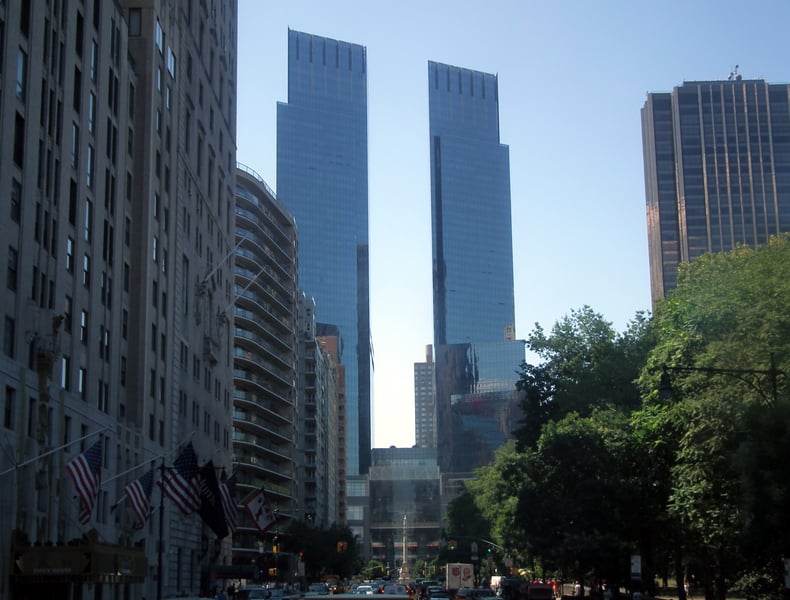 Completed
133 Residences · By Related Companies and Apollo Real Estate Advisors
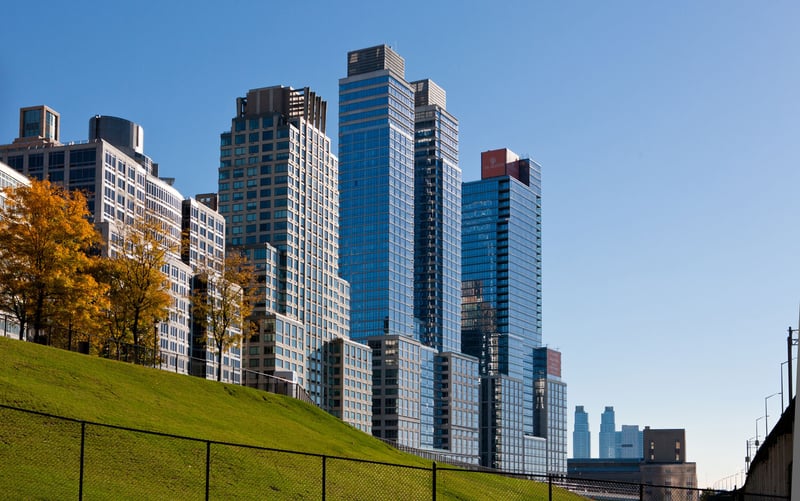 Completed
285 Residences · By Extell Development Company
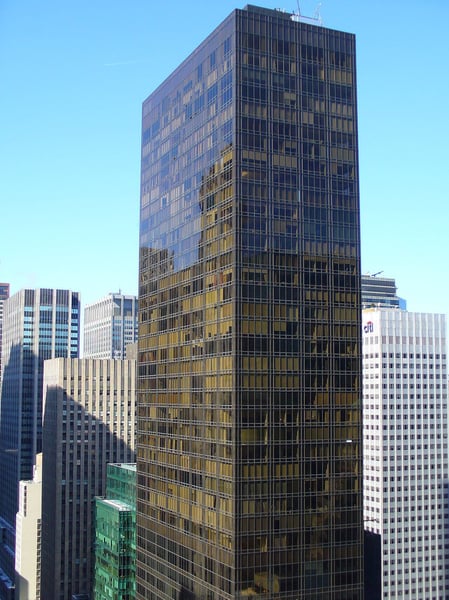 Completed
225 Residences · By Arlen Realty & Olympic Airways
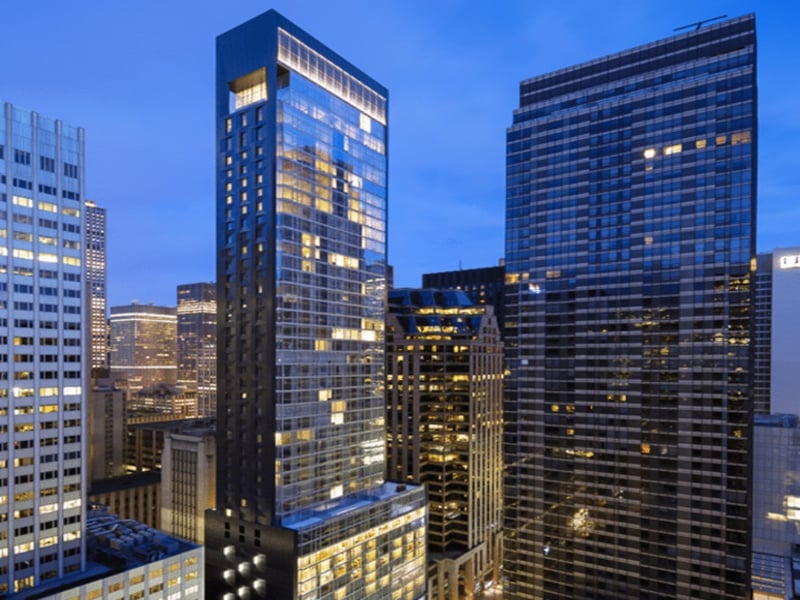 Completed
61 Residences · By Starwood Capital Group and Tribeca Associates
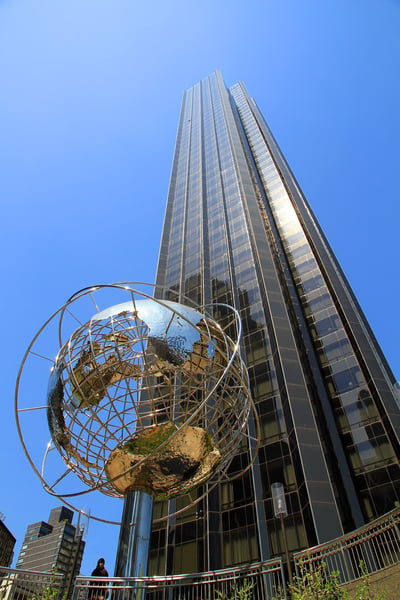 Completed
156 Residences · By The Trump Organization, General Electric Pension Trust and Galbreath Company
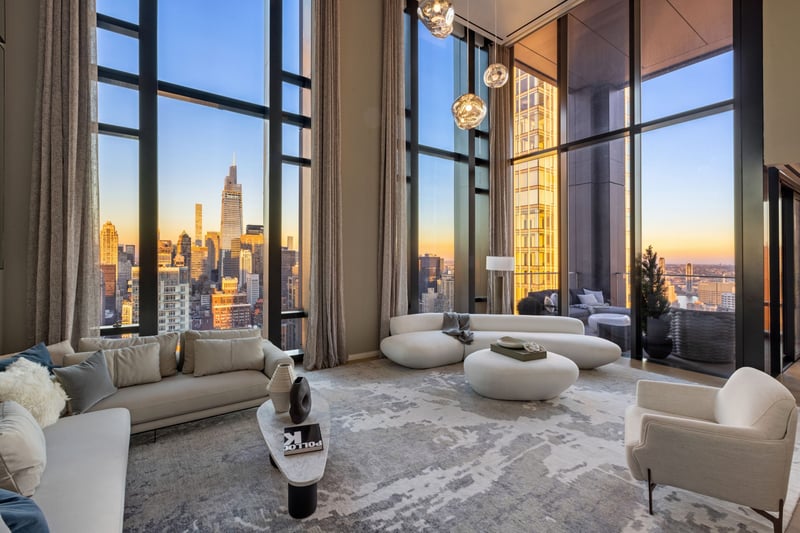 Completed
130 Residences · By Victor Group and Lendlease
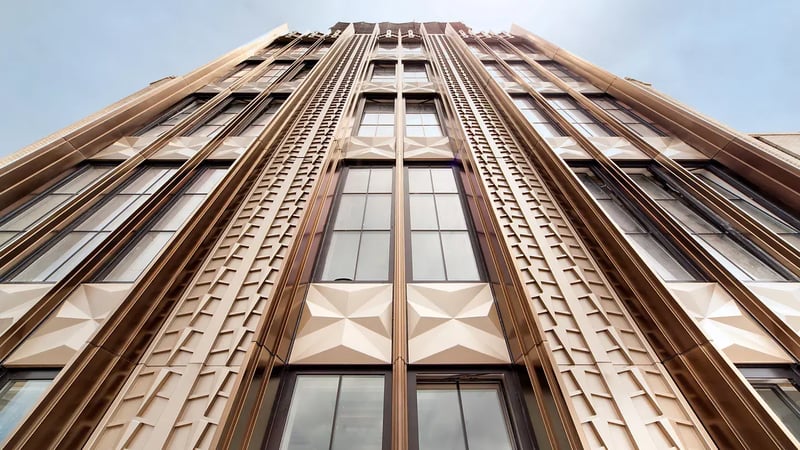 Completed
47 Residences · By JDS Development Group
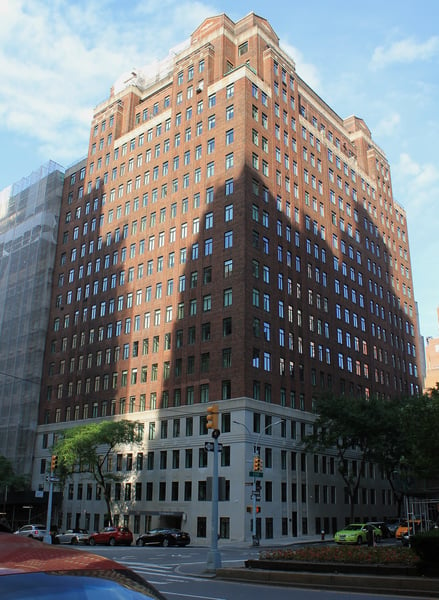 Completed
60 Residences · By Macklowe Properties
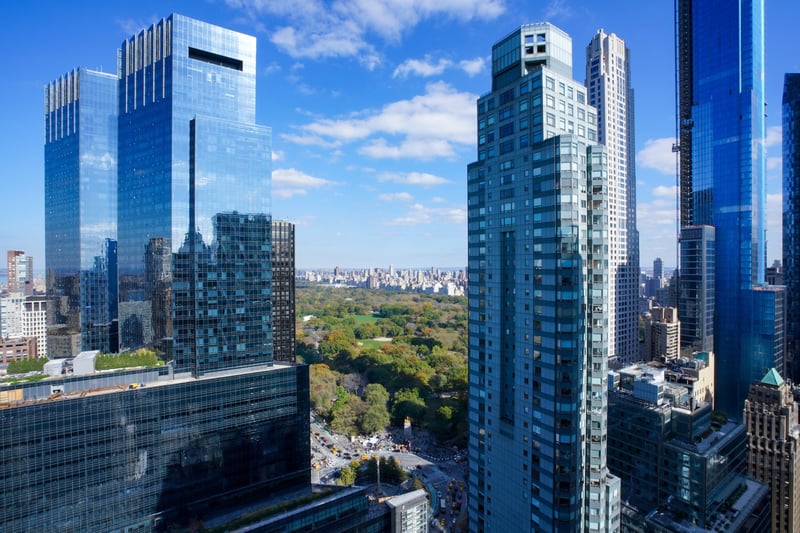 Completed
583 Residences
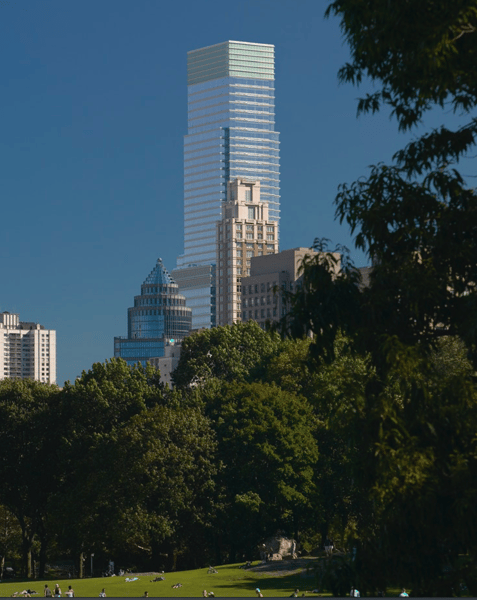 Completed
105 Residences · By Vornado Realty Trust
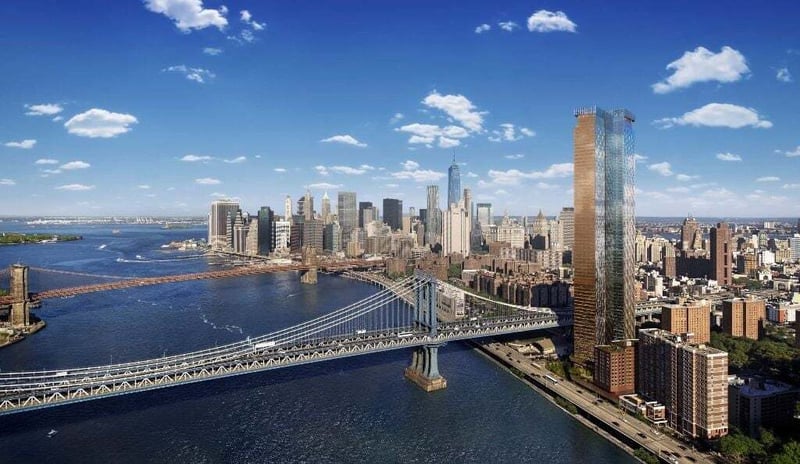 Completed
815 Residences · By Extell Development Company
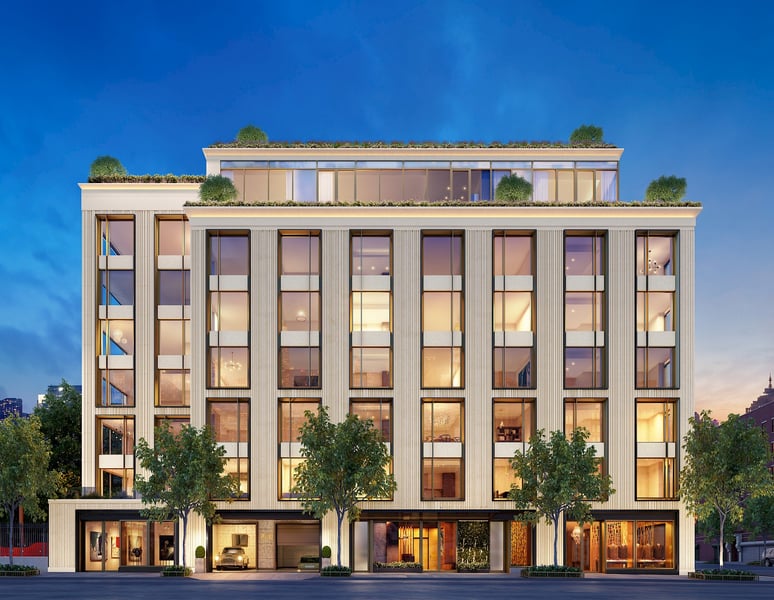 Completed
35 Residences · By DHA Capital / AMS Acquisitions
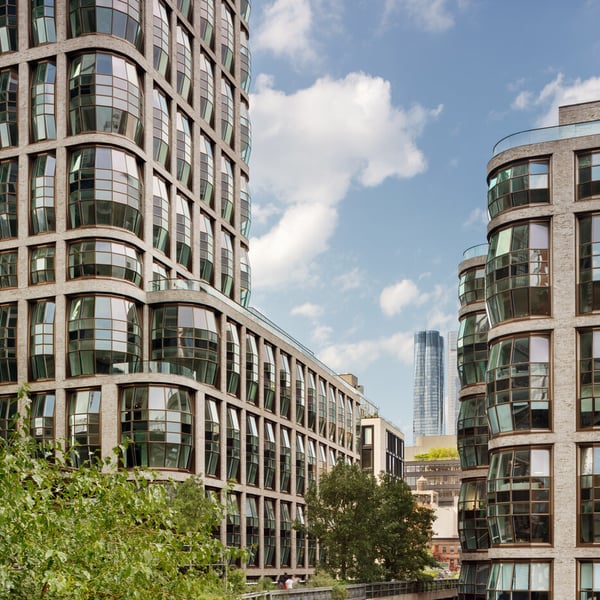 Completed
181 Residences · By Related Companies
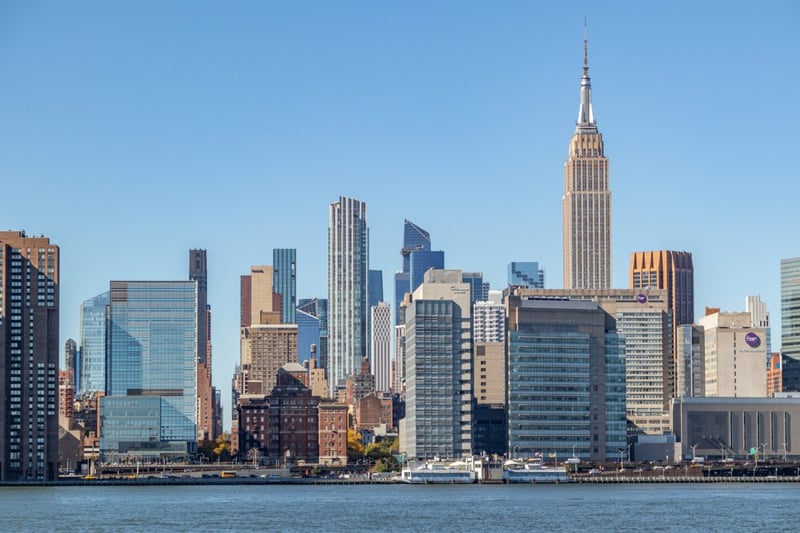 Completed
199 Residences · By Fosun Group & J.D. Carlisle
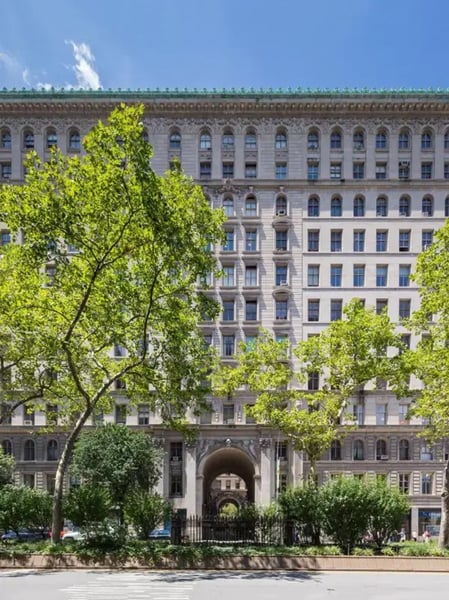 Completed
163 Residences · By William Waldorf Astor / Area Property Partners
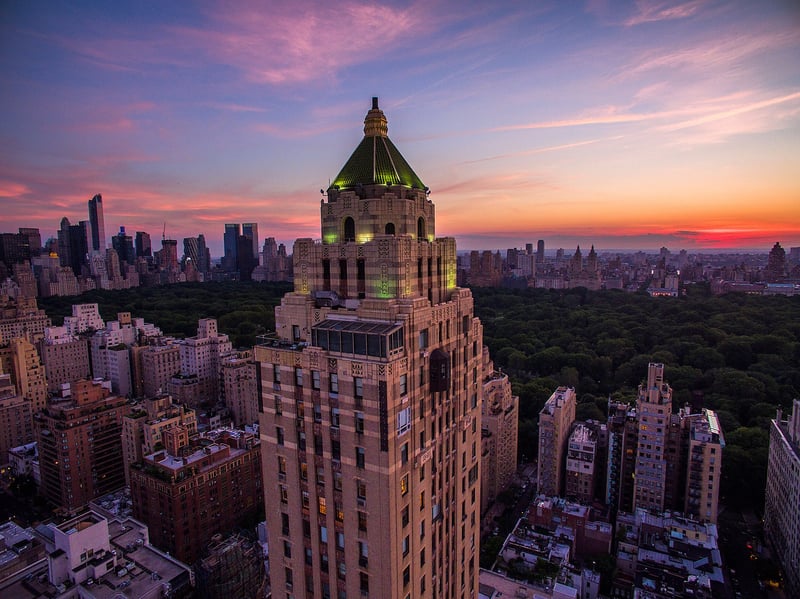 Completed
60 Residences · By Moses Ginsberg / Rosewood Hotels
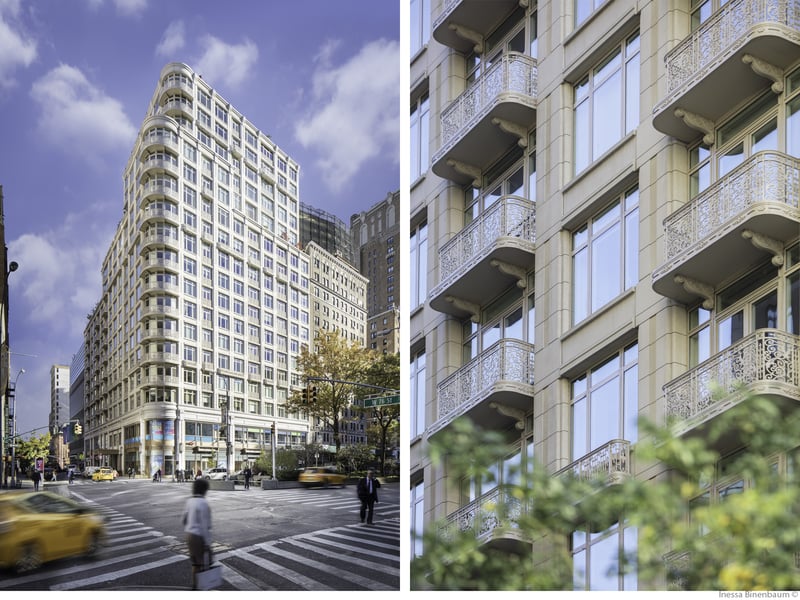 Completed
71 Residences · By The Stahl Organization
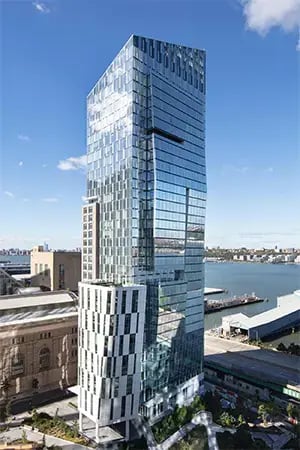 Completed
263 Residences · By GID Development Group
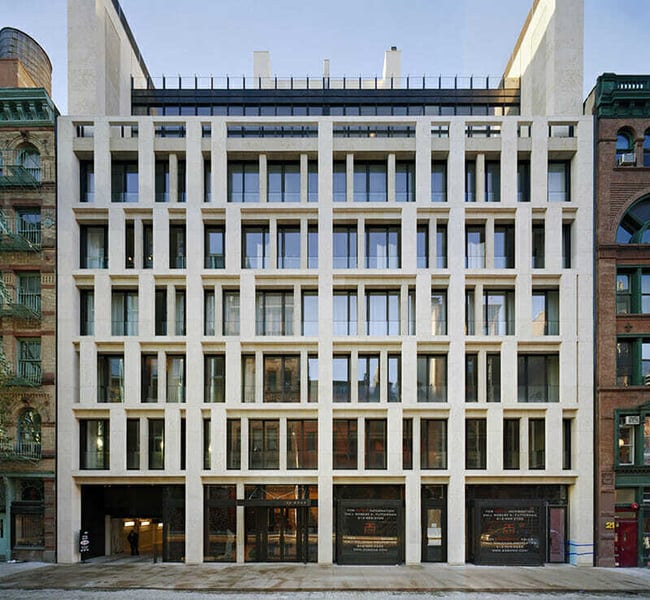 Completed
10 Residences · By Goldman Properties (Tony Goldman)
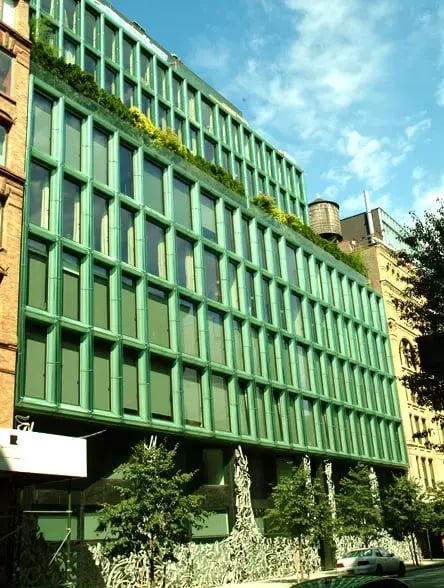 Completed
33 Residences · By Ian Schrager / RFR Realty
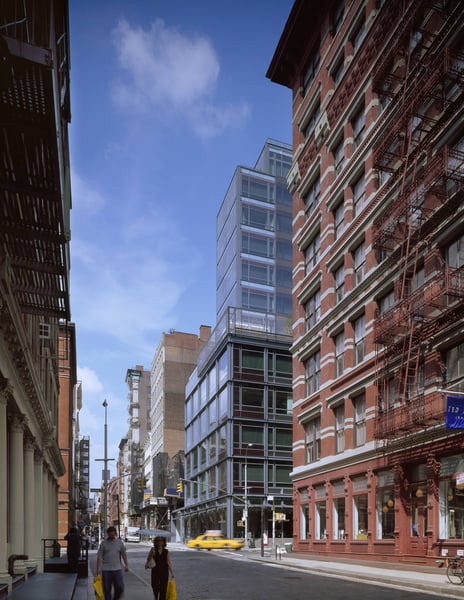 Completed
40 Residences · By Andre Balazs / Hines
 Completed
219 Residences · By Gamma Real Estate
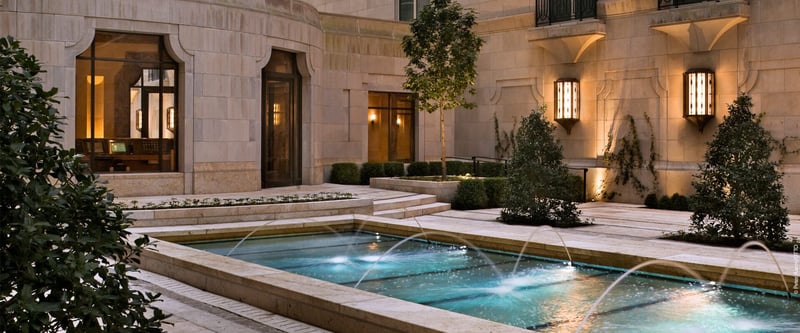 Completed
202 Residences · By Zeckendorf Development
 Completed
131 Residences · By Glacier Equities & InterVest Capital Partners
 Completed
191 Residences · By Navigation Capital Group
 Completed
92 Residences · By Extell Development Company
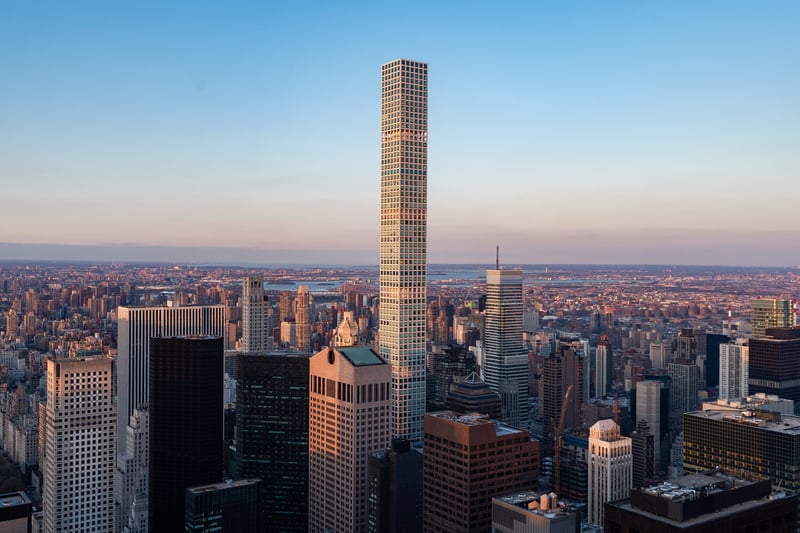 Completed
125 Residences · By CIM Group & Macklowe Properties
 Completed
145 Residences · By Hines / Alexico Group
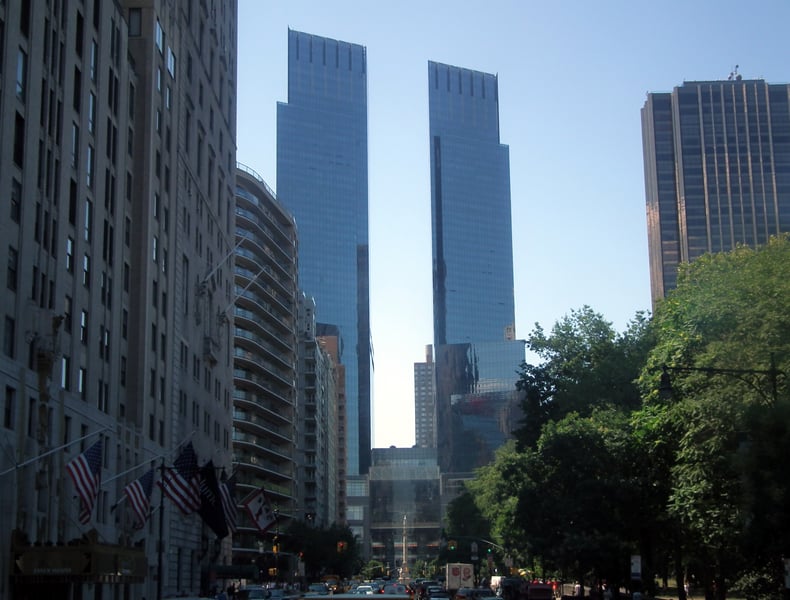 Completed
198 Residences · By Related Companies and Apollo Global Management
 Completed
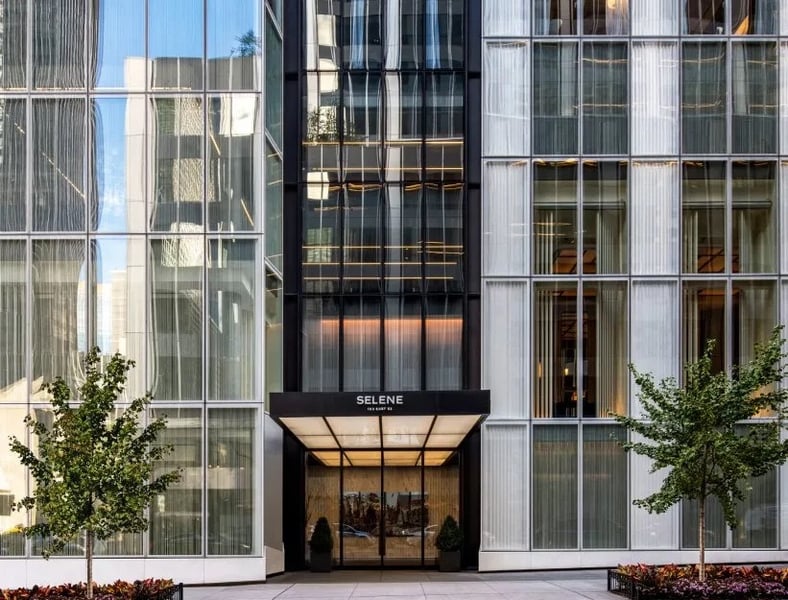
94 Residences · By Vanke US / RFR
 Completed
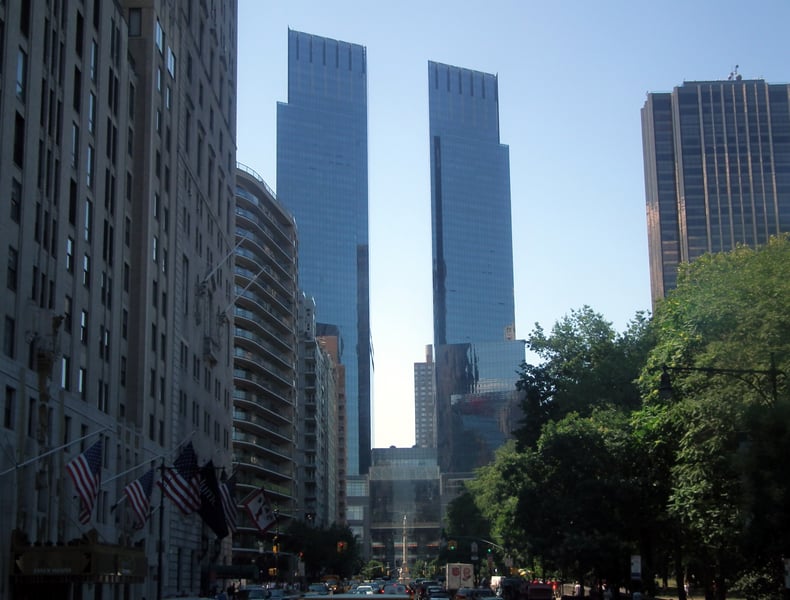
66 Residences · By Mandarin Oriental
 Completed
285 Residences · By Related Companies
 Completed
143 Residences · By Related Companies & Oxford Properties
 Completed
199 Residences · By Rudin Management and Global Holdings
 Completed
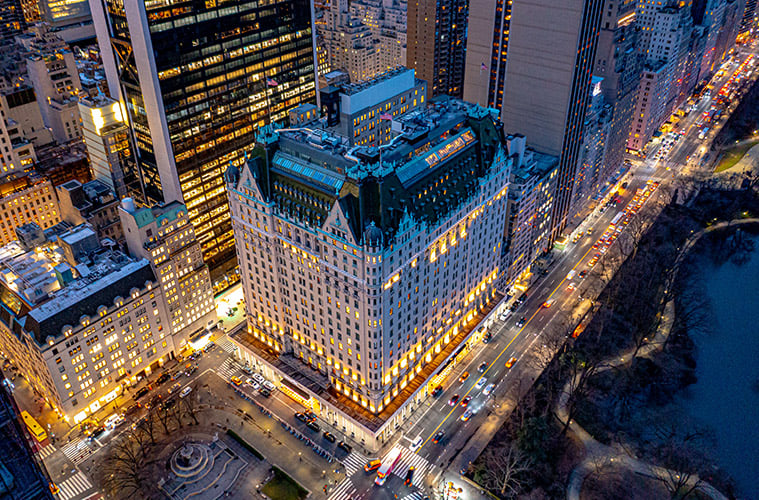
181 Residences · By El Ad Properties
 Completed
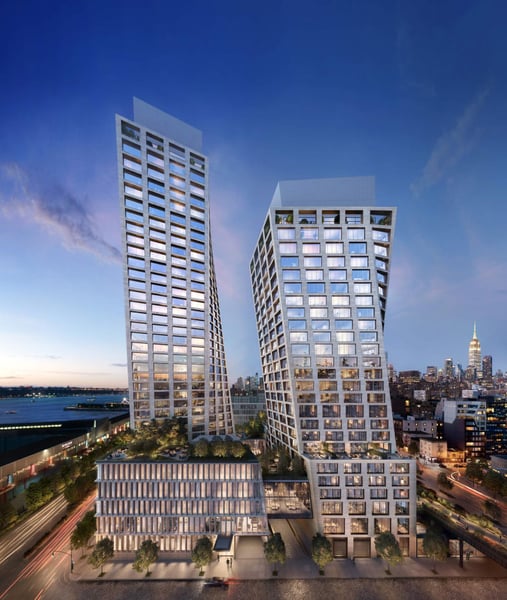
236 Residences · By Witkoff and Access Industries
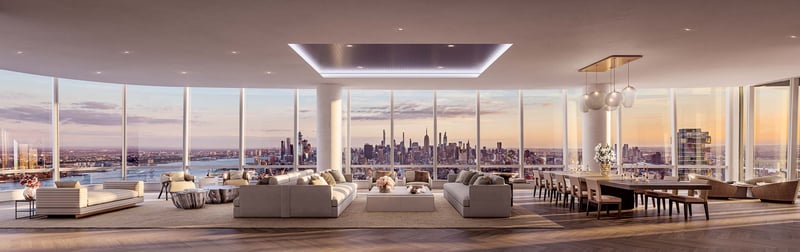 Completed
157 Residences · By Fisher Brothers and Witkoff Group
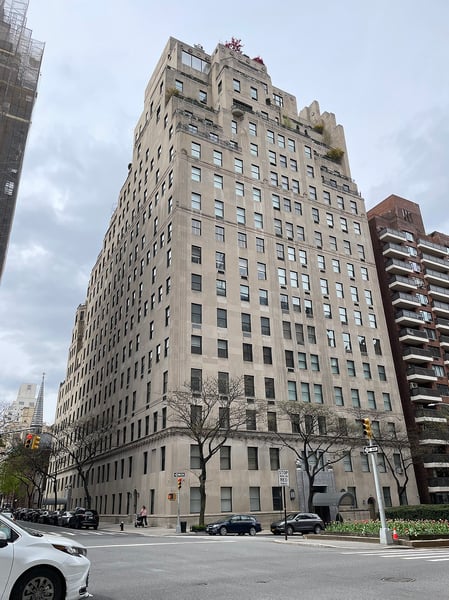 Completed
31 Residences · By James T. Lee and Jacqueline Bouvier's grandfather
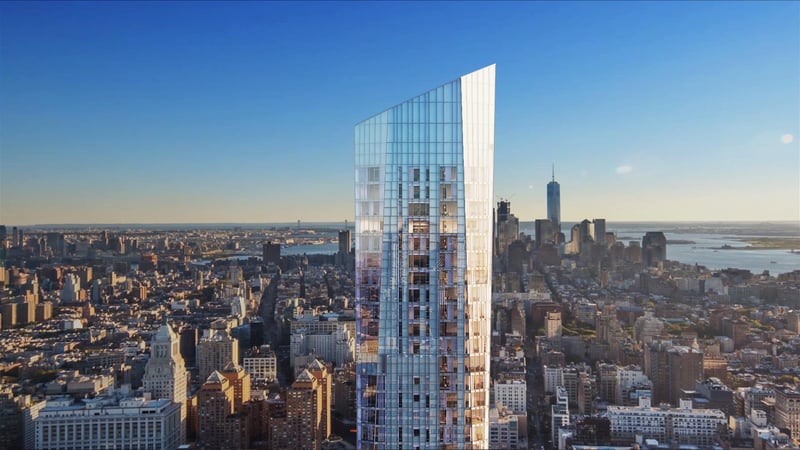 Completed
83 Residences · By KSK Construction Group
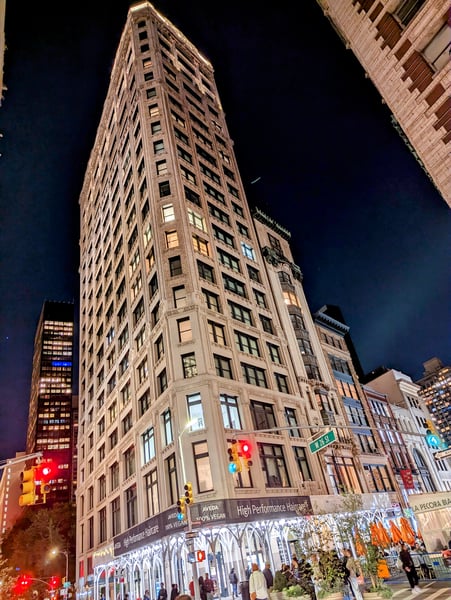 Completed
48 Residences · By Madison Equities and Thor Equities
 Completed
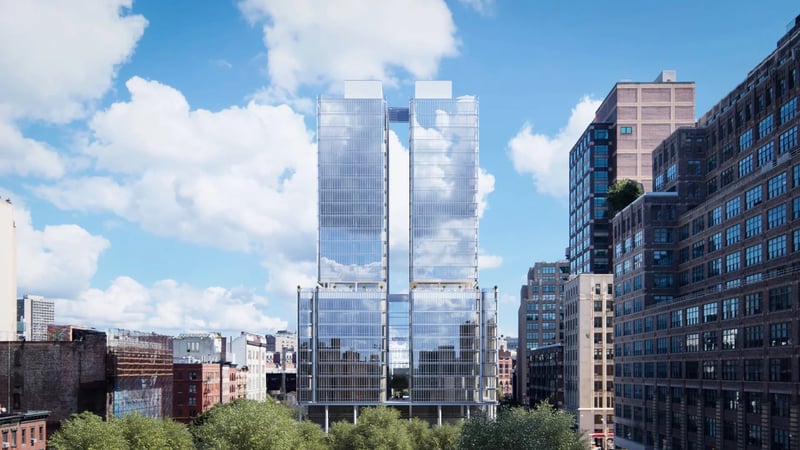
33 Residences · By Alchemy Properties
 Completed
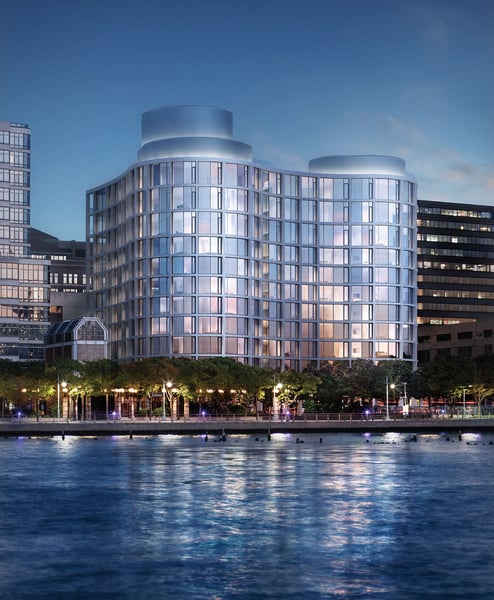
115 Residences · By Bizzi & Partners
 Completed
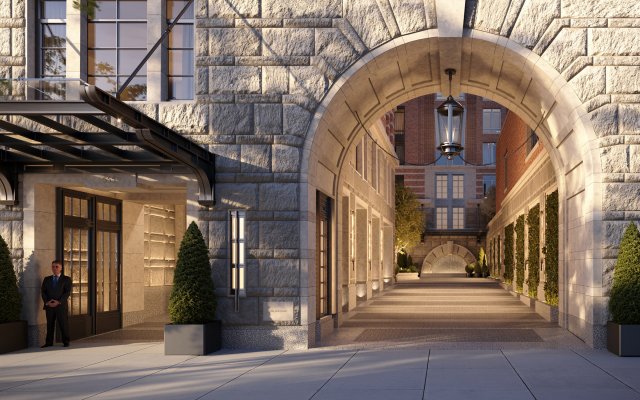
49 Residences · By Ian Schrager and Witkoff Group
 Completed
144 Residences · By Related Companies & Mitsui Fudosan America
Dates de livraison estimées des condominiums en pré-construction les plus attendus de Luxury Condos NYC
| Projet | Emplacement | Promoteur | Statut | Livraison estimée |
|---|---|---|---|---|
| 80 Clarkson | West Village | Zeckendorf Development and Atlas Capital Group | pre-construction | 2026 |
| 760 Madison | Upper East Side | SL Green Realty Corp. | pre-construction | 2025 |
| 1122 Madison Avenue | Upper East Side | Legion Investment Group and Nahla Capital | under-construction | 2027 |
| 140 Jane Street | West Village | Aurora Capital Associates | under-construction | 2026 |
| 255 East 77th Street | Upper East Side | Naftali Group | under-construction | 2026 |
| Mandarin Oriental Residences, Fifth Avenue | Midtown | Mandarin Oriental | under-construction | 2023 |
| Monogram New York | Midtown East | Navigation Capital Group | Completed | 2027 |
| 520 Fifth Avenue | Midtown | Rabina | Completed | 2026 |
| 50 West 66th Street | Upper West Side | Extell Development | Completed | 2026 |
| Waldorf Astoria Residences New York | Midtown East | Dajia Insurance Group | Completed | 2025 |
| Selene New York | Midtown East | Vanke US / RFR | Completed | 2025 |
| The Greenwich by Rafael Viñoly | Financial District | Bizzi & Partners | Completed | 2024 |
| 720 West End Avenue | Upper West Side | Glacier Equities & InterVest Capital Partners | Completed | 2024 |
| Sutton Tower | Sutton Place | Gamma Real Estate / JVP Management | Completed | 2023 |
| The Bellemont | Carnegie Hill | Naftali Group | Completed | 2023 |
| One Wall Street | Financial District | Macklowe Properties | Completed | 2023 |
| One High Line | Chelsea | Witkoff and Access Industries | Completed | 2023 |
| 995 Fifth Avenue | Upper East Side | 995 Fifth Avenue LLC | Completed | 2023 |
| The Ritz-Carlton Residences New York NoMad | NoMad | Flag Luxury Group and Bizzi & Partners | Completed | 2023 |
| Madison House | NoMad | Fosun Group & J.D. Carlisle | Completed | 2022 |
| 200 East 83rd Street | Upper East Side | Naftali Group & Rockefeller Group | Completed | 2022 |
| Aman New York | Midtown | OKO Group | Completed | 2022 |
| The Cortland | West Chelsea | Related Companies & Mitsui Fudosan America | Completed | 2022 |
| Lantern House | West Chelsea | Related Companies | Completed | 2021 |
| The West Residence Club | Hell's Kitchen | Gamma Real Estate | Completed | 2021 |
| Central Park Tower | Billionaires' Row | Extell Development Company | Completed | 2021 |
| 111 West 57th Street | Billionaires' Row | JDS Development Group | Completed | 2021 |
| 180 East 88th Street | Carnegie Hill | DDG | Completed | 2020 |
Les dates de livraison estimées sont approximatives et susceptibles d'évoluer. Contactez-nous pour les dernières actualités du projet.
Fort de plus de 20 ans d'expérience, notre cabinet est votre partenaire de confiance pour les opportunités en pré-construction les plus exclusives de Luxury Condos NYC.
Nos relations directes avec les promoteurs donnent à nos clients accès aux tarifs Friends & Family, au premier choix des biens et à des conditions exclusives non accessibles au public.
Plus de 20 ans d'expérience nous donnent une connaissance approfondie de chaque plan d'étage, de chaque axe de vue, de chaque niveau de prix et du parcours de chaque promoteur à Luxury Condos NYC.
De la première consultation jusqu'à la clôture, nous gérons chaque détail. Soumission des réservations, coordination avec les avocats, inspections et accompagnement au financement.
Manhattan demeure l'un des marchés immobiliers de luxe les plus profonds au monde, avec une procédure de plan d'offre supervisée par le Procureur général et une offre restreinte de programmes neufs d'exception.
Chaque vente de condominium à Manhattan se conclut dans le cadre d'un plan d'offre accepté par le Procureur général, ce qui garantit une procédure structurée de protection de l'acheteur et une fenêtre de revue par l'avocat de l'acheteur avant la signature du contrat.
Manhattan est l'un des principaux lieux de déploiement du capital mondial, avec une infrastructure bancaire, juridique et professionnelle de grande profondeur, et une clientèle UHNW multilingue venue d'Amérique du Nord, d'Europe, du Moyen-Orient et d'Asie.
Les condominiums d'exception de Manhattan bénéficient de l'un des marchés de revente de luxe les plus profonds au monde, ce qui soutient la liquidité à la sortie et offre un ensemble de comparables stable pour la valorisation. L'absorption immeuble par immeuble et l'historique du sponsor déterminent la performance de chaque actif.
De votre première consultation à la remise de vos clés, nous vous guidons à chaque étape.
Nous commençons par comprendre vos objectifs, votre calendrier, votre budget et vos priorités de vie. Que vous recherchiez une résidence principale, un bien d'investissement ou une résidence secondaire, nous adaptons nos recommandations à vos besoins.
Nous présentons une sélection d'options établie selon vos critères, organisons des présentations privées avec les promoteurs et sécurisons le bien de votre choix. Nos relations donnent souvent accès aux tarifs de pré-lancement et aux biens prioritaires.
Nous assurons la coordination avec votre avocat et l'équipe de vente du promoteur afin de finaliser le contrat d'acquisition. Les dépôts sont généralement échelonnés sur la période de construction, vos fonds bénéficiant de la protection d'un compte séquestre.
Nous vous tenons informé par des points d'avancement réguliers du chantier, coordonnons votre inspection avant livraison et vous accompagnons tout au long de la clôture. Bienvenue chez vous.
Les réponses d'experts aux questions les plus fréquentes sur l'achat de condominiums en pré-construction et en offre sponsor à Manhattan
La pré-construction désigne l'achat d'un condominium avant ou pendant la phase de construction, directement auprès du sponsor (l'entité de promotion qui a déposé le plan d'offre auprès du Procureur général de New York). Le neuf côté sponsor à Manhattan recouvre les condominiums construits de zéro, les conversions et les lots invendus dits « sponsor inventory » dans des immeubles achevés. L'acheteur réserve un lot, puis signe un contrat régi par le plan d'offre accepté par le Procureur général, dont le calendrier de dépôts et les conditions de closing sont définis dans ce plan. La pré-construction permet de figer le prix au stade du plan d'offre, de choisir en premier la vue, l'étage et l'exposition, et d'accéder à des concessions sur les frais de closing ou sur le prix au stade sponsor.
Les dépôts en pré-construction à Manhattan représentent généralement 10% à 20% du prix à la signature du contrat, le solde étant dû au closing. Certains immeubles prévoient des versements additionnels liés aux jalons du chantier. Le calendrier exact est défini dans le plan d'offre accepté par le Procureur général et revu par votre avocat avant la signature. Le dépôt de réservation initial pour bloquer un lot se situe généralement entre $50,000 et $250,000 et vient s'imputer sur le premier dépôt contractuel. Les dépôts sont conservés sur un compte séquestre (escrow) comme l'exige le plan d'offre.
Le bon projet en pré-construction ou en offre sponsor à Manhattan dépend de votre budget, de votre mode de vie et de votre horizon d'investissement. Les programmes neufs vendus directement par le sponsor comprennent 80 Clarkson (West Village), 255 East 77th (Upper East Side), 140 Jane (West Village), 1122 Madison (Carnegie Hill), Mandarin Oriental Fifth Avenue, entre autres. Parmi les immeubles achevés disposant encore d'une offre sponsor figurent Central Park Tower, 220 Central Park South, 53 West 53, 111 West 57th et 50 West 66th. Statut à vérifier au moment de la demande, les niveaux d'offre sponsor et les prix évoluent fréquemment.
La performance de la pré-construction à Manhattan varie sensiblement d'un immeuble à l'autre. La thèse d'investissement repose généralement sur le fait de figer le prix au stade du plan d'offre pour un bien livré dans 2 à 4 ans, avec un engagement de capital limité pendant la construction, et sur l'accès à l'offre sponsor au prix promoteur. La profondeur du marché de la revente à Manhattan, combinée à la procédure de plan d'offre supervisée par le Procureur général de New York, réduit en général le risque contractuel par rapport à des marchés moins régulés. Les risques comprennent l'historique du sponsor, l'évolution des coûts de construction, les délais d'amendement auprès du Procureur général, le rythme d'absorption, l'exposition aux limites de parcelle et aux couloirs de vue, ainsi que les évolutions du programme 421-a ou d'autres dispositifs d'abattement fiscal lorsqu'ils s'appliquent. Une diligence immeuble par immeuble est indispensable, l'appréciation historique d'un immeuble donné ne garantit en rien sa performance future.
La pré-construction (côté sponsor) et la revente présentent chacune des avantages distincts à Manhattan. La pré-construction offre des finitions et équipements neufs, une construction conforme aux normes actuelles, la possibilité de choisir l'étage, la vue et le plan, des garanties promoteur et l'accès aux concessions de prix du sponsor lorsqu'elles existent. La revente offre une occupation immédiate, la possibilité d'inspecter le lot, des règles de copropriété établies et un historique de charges communes, et parfois des prix plus négociables. Pour les investisseurs axés sur l'appréciation à long terme, le côté sponsor offre souvent un meilleur potentiel. Pour les acheteurs pressés ou qui veulent une certitude sur le produit fini, la revente peut être préférable.
Le contrat sponsor standard à Manhattan : 10% à la signature, solde dû au closing. Certains immeubles ajoutent un second versement de 10% à un jalon de chantier défini (souvent le gros œuvre achevé ou 50% d'avancement). La gestion des dépôts, les comptes séquestres et les obligations du sponsor sont régis par le plan d'offre et revus par votre avocat avant la signature du contrat.
Une résidence de marque est un condominium de luxe portant le nom, les standards de design et les niveaux de service d'une grande maison de l'hôtellerie, de la mode ou de l'art de vivre. Les résidences de marque de Manhattan comprennent les Waldorf Astoria Residences, Aman New York, Mandarin Oriental Fifth Avenue, Ritz-Carlton New York et Baccarat Residences, avec d'autres projets en développement. Les résidences de marque affichent généralement une prime de 25% à 35% par rapport aux biens comparables sans marque, mais conservent en règle générale mieux leur valeur à la revente et offrent des services et prestations au standard de la marque.
Les principaux risques comprennent les retards de chantier, l'évolution du marché pendant la construction, les délais d'amendement du plan d'offre auprès du Procureur général, les difficultés d'exécution du sponsor et les écarts entre le produit final et les images de synthèse. Les dépôts des acheteurs à New York sont conservés sur un compte séquestre selon les termes du plan d'offre accepté par le Procureur général, avec revue par l'avocat de l'acheteur avant signature. Pour limiter ces risques, examinez le parcours du sponsor, le prêteur du chantier, l'exposition aux limites de parcelle et aux couloirs de vue sur la parcelle concernée, les règles de la copropriété en matière de sous-location et de revente, ainsi que le statut du 421-a ou d'autres abattements fiscaux. Statut à vérifier au contrat pour chaque projet.
Les ressortissants étrangers peuvent acheter en pré-construction à Manhattan sans exigence de visa ni de résidence. Le dépôt contractuel de 10% à 20% et la procédure du plan d'offre accepté par le Procureur général s'appliquent de la même manière. Les acheteurs internationaux acquièrent souvent via une LLC pour des raisons de confidentialité et de planification successorale. Plusieurs banques américaines proposent des programmes hypothécaires pour non-résidents avec 30% à 50% d'apport. Un avocat basé aux États-Unis pour la revue du plan d'offre est indispensable. Manhattan Miami coordonne la title insurance, l'ouverture d'un compte bancaire américain et le processus de financement pour non-résidents dès la signature.
Les règles de location des condominiums de Manhattan sont fixées par la déclaration de chaque immeuble et par son conseil de copropriété, et elles varient sensiblement. La plupart autorisent la location par les propriétaires investisseurs, mais les durées minimales de bail (souvent 6 ou 12 mois), les exigences d'approbation du conseil et les règles de sous-location diffèrent d'un immeuble à l'autre. Les lots sponsor dans le neuf font généralement l'objet de moins de restrictions que les copropriétés anciennes. Examinez les dispositions locatives du plan d'offre et les règles de sous-location de la déclaration de copropriété avant de signer.
La « sponsor inventory » (offre sponsor) désigne les lots invendus encore détenus par le sponsor de l'immeuble (l'entité de promotion qui a déposé le plan d'offre). Les lots sponsor sont neufs, jamais habités, et peuvent s'accompagner de prix négociables, de crédits sur les frais de closing et de l'abattement fiscal de l'immeuble lorsqu'il existe. Les transactions côté sponsor suivent le plan d'offre, et non le contrat de revente standard.
Le bon moment dépend du stade du plan d'offre et du rythme de vente du sponsor. Les prix à la date d'entrée en vigueur du plan d'offre, ou peu après, offrent en général les meilleures conditions. À mesure que l'absorption avance, le sponsor dépose des amendements et les prix montent le plus souvent. Chaque situation d'acheteur est différente ; le bon point d'entrée dépend de l'immeuble concerné, de votre préparation financière et de votre horizon d'investissement.
Les quartiers actifs en pré-construction et en offre sponsor couvrent Tribeca, Hudson Yards, Greenwich Village, le West Village, l'Upper West Side, l'Upper East Side et le corridor de Billionaires’ Row le long de la 57e Rue. Chacun offre un niveau de prix, un parc immobilier et un profil d'investissement différents, des conversions confidentielles de downtown aux supertalls ultra-luxe de Midtown. Le meilleur choix dépend de vos priorités : densité de commodités accessibles à pied, couloirs de vue, âge du bâti, proximité de Central Park ou accès aux transports.
Cinq facteurs distinguent le plus souvent les programmes de Manhattan au stade de la diligence : l'historique du sponsor (projets livrés par le passé), les spécificités de l'emplacement et des couloirs de vue (exposition aux limites de parcelle, vue imprenable sur Central Park ou sur le fleuve), le prêteur du chantier et la structure capitalistique, le statut du plan d'offre auprès du Procureur général (dépôt initial, amendements, date d'entrée en vigueur), et les particularités du 421-a ou d'autres abattements fiscaux le cas échéant. Le prix seul est rarement décisif au niveau des biens d'exception de Manhattan. Manhattan Miami fournit une diligence comparative sur chaque programme actif.
Les frais de closing côté acheteur sur un condo neuf à Manhattan représentent généralement 2% à 4% du prix, selon que le lot est financé ou non. Les postes standards comprennent les taxes de mutation de NYC et de l'État de New York (souvent transférées à l'acheteur sur les ventes sponsor, à vérifier dans le plan d'offre), la mansion tax (1% au-delà de $1M avec des tranches progressives au-delà de $2M), la title insurance, les honoraires de l'avocat de l'acheteur, la taxe d'enregistrement hypothécaire en cas de financement, et le prorata des charges communes et des taxes foncières. Dans les transactions du neuf côté sponsor, le promoteur paie la commission de l'agent de l'acheteur : une représentation experte n'engendre donc aucun coût direct pour l'acheteur.
S'il est possible d'acheter en pré-construction à Manhattan directement auprès de la galerie de vente du sponsor, un agent d'acheteur expérimenté apporte des avantages substantiels. Pour le neuf côté sponsor, le promoteur paie la commission de l'agent de l'acheteur, sans coût additionnel pour ce dernier. Un spécialiste fournit une analyse comparative des projets concurrents de Manhattan, la diligence sur le plan d'offre en coordination avec votre avocat, une connaissance fine des prix pratiqués par les sponsors, le suivi de l'avancement du chantier et la coordination du closing, ainsi qu'un levier de négociation sur les améliorations, l'attribution des lots premium et des conditions de dépôt favorables.
Un projet type en pré-construction à Manhattan prend 2 à 5 ans entre la date d'entrée en vigueur du plan d'offre et le closing, selon qu'il s'agit d'une construction neuve ou d'une conversion, selon l'échelle de l'immeuble et l'environnement des coûts de construction. Les supertalls construits de zéro se situent dans le haut de la fourchette ; les conversions confidentielles de downtown peuvent livrer plus vite. L'offre sponsor dans les immeubles achevés se conclut selon le calendrier standard d'un contrat de revente ou d'un contrat sponsor (60 à 120 jours après le contrat).
Les protections des acheteurs new-yorkais dans les transactions en pré-construction reposent sur le plan d'offre accepté par le Procureur général. Les dépôts sont conservés sur un compte séquestre selon les termes du plan, et les obligations du sponsor sont exécutoires dans le cadre de la procédure du plan d'offre. Si un sponsor ne livre pas, la restitution des dépôts suit le plan d'offre et le droit new-yorkais applicable. La solidité financière du sponsor, le prêteur du chantier et la faisabilité du projet doivent faire l'objet d'une diligence avant la signature du contrat.
La cession de contrat avant le closing est parfois autorisée dans les contrats sponsor de Manhattan, mais les règles varient sensiblement selon le sponsor et le plan d'offre. Certains sponsors interdisent toute cession ; d'autres l'autorisent après un jalon de chantier précis ou moyennant des frais (souvent 1% à 5% du prix). Examinez la clause de cession du plan d'offre avant de fonder une stratégie d'investissement sur la possibilité de céder.
Le processus de réservation en pré-construction à Manhattan commence par le choix de votre lot préféré, étage, ligne, exposition, parmi les disponibilités du sponsor. Vous soumettez un formulaire de réservation accompagné d'un dépôt de réservation remboursable (généralement $50,000 à $250,000), qui bloque le lot en attendant l'émission du contrat. L'avocat du sponsor émet un contrat régi par le plan d'offre, que vous examinez avec votre propre avocat. Une fois le contrat signé, votre dépôt de réservation s'impute sur le dépôt contractuel. Le passage de la réservation au contrat prend généralement 2 à 6 semaines.
Les condos de Manhattan emploient le terme « common charges » (charges communes), et non frais de HOA. Les charges communes financent l'exploitation de l'immeuble, le personnel, les prestations et les réserves. Les taxes foncières sont facturées séparément par la ville de New York et peuvent être partiellement réduites par le 421-a ou d'autres programmes d'abattement sur certains immeubles. Les coûts de détention varient fortement : les immeubles d'exception de Billionaires’ Row se situent couramment entre $6 et $10 par pied carré de charges communes et $3 à $8 par pied carré de taxes, tandis que les immeubles de downtown bénéficiant d'un abattement sont sensiblement moins coûteux. Statut vérifié immeuble par immeuble.
Le financement de la pré-construction à Manhattan sort du calendrier hypothécaire d'un achat classique. Pendant la construction, l'acheteur finance les dépôts sur ses fonds propres. Le prêt hypothécaire s'organise à l'approche du closing, lorsque le solde devient exigible. La plupart des acheteurs engagent le processus de financement 6 à 12 mois avant la livraison estimée. Les citoyens et résidents américains ont accès aux prêts jumbo classiques. Les non-résidents accèdent à des programmes spécialisés (souvent 30% à 50% d'apport).
Les acheteurs de condos à Manhattan doivent évaluer trois dimensions fiscales : (1) au fil de l'eau, les charges communes mensuelles et les taxes foncières de NYC et de l'État de New York, avec une réduction possible au titre du 421-a ou d'autres programmes d'abattement sur certains immeubles ; (2) une fois au closing, les taxes de mutation de NYC et de l'État (souvent prises en charge par l'acheteur sur les ventes sponsor), la mansion tax (1% au-delà de $1M avec des tranches progressives au-delà de $2M pour les acheteurs), la title insurance, les honoraires de l'avocat de l'acheteur et la taxe d'enregistrement hypothécaire en cas de financement ; (3) la structuration patrimoniale, l'impôt fédéral sur les successions et les donations, ainsi que l'impôt successoral de l'État de New York. Le statut d'abattement est propre à chaque immeuble et doit être vérifié dans le plan d'offre et le certificat fiscal le plus récent.
Oui. La pratique standard à Manhattan veut que l'acheteur mandate un avocat immobilier pour examiner le contrat d'achat du sponsor, le plan d'offre et les documents de la copropriété avant la signature. Les honoraires d'avocat pour un achat dans le neuf se situent généralement entre $2,000 et $7,500 selon la complexité de la transaction.
Pour les achats dans le neuf à Manhattan, nos services sont sans coût pour l'acheteur. En tant que professionnels de l'immobilier agréés, nous sommes rémunérés par le sponsor via une commission de co-courtage divulguée dans le plan d'offre et le mandat de vente. Vous payez le même prix, que vous achetiez directement auprès du sponsor ou par notre intermédiaire, en bénéficiant de notre expertise, de nos relations avec les sponsors, de la coordination de la revue du contrat et d'un accompagnement complet tout au long de la transaction.
Que vous recherchiez votre première résidence à Manhattan ou que vous étoffiez votre patrimoine immobilier de prestige, nos spécialistes vous offrent un conseil expert sur les prix, les tendances du marché et l'ensemble du processus d'acquisition d'un appartement à NYC.
New York & Miami
Agréés dans l'État de New York & en Floride
Recevez des recommandations de projets personnalisées, les prix et les disponibilités.
By submitting this form, you may be contacted by Manhattan Miami Real Estate LLC about your inquiry. View our Privacy Policy.
Vos informations demeurent strictement confidentielles. Un spécialiste vous contactera sous 24 heures.
Contexte de marché : Les prix des condominiums de luxe à Manhattan sont segmentés par sous-marché. Le corridor de Billionaires’ Row (57th Street, entre Park Avenue et Columbus Circle) affiche le prix au pied carré le plus élevé des États-Unis, les résidences d'exception s'y négociant entre $4,000 et $10,000+ par SF. Le sud de Manhattan (Tribeca, West Village, Soho) possède son propre segment ultra-luxe, porté par la rareté de l'offre de programmes neufs. Les médianes des condos de l'Upper East Side et de l'Upper West Side se situent nettement en dessous des niveaux d'exception du sud de l'île, mais offrent des plateaux plus vastes et l'accès à Central Park. Les prix à Manhattan restent sensibles aux taux d'intérêt, aux tranches de la Mansion Tax et au stade du plan d'offre de chaque immeuble.
Éclairage sur les acteurs : Les programmes neufs vendus directement par le sponsor en 2026 comprennent 80 Clarkson (West Village), 255 East 77th (Upper East Side), 140 Jane (West Village), 1122 Madison (Carnegie Hill) et Mandarin Oriental Fifth Avenue. Parmi les immeubles achevés conservant une offre sponsor figurent Central Park Tower, 220 Central Park South, 53 West 53, 111 West 57th et 50 West 66th. Chacun présente un historique de sponsor, un prêteur de construction, un rythme d'amendements du plan d'offre et un statut 421-a ou autre abattement fiscal qui lui sont propres et doivent faire l'objet d'une diligence individuelle.
Signal pour l'acheteur : Les atouts structurels de Manhattan comprennent la procédure de plan d'offre supervisée par le Procureur général de New York (une protection procédurale de l'acheteur absente des marchés moins régulés), la profondeur du marché de la revente (forte liquidité à la sortie) et une offre restreinte à court terme (capacité de zonage limitée dans les sous-marchés centraux). Risques à évaluer au contrat : la progressivité des tranches de la Mansion Tax au-delà de $2M, la prise en charge des taxes de mutation par l'acheteur sur les ventes sponsor, l'exposition aux limites de parcelle et aux couloirs de vue de certains terrains, les règles de sous-location et de revente du conseil de copropriété, et le calendrier d'extinction du 421-a lorsqu'il s'applique. Le statut de tout projet, le niveau d'offre sponsor, les amendements du plan d'offre auprès du Procureur général, les prix ou le pourcentage de ventes doivent être vérifiés au moment de la demande.
Procédure des ventes sponsor à Manhattan : formulaire de réservation → remise du plan d'offre → revue par l'avocat d'acheteur → signature du contrat et dépôt initial → accord de prêt (en cas de financement) → closing à la livraison. Les procédures de l'offre sponsor et de la revente diffèrent ; une préparation conseillée en amont des visites est recommandée.
Le plan d'offre est le document juridique déposé auprès du Procureur général de New York qui régit la vente de chaque condominium de Manhattan. Il définit le traitement des dépôts, les spécifications des lots, les charges communes, les taxes foncières, les obligations du sponsor et les protections de l'acheteur. Aucune vente de condo à Manhattan ne se conclut hors du cadre d'un plan d'offre accepté ; des amendements sont déposés périodiquement et examinés par les avocats des acheteurs au contrat.
L'offre sponsor désigne les lots invendus encore détenus par le promoteur de l'immeuble (le « sponsor »). Les lots sponsor sont neufs, jamais habités, et peuvent s'accompagner de prix négociables, de crédits sur les frais de closing et de l'accès aux programmes d'abattement fiscal lorsque l'immeuble en bénéficie. Les transactions côté sponsor suivent le plan d'offre, et non le contrat de revente standard.
Le 421-a est l'abattement le plus courant pour les condos de Manhattan : il réduit l'exposition aux taxes foncières pendant 10 à 25 ans sur les programmes neufs éligibles. Le J-51 s'applique à certains immeubles réhabilités. Chaque abattement a un calendrier d'extinction et un statut d'éligibilité propre à l'immeuble, à vérifier dans le plan d'offre et le certificat fiscal le plus récent.
Les frais de closing côté acheteur représentent typiquement 2% à 4% du prix, comprenant les taxes de mutation NYC et NYS (souvent assumées par l'acheteur sur les ventes sponsor), la Mansion Tax (1% au-delà de $1M avec des tranches progressives au-delà de $2M), la title insurance, les honoraires de l'avocat d'acheteur, la Mortgage Recording Tax en cas de financement, ainsi que les charges communes et taxes foncières au prorata.
Non. Les condos de Manhattan emploient le terme « common charges » (charges communes), et non frais HOA. Les charges communes financent le fonctionnement de l'immeuble, le personnel, les équipements et les réserves. Les taxes foncières sont facturées séparément par la ville de New York et ne font pas partie des charges communes.
Sur les achats de programmes neufs côté sponsor, c'est le promoteur qui paie la commission d'agent d'acheteur de Manhattan Miami. La représentation de l'acheteur ne lui coûte rien de sa poche. Sur les transactions de revente, les modalités de commission sont communiquées dès l'engagement.
Cette page couvre le marché des condominiums de luxe à New York, organisé par quartier, type d'immeuble et segment de prix. Elle recense l'offre de condominiums à Manhattan destinée aux acquéreurs fortunés.
Les descriptions par immeuble reflètent des caractéristiques connues du domaine public ; les prix varient selon l'unité, la vue, l'exposition et le calendrier. Les offres en pré-construction sont soumises à des dépôts échelonnés et à des délais de livraison susceptibles d'évoluer après publication.
Manhattan Miami conseille les acquéreurs à New York et dans le sud de la Floride, avec une vision transversale des deux marchés de condominiums de luxe.
Les condominiums de luxe à Manhattan s'inscrivent dans un marché plus vaste. Voir tout : Appartements à Manhattan à vendre.
Compilé par Manhattan Miami · Données 2026
| Sous-marché | PSF médian | Immeubles de référence | Fourchette active |
|---|---|---|---|
| Tribeca prime | $3,500-$6,500 | 56 Leonard, 70 Vestry, 443 Greenwich | $5M-$60M |
| Billionaires Row / 57th St | $4,500-$7,500 | Central Park Tower, 220 CPS, 432 Park, 111 West 57th, One57 | $8M-$250M+ |
| Central Park West | $3,500-$6,500 | 15 CPW, 50 W 66th, 25 Columbus Circle | $10M-$130M |
| Hudson Yards | $2,500-$3,800 | 35 Hudson Yards, 15 Hudson Yards, Lantern House | $3M-$60M |
| West Chelsea | $2,500-$3,800 | One High Line, The Cortland, 520 W 28th | $2.75M-$45M |
| Upper East Side | $2,800-$4,500 | 520 Park, 740 Park (co-op), 200 E 83rd, 760 Madison | $5M-$130M |
| SoHo / NoHo / Bond / Bleecker | $2,500-$4,000 | 40 Bleecker, 25 Bond, 565 Broome, 36 Bleecker | $3M-$25M |
| FiDi / South Street Seaport | $1,800-$2,800 | One Wall Street, 125 Greenwich | $1.5M-$15M |
| Murray Hill / Gramercy / NoMad | $1,800-$2,500 | 212 Fifth Ave, Madison Square Park Tower, 277 Fifth | $2M-$20M |
| Upper West Side | $2,200-$3,200 | The Apthorp, The Belnord, 200 Amsterdam, 50 W 66th | $2.5M-$30M |
Lorsque vous êtes prêt
Manhattan Miami conseille acquéreurs et vendeurs sur les deux marchés. Nous commençons par cerner vos objectifs, puis nous sélectionnons les immeubles, les quartiers et le calendrier appropriés.
Engager la conversationLe marché des condominiums de luxe à Manhattan s'étend d'environ $3M à plus de $250M, avec la plus forte concentration d'offre dans Tribeca, West Village, Upper East Side, Upper West Side et le corridor de Billionaires' Row. Les condominiums dominent l'offre en nouvelles constructions et offrent aux acquéreurs étrangers la souplesse de la détention via LLC et du pied-à-terre, indisponible dans la plupart des co-ops.
Pour l'inventaire actif, consultez : Appartements à Manhattan à vendre and Appartements à Miami à vendre.
Voir l'intégralité : Pipeline des nouvelles constructions à NYC en 2026 pour les calendriers de livraison des projets promoteurs en cours.
Autres questions fréquentes des acquéreurs
Sur l'inventaire de condominiums de luxe bien situés à Manhattan, le PSF demandé s'inscrit généralement dans une fourchette large, en haut des quatre chiffres pour les bonnes reventes dans les quartiers prime, jusqu'au bas ou milieu des cinq chiffres pour les étages trophy et les résidences de marque. Le PSF final transacté reflète l'étage, l'exposition, les équipements de l'immeuble et la dynamique promoteur/revente ; une analyse tarifaire en temps réel conduite par un conseiller est donc plus fiable qu'un indicateur de référence unique.
Les condominiums de luxe à Manhattan ont historiquement enregistré des volumes de transaction supérieurs à la plupart des métropoles mondiales comparables dans la même fourchette de prix, avec un large vivier d'acquéreurs institutionnels et internationaux et des mécanismes de clôture standardisés. La rotation des stocks varie selon le quartier et le segment de prix, et la durée de commercialisation s'allonge généralement au-dessus de $10M, où le pool d'acquéreurs qualifiés se resserre.
Un condo est un bien immobilier réel avec acte de propriété et approbation du conseil de copropriété, généralement moins contraignant sur le plan financier et plus souple pour la location et les acquéreurs étrangers. Un co-op représente des parts dans une société avec bail propriétaire, entretien devant le conseil, des exigences souvent plus lourdes en matière de ratio dette/revenu et de liquidité post-acquisition, ainsi que des règles plus strictes sur les locations et l'usage en pied-à-terre. Un condop est un immeuble structuré comme une société co-op mais fonctionnant comme un condo pour les règles d'approbation et de sous-location, des parts plutôt que de l'immobilier réel, mais généralement sans les restrictions les plus sévères du co-op.