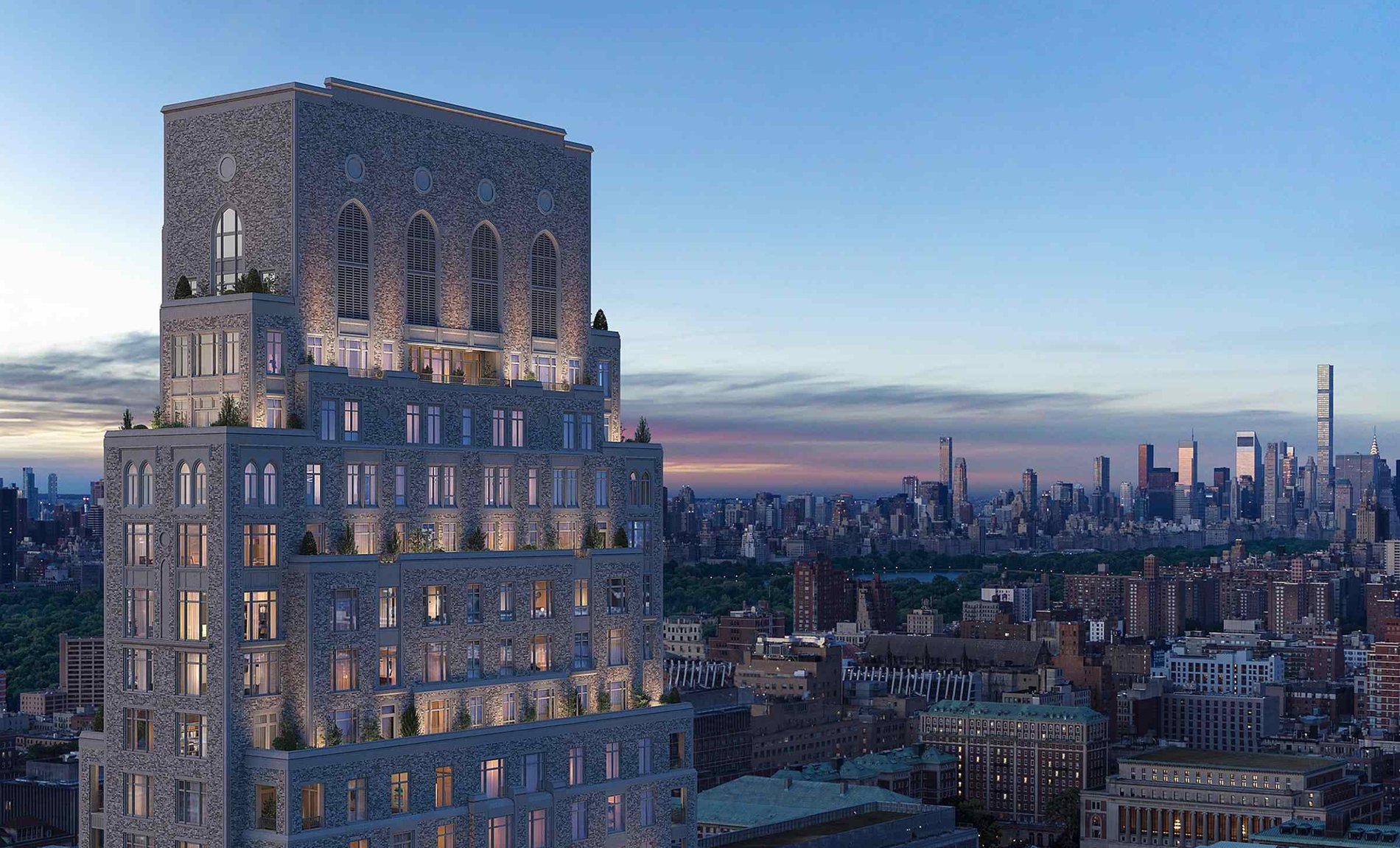
Miami Pre-Construction Condos & New Developments
Exclusive access to Miami's most coveted luxury developments, from reservation to closing
Explore Miami Luxury Condo Buildings
Browse 24 established luxury condominium buildings across Miami's most sought-after waterfront neighborhoods.


Missoni Baia
View building
Una Residences
View building
One Thousand Museum
View building
Ritz Carlton Residences Miami Beach
View building
Elysee Miami
View building
Brickell Flatiron
View building
Palazzo Della Luna
View building
Aston Martin Residences
View building
Monad Terrace
View building
Four Seasons Surfside
View building
Arbor Coconut Grove
View building
Park Grove
View building
Fendi Chateau
View building
Oceana Bal Harbour
View building
Murano at Portofino
View building
Miami Beach Edition Residences
View building
Il Villaggio
View building
Grove at Grande Bay
View building
Continuum II North Tower
View building
Continuum South Beach
View building
St. Regis Bal Harbour
View building
W Hotel and Residences South Beach
View building
Setai Miami Beach
View buildingHow to Choose a Miami Luxury Condo Building
There is no single best luxury condo in Miami. The right building depends on how you intend to use the residence, which view corridors matter to you, the level of service and privacy you expect, and how much ownership flexibility you need. A buyer seeking a full-service oceanfront second home will evaluate buildings differently from someone who wants a primary residence near Brickell offices or a bayfront home with larger interiors in Edgewater.
In Miami, the phrase luxury apartment is often used broadly, but most residences available for individual purchase are condominiums. This guide focuses on luxury condos for sale in established buildings. Purpose-built rental apartments and short-term condo-hotels have different ownership, financing, and operating considerations.
- Location and water orientation: Compare direct oceanfront, Biscayne Bay, Miami River, marina, and city exposures. The permanence of the view can matter as much as the view itself.
- Privacy: Review the number of residences per floor, private-elevator access, lobby traffic, hotel components, and whether amenities are shared with guests.
- Service model: Some buyers value resort-style staffing, restaurants, beach service, spas, and residential concierges. Others prefer a quieter condominium with fewer services and lower operating complexity.
- Ownership rules: Rental minimums, approval procedures, pet policies, renovation rules, financing requirements, and guest restrictions vary by association.
- Building finances: Current common charges are only one part of ownership cost. Reserves, insurance, planned capital work, litigation, and special assessments require equal attention.
Miami Luxury Condo Market: What Buyers Should Know
Miami's luxury condo market is not one uniform price tier. Building age, neighborhood, water frontage, unit scale, view, service level, and brand can produce large differences between residences with similar bedroom counts. A renovated home in a proven oceanfront building may compete with a new branded residence, while a boutique building with fewer units can command a premium for privacy even without a hotel flag.
2026 market context: MIAMI REALTORS reported that the South Florida luxury-condominium threshold reached $2.3 million in the first half of 2026, while its ultra-luxury threshold reached $6 million. The reported ultra-luxury threshold for Miami-Dade County was $10 million.
Cash remains important at the upper end of the market. MIAMI REALTORS reported that 82% of Miami condominium sales at $1 million and above were cash purchases in 2025. That does not eliminate financing opportunities, but it can affect negotiating strategy, appraisal risk, and the speed at which well-positioned units trade.
Miami Luxury Condo Neighborhoods Compared
Miami Beach and South of Fifth
Miami Beach is the clearest choice for buyers who prioritize the ocean, beach access, and a resort-oriented lifestyle. South of Fifth combines walkability, restaurants, marina access, and a more residential setting at the southern end of the island. Buildings such as Continuum South Beach, Murano at Portofino, and Il Villaggio offer different balances of ocean exposure, bay views, privacy, and proximity to activity. Buyers should compare traffic patterns, beach service, hotel components, and the likelihood that nearby development could alter a view.
Surfside and Bal Harbour
Surfside and Bal Harbour generally appeal to buyers who want a quieter oceanfront environment with immediate access to Bal Harbour Shops, houses of worship, and a compact residential community. Four Seasons Residences at The Surf Club, Fendi Chateau, Oceana Bal Harbour, and St. Regis Bal Harbour range from boutique privacy to full hospitality service. Compare the residential-to-hotel mix, beach frontage, unit count, and association structure rather than relying on brand recognition alone.
Brickell and Downtown Miami
Brickell and Downtown suit buyers who want an urban, high-rise lifestyle near offices, restaurants, cultural venues, and waterfront parks. Brickell Flatiron offers a central Brickell location, while Una Residences occupies a quieter waterfront position in South Brickell. Downtown architectural statements such as One Thousand Museum and Aston Martin Residences provide another option for buyers seeking large-scale amenities and skyline or bay views. Evaluate construction around the property, valet dependence, traffic, and the difference between a true waterfront site and a water view across future development parcels.
Edgewater
Edgewater runs along Biscayne Bay between Downtown and the Design District. It often attracts buyers who want direct bay views, newer construction, and convenient access to Wynwood, Miami Beach, and the urban core without living in central Brickell. Missoni Baia offers an extensive amenity program, while Elysee Miami has a more limited unit count and a private residential character. The principal comparisons are unit width, east-facing exposure, balcony depth, park access, and how surrounding parcels may develop.
Coconut Grove
Coconut Grove offers a greener and less formal version of waterfront Miami. The neighborhood combines marinas, parks, schools, restaurants, and a village center with access to Brickell and Coral Gables. Park Grove and Grove at Grand Bay serve buyers seeking full-service high-rise living, while Arbor Coconut Grove offers a lower-scale alternative. Buyers should compare walking distance to the village, water orientation, unit size, and whether they prefer a large amenity campus or a more residential building.
Fisher Island
Fisher Island is a distinct market defined by controlled access, ferry or private-vessel arrival, club amenities, and separation from the mainland. Palazzo Della Luna represents the island's newer generation of residences. A Fisher Island purchase requires analysis beyond the condominium itself: club arrangements, transportation logistics, membership costs, service expectations, and the practical needs of family members, staff, and guests all influence whether the island fits a buyer's routine.
Established Condo or Miami Pre-Construction?
An established building gives a buyer something tangible to evaluate: the exact view, finished common areas, operating history, association records, resale activity, and current resident experience. Closing can generally occur on a conventional resale schedule, subject to financing and association approval. The trade-off is that the best lines may have limited inventory, and renovations can add time and cost.
Pre-construction offers access to new design, contemporary building systems, and early unit selection, but buyers must assess developer execution, deposit schedules, contract terms, delivery timing, and how the surrounding market may change before completion. We keep those projects in a separate guide so this directory does not blur delivered inventory with future product. See Miami pre-construction condos and new developments.
Condo Due Diligence Beyond the Residence
The physical apartment is only one part of a condominium acquisition. Before a buyer commits, the building and association need their own review. Attorneys, inspectors, lenders, insurance professionals, and financial advisers should be involved where appropriate.
- Association finances: Review budgets, reserves, recent financial statements, owner delinquencies, pending assessments, and planned capital projects.
- Inspections and reserves: Determine whether the building is subject to Florida milestone-inspection and Structural Integrity Reserve Study requirements, then review available reports and the association's funding response. Under Florida law, many residential condominium buildings of three or more habitable stories require a milestone inspection when the building reaches 30 years of age and every 10 years thereafter.
- Insurance: Understand the association's master policy, deductibles, exclusions, flood-zone considerations, and the coverage required for the individual unit.
- Rules: Confirm leasing frequency, minimum lease terms, approval rights, pet restrictions, renovation windows, contractor requirements, vehicle rules, and policies governing trusts or entities.
- Litigation and construction: Review active claims, construction-defect matters, disputes, and nearby development that could affect access, noise, or views.
- Total carrying cost: Model common charges, property taxes, insurance, club or hotel-related fees, parking, storage, assessments, and expected renovation costs rather than comparing HOA figures in isolation.
Read Florida's milestone-inspection statute. Legal requirements and association records should be verified for the specific building at the time of purchase.
Branded Residences Versus Independent Condominiums
A hospitality, fashion, or automotive name can influence design, staffing, service standards, and resale perception, but the brand alone does not determine quality. Buyers should identify who actually operates the residence, how long the management agreement runs, which services are included, which are charged separately, and whether residents share facilities with hotel guests.
Independent condominiums can offer equal or greater privacy, larger residences, and more owner control. Their value depends heavily on architecture, location, management, association governance, and the consistency of maintenance over time. The useful comparison is not branded versus unbranded in the abstract; it is the total ownership experience and cost of two specific buildings.
Miami Luxury Condo Questions
What is considered a luxury condo in Miami?
Price is only one measure. A luxury condo generally combines a prime location, strong architecture, high-quality interiors, privacy, service, amenities, and a view or waterfront position that is difficult to reproduce. The threshold changes by neighborhood and market cycle.
Which Miami neighborhood is best for a luxury condo?
Miami Beach and Surfside suit ocean-focused buyers; Brickell and Downtown favor an urban lifestyle; Edgewater offers bayfront high-rise living; Coconut Grove is greener and more residential; Fisher Island prioritizes privacy and controlled access. The best choice depends on daily routine, not simply prestige.
How much are HOA fees in Miami luxury buildings?
Fees vary widely based on unit size, staffing, insurance, amenities, reserves, hotel services, and the building's age. Compare what the fee includes and review the full association budget. A lower monthly number is not necessarily better if reserves are inadequate or major work is approaching.
Can a Miami luxury condo be rented?
Often, but every condominium has its own rules. Buildings may limit lease frequency, impose minimum terms, require tenant approval, or prohibit short-term rentals. Verify the declaration, current rules, municipal requirements, and lender restrictions before relying on rental income.
Is a branded residence worth the premium?
It can be for buyers who value a particular service standard, design identity, or global brand, but premiums should be tested against comparable independent buildings. Review ongoing fees, management terms, shared hotel facilities, and resale evidence rather than buying the name alone.
How should buyers compare two condo buildings?
Use the same framework for both: location, view protection, residence layout, privacy, service, association finances, insurance, inspections, rules, planned work, recent comparable sales, and total carrying cost. Then compare the best available units, because quality can vary substantially by line and floor within one building.
Build a Focused Miami Condo Shortlist
Tell us your preferred neighborhoods, budget, timing, residence size, and service expectations. We will narrow the market to buildings and available units that fit those priorities.
Request a Building ShortlistMiami Pre-Construction Luxury Condos & Branded Residences
The most prestigious new developments in Miami, curated by Manhattan Miami
Featuring new developments with delivery dates from 2024 onward
No projects found
We're currently curating new developments in Miami. Contact us for the latest updates.
Contact UsMiami New Development Completion Timeline
Our team tracks delivery schedules across all Miami pre-construction developments. Contact us for the latest completion dates, construction updates, and project milestones.
Miami Delivery Wave Analysis
Miami's luxury pipeline spans $10B+ in branded and ultra-luxury developments across five distinct delivery waves, timed to meet surging demand from the Wall Street South migration.
Beachfront & Boutique Deliveries
The first wave includes Aria Reserve in Edgewater, Five Park Miami Beach, and boutique projects on Fisher Island, Bal Harbour, and Surfside. These are lower-density, scarcity-driven markets with limited inventory and strong resale resilience.
Brickell's Landmark Year
2028 marks a defining moment for Brickell as world-class brands arrive in force: Baccarat, St. Regis, Waldorf Astoria, Cipriani, Mercedes-Benz, and Four Seasons. This wave coincides with Citadel's $2.5B global headquarters and a surge of major financial firms establishing Brickell operations, creating unprecedented demand for ultra-luxury living.
Next-Wave Opportunities
888 Brickell by Dolce & Gabbana, Faena Miami, Mandarin Oriental Brickell Key, and Delano Residences represent the next generation of Miami luxury. With earlier entry pricing and longer development timelines, these projects are positioned to benefit as Brickell's transformation as a global financial hub accelerates.
Why Brickell, Why Now: The convergence of six branded towers with the largest corporate migration in Miami's history, led by Citadel, Goldman Sachs, Blackstone, and top-tier law firms, is reshaping Brickell into a global financial district. Fisher Island and Bal Harbour remain ultra-exclusive scarcity markets. For a deeper look at the forces driving this transformation, read our Wall Street South market guide.
Why Manhattan Miami
With 20+ years of experience, we are your trusted partner for Miami's most exclusive pre-construction opportunities.
Exclusive Access
Direct developer relationships give our clients access to Friends & Family pricing, first pick of inventory, and exclusive incentives not available to the public.
Expert Guidance
With 20+ years of experience, we bring deep knowledge of every floor plan, view line, price point, and developer track record in Miami.
White-Glove Service
From initial consultation through closing, we handle every detail. Reservation submissions, attorney coordination, inspections, and financing guidance.
Why Invest in Miami Pre-Construction
Miami is experiencing unprecedented growth, making pre-construction one of the smartest real estate strategies in the country.
No State Income Tax
Florida has no state income tax, no estate tax, and no inheritance tax. For high-net-worth individuals relocating from states like New York or California, the tax savings alone can be substantial.
Global Gateway
Miami is attracting record corporate relocations, international investment, and population growth. Tech, finance, and crypto companies continue to establish headquarters here.
Record Appreciation
South Florida luxury real estate has seen consistent year-over-year appreciation, with pre-construction buyers often realizing 20-40% gains from reservation to closing.
How to Buy Pre-Construction in Miami
From your first consultation to receiving your keys, we guide you through every step.
Consultation & Discovery
We start by understanding your goals, timeline, budget, and lifestyle priorities. Whether you are seeking a primary residence, investment property, or vacation home, we tailor our recommendations to your needs.
Project Selection & Reservation
We present curated options based on your criteria, arrange private presentations with developers, and secure your preferred unit. Our relationships often provide access to pre-launch pricing and priority inventory.
Contract & Deposit Schedule
We coordinate with your attorney and the developer's sales team to finalize the purchase agreement. Deposits are typically structured over the construction period, with escrow protection for your funds.
Construction Updates & Closing
We keep you informed with regular construction progress updates, coordinate your pre-delivery inspection, and guide you through the closing process. Welcome home.
Miami Pre-Construction FAQ
Expert answers to the most common questions about buying pre-construction condos in Miami
What is pre-construction in Miami?
Pre-construction refers to purchasing a condo unit before or during the building phase, typically at prices below what the finished product will command on the open market. In Miami, developers release units in phases, starting with Friends & Family pricing, then moving to broker pricing, and finally public launch pricing. Buyers secure a unit with a reservation deposit (usually $50,000 to $100,000), then follow a structured deposit schedule during construction. This allows buyers to lock in today's pricing on a property that may not deliver for 3 to 5 years, often resulting in significant equity at closing.
How much deposit is needed for a Miami pre-construction condo?
Most Miami pre-construction condos require a total deposit of 20% to 50% of the purchase price, paid in stages over the construction period. A typical deposit schedule might include 10% at contract signing, 10% at groundbreaking, 10% at the halfway point of construction, and 10% at the top-off. The initial reservation deposit to hold a unit is usually $50,000 to $100,000, which is applied toward the first contract deposit. These deposits are held in escrow and are protected under Florida condominium law.
What are the best pre-construction condos in Miami?
The best pre-construction condos in Miami depend on your budget, lifestyle preferences, and investment timeline. Each project offers a distinct value proposition, from branded residences with world-class hospitality services to boutique developments with intimate settings. We recommend scheduling a consultation so we can curate a shortlist based on your specific criteria, including pricing, views, floor plans, and projected appreciation.
Is Miami pre-construction a good investment?
Miami pre-construction has historically been an excellent investment, with luxury condos appreciating 25 to 40% in recent development cycles. The investment thesis is strong for several reasons: you lock in today's pricing on a property that delivers in 3 to 5 years, your capital outlay is limited to the deposit schedule (not the full purchase price), and South Florida's fundamentals, population growth, zero state income tax, corporate relocations, and international demand, continue to drive appreciation. However, pre-construction investing carries risks including construction delays, market shifts, and developer execution. Working with a specialist who knows each project's developer track record, construction timeline, and market positioning is essential to making an informed decision.
Pre-construction vs resale. Which is better?
Pre-construction and resale each have distinct advantages. Pre-construction offers lower entry pricing, brand-new finishes and appliances, modern building codes and hurricane standards, developer warranties, and the potential for appreciation during the construction period. You also get to choose your preferred floor, view, and layout before the building sells out. Resale condos offer immediate occupancy, the ability to physically inspect the unit, established HOA track records, and sometimes more negotiable pricing. For investors focused on long-term appreciation, pre-construction typically offers better upside. For buyers who need to move quickly or want certainty about the finished product, resale may be preferable. Many of our clients purchase pre-construction for investment and resale for immediate use.
How to buy pre-construction in Miami as a foreign buyer?
Foreign buyers can absolutely purchase pre-construction condos in Miamiin fact, international buyers represent a significant portion of South Florida's luxury pre-construction market. The process is straightforward: no special visa or residency status is required to purchase real estate in the US. Foreign buyers typically pay the same deposit schedule as domestic buyers (20 to 50% during construction). Financing options are more limited for non-residents, but several banks offer foreign national mortgage programs with 30 to 50% down. You will need a US-based attorney for contract review, and we recommend establishing a US bank account for deposit transfers.
What is the typical luxury condo deposit structure?
The typical deposit structure for a luxury pre-construction condo totals 20 to 50% of the purchase price, paid in installments over the construction period. A common structure is 10% at contract execution, 10% at groundbreaking, 10% at the halfway construction milestone, and 10% at top-off. Totaling 40% before closing. Some developers offer a lighter 20% total deposit structure to attract buyers early. The remaining balance (50 to 80%) is due at closing, which is when most buyers arrange financing. All deposits are held in an interest-bearing escrow account governed by Florida condominium law.
What are the best neighborhoods for pre-construction in Miami?
Miami and surrounding areas offer a diverse range of neighborhoods for pre-construction, each with a distinct character, price point, and lifestyle appeal. From waterfront urban districts to leafy residential enclaves, the best neighborhood depends on your priorities, whether you seek walkability and urban energy, beachfront living, or a more intimate village-like setting. Manhattan Miami provides side-by-side comparisons of every development across neighborhoods so you can make an informed decision.
What is a branded residence?
A branded residence is a luxury condominium or home that carries the name, design standards, and service levels of a prestigious hospitality, fashion, or automotive brand. In South Florida, current branded residence projects include names like Dolce&Gabbana, St. Regis, Faena, Four Seasons, Waldorf Astoria, and Mercedes-Benz. Branded residences typically command a 25 to 35% premium over comparable non-branded properties, but they also hold their value better and appreciate faster. Residents enjoy brand-standard services, amenities, and design, from concierge and housekeeping to curated dining and wellness programming.
What are the risks of buying pre-construction?
The primary risks of buying pre-construction include construction delays, market downturns during the building period, changes to the final product versus renderings, and developer financial issues. In Florida, buyer deposits are protected by condominium law. They are held in escrow and must be returned if the developer fails to deliver. However, you may have your capital tied up for several years without earning a return if the market softens. To mitigate risk, we recommend working with established developers who have a track record of delivering projects on time, selecting projects in prime locations that hold value regardless of market conditions, and ensuring your deposit structure is manageable within your overall portfolio. Manhattan Miami's deep developer relationships allow us to vet each project's financial backing and construction timeline before recommending it to clients.
How does pre-construction pricing work?
Pre-construction pricing follows a tiered structure that rewards early buyers. The first phase is Friends & Family pricing, offered to the developer's inner circle and top broker relationships. This is typically 10 to 20% below the eventual public launch price. Next comes the broker preview phase, where pricing increases slightly. Then the public launch opens the project to all buyers at the highest pre-construction pricing. As units sell and construction progresses, developers typically raise prices in increments of 3 to 10% per phase. By the time a building is near completion, remaining units are often priced 20 to 40% above the original Friends & Family pricing. Manhattan Miami's direct developer relationships give our clients access to the earliest and most favorable pricing phases.
Can I rent out my pre-construction condo?
Yes, most Miami pre-construction condos allow owners to rent their units, though rental policies vary by building. Some buildings allow short-term rentals (30 days or less), while others require minimum lease terms of 6 or 12 months. Branded residences often offer optional hotel rental programs where your unit is managed as part of the hotel inventory, generating income when you are not in residence. This is a popular option for seasonal residents and international investors. Always review the building's declaration of condominium for rental restrictions before purchasing. Manhattan Miami can guide you through the rental policies of each development and help you model projected rental income based on comparable properties in the area.
What is the Friends & Family period?
The Friends & Family period is the earliest sales phase for a new pre-construction development, typically offering the lowest prices available. During this period, the developer releases a limited number of units to their closest broker partners, investors, and personal network before the project is marketed to the general public. Prices during the Friends & Family phase are often 10 to 20% below the anticipated public launch price. This period may last only a few weeks, and the best units, corner units, high floors, premium views, tend to sell first. Manhattan Miami has direct Friends & Family access to every major pre-construction development in South Florida. Securing a unit during this window is the single most effective way to maximize your pre-construction investment.
When is the best time to buy pre-construction?
The best time to buy pre-construction is during the earliest sales phase, ideally during the Friends & Family or broker preview period, when pricing is at its lowest. In a given development's lifecycle, the first 20 to 30% of units sold are priced most aggressively as the developer builds sales momentum. After that, prices rise steadily through construction milestones. From a market timing perspective, buying when a new wave of developments is announced gives you the widest selection and the most competitive pricing across multiple projects. Waiting until buildings are near completion means paying the highest prices with the least choice. That said, every buyer's situation is unique, and the right time to buy depends on your financial readiness, investment goals, and the specific opportunity on the table.
How do I choose between different developments?
Choosing between Miami pre-construction developments comes down to five key factors: location and neighborhood, brand and developer reputation, price point and value, amenity package, and your intended use (primary residence, second home, or investment). Manhattan Miami provides side-by-side comparisons of every development, including floor plans, pricing grids, view analyses, and projected appreciation. So you can make an informed decision with complete data.
What are closing costs on a new construction condo?
Closing costs on a new construction condo in Miami typically range from 1.5% to 3% of the purchase price for the buyer. These include title insurance, title search fees, recording fees, lender fees (if financing), estoppel fees, and prorated property taxes and HOA dues. Unlike resale transactions, the developer typically pays for documentary stamps on the deed and the owner's title insurance policy in new construction deals, which saves the buyer significant money. Additionally, in new development transactions there is no real estate commission owed by the buyer, the developer pays the buyer's agent directly. Manhattan Miami provides a detailed closing cost estimate specific to each project before you commit to a purchase.
Do I need a real estate agent for pre-construction?
While it is technically possible to purchase pre-construction directly from a developer's sales gallery, having an experienced pre-construction agent provides significant advantages. For new development purchases, the developer pays the buyer's agent commission, so there is no additional cost to you and no financial downside to having representation. A specialized agent like Manhattan Miami provides access to Friends & Family pricing, early unit selection, comparative analysis across competing projects, contract review guidance, construction progress updates, and closing coordination. We also negotiate on your behalf for upgrades, premium unit allocations, and favorable deposit terms. Most importantly, an experienced pre-construction agent knows which developments are worth buying and which to avoid, saving you from costly mistakes in a market with dozens of competing projects.
What are the tax considerations for buying in Miami?
Florida has no state income tax, which is the single biggest tax advantage for buyers relocating from high-tax states like New York, California, Illinois, or New Jersey. This applies to all income, salary, capital gains, dividends, and retirement income. For a high-net-worth individual earning $2M per year, moving to Florida can save over $200,000 annually in state income taxes alone. Additionally, Florida has a generous homestead exemption that caps annual property tax increases at 3% for primary residences and protects your home from creditor claims. There is no estate tax or inheritance tax in Florida. These tax benefits, combined with Miami's appreciating real estate market, make purchasing a pre-construction condo both a lifestyle upgrade and a sound financial strategy.
How long does pre-construction take to complete?
A typical Miami pre-construction condo takes 3 to 5 years from initial sales launch to completion and closing. The timeline generally breaks down as follows: 12 to 18 months for the sales and preconstruction phase (permitting, design finalization, reaching the sales threshold to break ground), 24 to 36 months for construction, and 3 to 6 months for finishing, inspections, punch lists, and closings. Branded residence projects may take slightly longer due to the exacting design and finish standards required by the brand partner. The extended timeline is actually an advantage for investors, as it allows for significant appreciation during the construction period with a relatively small capital outlay.
What happens if a developer goes bankrupt?
If a developer goes bankrupt during construction, your deposits are protected under Florida condominium law. All buyer deposits must be held in a Florida-regulated escrow account, not in the developer's operating account, and must be returned to buyers if the project is not completed. This is a critical protection that was strengthened after the 2008 financial crisis. However, while your money is legally protected, the process of recovering deposits from a failed project can take time and may involve legal proceedings. To minimize this risk, Manhattan Miami only recommends projects backed by well-capitalized developers with proven track records. We evaluate each developer's financial backing, construction lender, and project feasibility before presenting any opportunity to our clients.
Can I sell my pre-construction unit before closing?
Yes, selling a pre-construction unit before closing, known as an assignment, is possible in many Miami developments, though policies vary by project. Some developers allow free assignments at any time, some allow assignments only after a certain percentage of the building is sold, and some prohibit assignments entirely or charge an assignment fee (typically 1 to 3% of the purchase price). An assignment sale can be very profitable if the property has appreciated during construction, as you are selling your contract rights (including your locked-in price) to a new buyer at a higher market value. This allows you to realize your gains without ever closing on the property. Manhattan Miami can advise you on which developments have the most favorable assignment policies and help you execute an assignment sale when the time is right.
What is the best floor to buy in a condo?
The best floor to buy depends on your priorities, views, value, and investment potential. Higher floors command premium pricing (often 1 to 3% more per floor) but offer unobstructed views and greater privacy. In Miami's skyline, the key threshold is typically the 30th floor and above, where you clear most neighboring buildings and gain panoramic water or city views. However, the best value is often found on floors just above the amenity level or in the mid-range of the tower, where you still get excellent views at a lower price per square foot. For investment purposes, corner units on mid-high floors tend to offer the best combination of price and resale appeal. Manhattan Miami provides view analyses and pricing-per-floor breakdowns for every development, helping you identify the optimal floor and line for your goals.
How does the reservation process work?
The reservation process for Miami pre-construction begins with selecting your preferred unit, floor, line, and layout, from the developer's availability. You then submit a reservation form with a refundable reservation deposit, typically $50,000 to $100,000, which holds the unit for you while contracts are prepared. The developer's attorneys then issue a purchase agreement, which you review with your own attorney (we recommend specialists in Florida condominium law). Once both parties execute the contract, your reservation deposit is applied toward the first contract deposit, and the deposit schedule begins. The entire process from reservation to executed contract typically takes 2 to 4 weeks. Manhattan Miami handles every step, from unit selection and reservation submission to coordinating with your attorney for contract review.
What are HOA fees for luxury condos?
HOA fees for luxury pre-construction condos in Miami typically range from $0.80 to $2.50 per square foot per month, depending on the building's amenity package and brand affiliation. For a 1,500-square-foot two-bedroom unit, expect monthly HOA fees of roughly $1,200 to $3,750. Branded residences tend to have higher HOA fees because they fund brand-standard services like butler service, concierge, and hotel-grade amenity maintenance. These fees cover building insurance, common area maintenance, staffing, amenities, reserves, and sometimes water and basic cable. HOA fees for new construction buildings are initially set by the developer and may adjust after the condo association transitions to resident control. Manhattan Miami provides projected HOA fee estimates for every development we represent.
Is Miami a good area to invest in?
Miami is widely considered one of the best areas for real estate investment in South Florida. The region has experienced massive growth, driven by corporate relocations, a thriving dining and cultural scene, and lifestyle appeal that is rare in Florida. Luxury condo values have appreciated significantly since 2020, and the current wave of branded pre-construction projects is elevating the market to an entirely new tier. Strong rental demand from professionals and international tenants makes it attractive for income-generating investments. Zero state income tax, waterfront living, and proximity to major airports further enhance the long-term appeal.
How to finance a pre-construction condo?
Financing a pre-construction condo works differently from a standard home purchase. During the construction period, buyers do not need a mortgage. You make deposit payments (20 to 50% of the purchase price) in scheduled installments from personal funds. The mortgage is only needed at closing, when the remaining balance (50 to 80%) is due. Most buyers begin the mortgage process 6 to 12 months before the estimated closing date. For US citizens and residents, conventional jumbo loans are available with competitive rates and 20 to 25% down. For foreign nationals, several banks offer specialized programs with 30 to 50% down payment requirements. Some developers also partner with preferred lenders who offer special financing terms for their projects. Manhattan Miami can connect you with experienced mortgage brokers who specialize in new construction lending.
What makes Miami attractive to international buyers?
South Florida is the number-one international real estate market in the United States, and for good reason. The region serves as a gateway between North America and Latin America, with direct flights to virtually every major city in the Western Hemisphere. The multicultural population means you can conduct business and daily life in English, Spanish, or Portuguese. The absence of state income tax is a powerful draw for wealthy international buyers seeking a US base. Florida's strong property rights and transparent legal system provide security for foreign investors. The timezone aligns with major Latin American financial centers, and the growing tech and finance sectors are creating an economic ecosystem that goes far beyond tourism. Add world-class dining, art, and beaches, and Miami offers a complete lifestyle package that few global markets can match.
What is the Friends & Family pricing advantage?
Friends & Family pricing is typically 10 to 20% below the public launch price. Manhattan Miami's direct developer relationships give our clients access to this earliest pricing phase on every major Miami pre-construction development. Beyond price, Friends & Family buyers get first pick of the best units, corner positions, high floors, and premium views that sell out before the public launch. This early access, combined with the lower pricing, creates a significant built-in equity position from day one.
What are the property taxes in Miami?
Florida property taxes vary by county but typically range from 1.5% to 2.2% of the assessed value annually. New construction is often assessed below market value in the first year, with Homestead Exemption available for primary residents, reducing the taxable value by up to $50,000 and capping annual increases at 3%. There is no state income tax, no estate tax, and no inheritance tax in Florida, making the overall tax burden significantly lower than states like New York, California, or New Jersey.
Do I need a real estate attorney?
While not legally required in Florida, we strongly recommend working with a real estate attorney experienced in pre-construction transactions. They review the purchase agreement, ensure escrow compliance, and protect your interests through closing. The cost is typically $2,000 to $5,000 for contract review and closing representation, a small price for peace of mind on a significant investment. Manhattan Miami can recommend attorneys who specialize in pre-construction transactions and are experienced with every major developer's contracts.
How does Manhattan Miami get paid?
For new development purchases, our services are completely free to buyers. As licensed real estate professionals, we are compensated by the developer through a co-brokerage commission. You pay the same price whether you buy directly from the developer or through us, but with our expertise, Friends & Family access, negotiation leverage, and full-service support throughout the entire process. There is no financial downside to working with a specialized buyer's agent, and the advantages are substantial.
How do I get started?
Contact us to schedule a consultation. We will discuss your investment goals, lifestyle preferences, budget parameters, and timeline. Whether you are a first-time buyer, a seasoned investor, or an international purchaser, this conversation shapes every recommendation that follows. We can accommodate in-person meetings in Miami or virtual consultations for out-of-state and international clients. From there, we curate a shortlist of developments, arrange private presentations, and guide you through every step from reservation to keys.
Start Your Miami Journey
Whether you are exploring your first pre-construction investment or expanding your Miami portfolio, our specialists will guide you every step of the way.
Miami, Florida
Licensed in the State of Florida
Schedule a Consultation
Receive personalized project recommendations, pricing, and availability.
By submitting this form, you may be contacted by Manhattan Miami Real Estate LLC about your inquiry. View our Privacy Policy.
Your information is kept strictly confidential. A specialist will contact you within 24 hours.
Miami Real Estate Market Intelligence
Market Context: The Miami-to-Northeast and Miami-to-California migration has converted from pandemic-era spike to structural relocation. Miami’s millionaire population grew approximately 78% between 2013 and 2023. Geographic constraint is binding: ocean, bay, and Everglades pin supply. December 2025 medians: Miami Beach condo $620K, Brickell condo $580K. Luxury condominium price per sq ft: $1,200-$3,500+, extending to $2,000-$4,500+ on Fisher Island and $1,800-$4,000+ at South of Fifth.
Value submarkets: Brickell ($600-$1,500/SF), Edgewater ($700-$1,200/SF), Downtown Miami ($600-$2,000/SF). Trophy submarkets: Fisher Island, Sunny Isles Beach ($1,500-$3,500/SF, dense branded-residence inventory), South of Fifth. Branded benchmarks include Four Seasons Surf Club ($2,200-$3,500/SF), St. Regis Sunny Isles ($1,800-$2,800/SF), and Porsche Design Tower ($1,600-$2,400/SF). Miami now carries more hotel-branded residences than any other Western Hemisphere city.
Structural inputs compound: no state income tax (vs. 10.9% NY, 13.3% CA), no estate tax, 78% decade millionaire growth, and construction-cost inflation. Current pre-construction inventory was financed and broken ground before 20-50% tariffs landed on steel, aluminum, concrete, and lumber, effectively the last tranche of pre-tariff pricing. Florida SB 264 restricts acquisitions by nationals of certain countries within 10 miles of military installations and must be screened at contract stage for international buyers.
Key Facts
- Miami Beach Condo Median (Dec 2025): $620K
- Brickell Condo Median (Dec 2025): $580K
- Luxury Condo $/SF: $1,200-$3,500+
- Fisher Island $/SF: $2,000-$4,500
- Avg Days on Market: 95
- Closing Costs: 2-3% (cash), 3-4% (financed)
- Property Tax: ~2% of assessed value annually
- Millionaire Population Growth: +78% (2013-2023)
- State Income Tax: 0% (vs. NY 10.9%, CA 13.3%)
What Buyers Should Know
Miami’s millionaire population grew approximately 78% between 2013 and 2023 with no state income tax and hard geographic constraints (ocean, bay, Everglades) capping supply. Luxury condominium price per sq ft runs $1,200-$3,500+, extending to $2,000-$4,500+ on Fisher Island and $1,800-$4,000+ at South of Fifth. Miami now carries more hotel-branded residences than any other Western Hemisphere city.
Miami Real Estate FAQs
What are Miami’s current condominium medians?
December 2025: Miami Beach $620K, Brickell $580K. Luxury condominium stock runs $1,200-$3,500+ per sq ft, extending to $2,000-$4,500 on Fisher Island and $1,800-$4,000 at South of Fifth.
Why is Miami attracting UHNW capital structurally?
Zero state income tax (versus NY 10.9%, CA 13.3%), no estate tax, a 78% decade growth in the millionaire population (2013-2023), and geographic constraints that cap long-run supply. These are structural inputs, not cyclical.
What does the construction-cost tariff environment mean for current inventory?
Current pre-construction inventory was financed and broke ground before 20-50% tariffs landed on steel, aluminum, concrete, and lumber. Replacement-cost pricing on the next development cycle is expected to rise materially. Current allocations represent the last tranche of pre-tariff pricing.
What is Florida SB 264 and how does it affect international buyers?
Florida SB 264 restricts property acquisitions by nationals of seven countries (China, Russia, Iran, North Korea, Cuba, Venezuela, Syria) within 10 miles of military installations. The restriction must be screened at contract stage and may require entity-structure adjustments to comply.
What are typical monthly carrying costs on a Miami condominium?
HOA $0.80-$2.50 per sq ft per month, property tax ~2% of assessed value annually, HO-6 insurance $2,000-$5,000+ annually, flood insurance $500-$3,000+. A 2,000 sq ft condo runs $1,600-$5,000 per month in HOA alone.
What are the post-Surfside inspection requirements?
Buildings 3+ stories must undergo structural inspections at year 30 (year 25 if coastal), then every 10 years. Associations must fully fund reserves; reserve waivers are no longer permitted. Older buildings carry special-assessment risk; inspection and reserve-study review is required at due-diligence.