SoHo is downtown Manhattan's loft district — the largest concentration of cast-iron commercial architecture in the world, converted over five decades into a residential market dominated by full-floor lofts, boutique condominiums, and a handful of architect-led new developments.
Inventory is structurally constrained. Landmark designations limit new construction, building footprints are small, and a meaningful share of stock is held long-term, which produces a market where individual buildings — and individual floor plates — matter more than neighborhood-level averages.
For real-estate search purposes, SoHo (South of Houston) is treated as the cast-iron historic district between Houston Street to the north and Canal Street to the south, with Broadway as the eastern spine and Sixth Avenue / Avenue of the Americas as the western edge.
SoHo spans Canal to Houston Streets, between Broadway and Sixth Avenue, anchored by the Cast-Iron Historic District and a small set of architect-led boutique condominiums.
SoHo is two markets in a single neighborhood: cast-iron loft conversions selling on character and floor plate, and a small set of newer condominiums selling on architecture and amenities. The two segments often trade at meaningfully different price-per-square-foot, even on the same block.
Across SoHo, condominium sales generally clear in a $2,000–$4,500 per-square-foot range, with the upper end concentrated in the small group of architect-led new developments and trophy full-floor lofts. Studio and one-bedroom inventory typically begins around $1.2M–$3M; two-bedrooms cover roughly $3M–$8M; three-bedrooms span $5M–$15M; full-floor and duplex lofts in the most pedigreed buildings extend into the $15M–$50M+ tier.
The defining SoHo product is the converted cast-iron commercial loft — 19th-century manufacturing buildings turned residential under the post-1971 Loft Law and successor regulations. These units typically deliver 11–14 foot ceilings, oversized industrial windows, exposed cast-iron columns, and open floor plates of 2,000–5,000+ square feet. Pricing is driven by floor (lower floors trade at a discount), ceiling height, column rhythm, light exposure, and the integrity of the original conversion.
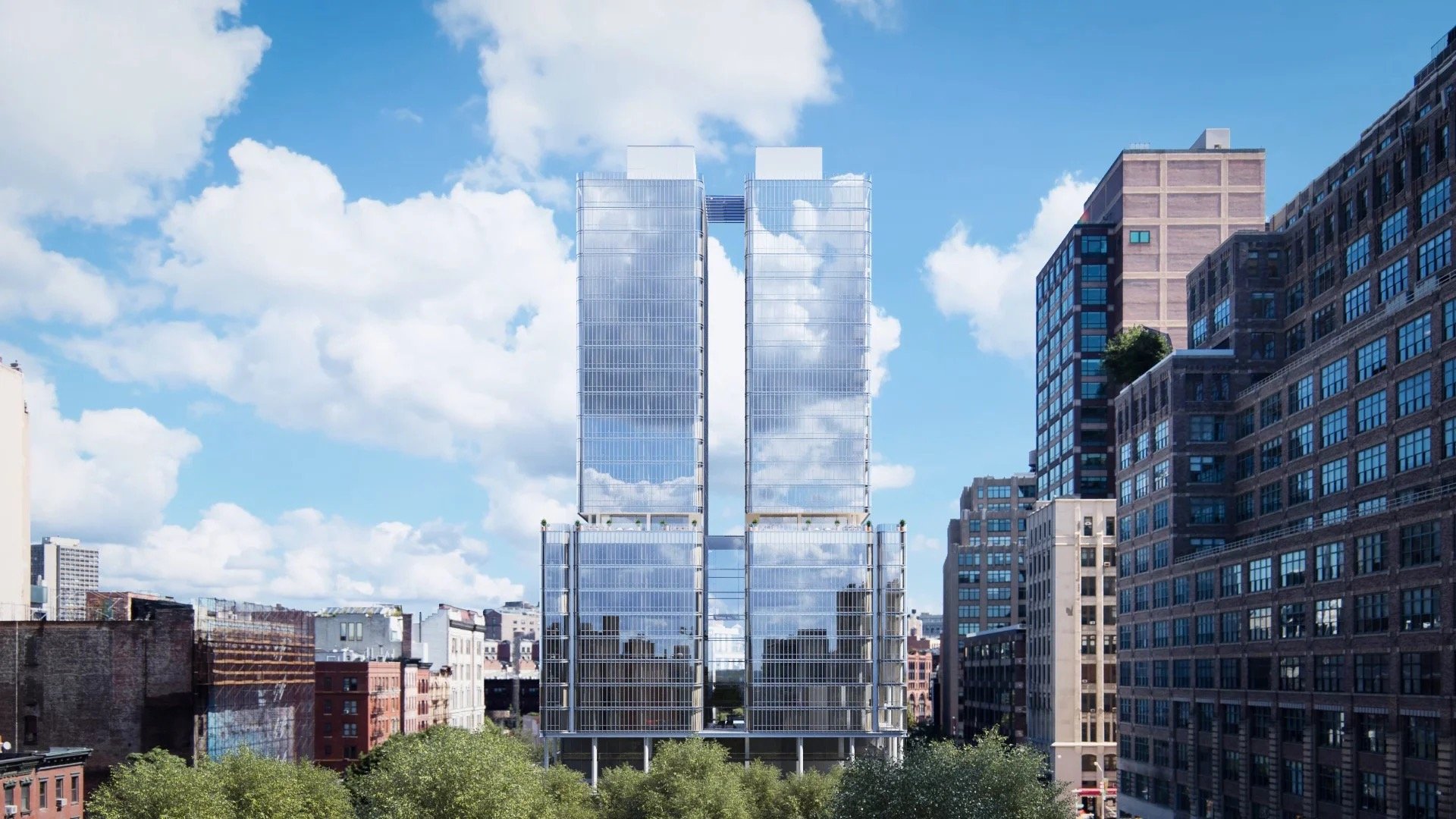
New ground-up construction in SoHo is rare and tightly controlled by the Landmarks Preservation Commission. The buildings that have come online over the last cycle — 565 Broome SoHo (Renzo Piano), 30 Crosby, 11 Howard, and a handful of smaller projects in the cast-iron district and along the Hudson Square edge — sit at the top of the local pricing distribution and tend to deliver full-service amenity programs that the loft inventory does not.
A small but significant share of SoHo trades as private full-floor residences — single units that occupy an entire building floor, typically with a keyed elevator. This is the product type most associated with SoHo at the top of the market and is the inventory tier where individual buyer relationships and off-market access matter most, because publicly listed availability at any given moment is thin.
SoHo is a supply-constrained market with structurally low turnover. Landmark protections cap new supply; older lofts often trade after long holds; and the condominium dominance of the inventory keeps the buyer pool wide — including international, investment, and pied-à-terre purchasers who are effectively excluded from much of Manhattan's co-op stock. The result is a market where pricing tends to hold its level and where the most desirable individual units can clear well above neighborhood averages.
Currently available SoHo apartments are listed below, drawn directly from the live MLS feed and refreshed throughout the day. Inventory is intentionally limited — SoHo turnover is structurally low, and the most desirable full-floor lofts often trade off-market.
Eight points we surface in nearly every SoHo buyer conversation.
Most SoHo inventory is loft-style, but unit quality ranges widely — from raw, character-rich conversions to fully renovated triple-mint product. Two units in the same building can clear at very different prices.
Roughly 80% of SoHo's residential inventory is condominium, a function of how loft buildings were converted. Co-ops exist but are a minority, which keeps the buyer pool unusually wide for a downtown neighborhood.
The SoHo Cast-Iron Historic District restricts facade alterations, window replacement, and major exterior work. Interior renovations are largely unconstrained, but exterior changes require Landmarks review — budget and timeline implications buyers should price in.
SoHo competes most directly with Tribeca (lower density, more new construction at the top end), NoHo (smaller, quieter, similar architecture), and the West Village (lower retail intensity, more townhouse stock). Pricing is broadly comparable, with Tribeca trophy product sitting at the top.
Broadway, West Broadway, Greene, and Mercer carry one of the densest luxury-retail and gallery footprints in the city. The west and south edges of the neighborhood are quieter; buyers who want loft architecture without the foot traffic typically focus there.
SoHo has fewer green spaces and family-oriented services than the West Village or Tribeca, and the public-school footprint is limited. Families that buy here typically rely on private and independent schools and use the Hudson River Park corridor for outdoor space.
The condo dominance, brand recognition, and architectural pedigree make SoHo a frequent first-Manhattan-purchase neighborhood for international buyers and a recurring choice for pied-à-terre and investment purchases.
For specific product types — full-floor lofts, top-floor units in named buildings, units with private outdoor space — the comparable-sales pool can be a single-digit number per year. Pricing the right unit correctly is more art than algorithm.
The core of the neighborhood, between Houston and Canal east of West Broadway, holds the densest concentration of cast-iron facades anywhere in the world. The cobblestone side streets — Greene, Mercer, Wooster — are the visual signature of SoHo and the most architecturally protected blocks.
Broadway, West Broadway, and the Greene/Mercer corridor carry one of the most concentrated luxury-retail footprints in New York. The gallery scene — while less dominant than in the 1980s — remains material, with design showrooms, contemporary galleries, and major flagship stores integrated into ground floors throughout the cast-iron district.
West of Sixth Avenue, Hudson Square is quieter and increasingly office-led, with creative-economy tenants anchoring the area. Several recent residential additions — including 565 Broome SoHo and 15 Renwick — sit on this edge and trade on river views and proximity to the Hudson River Park esplanade.
Just north of Houston Street, NoHo is architecturally continuous with SoHo — same cast-iron and masonry stock, same loft floor plates — but with a quieter retail environment. Several of the most pedigreed downtown loft conversions and architect-led condominiums sit on the SoHo–NoHo seam.
Families in SoHo typically draw on independent schools across downtown Manhattan and the East Village. The neighborhood is not a traditional family-first market; for buyers prioritizing schools and outdoor space, the West Village and Tribeca generally offer more depth.
Subway access is strong: 6 at Spring, R/W at Prince, A/C/E at Spring, B/D/F/M at Broadway-Lafayette, and 1 at Houston/Varick. Walk scores are among the highest in the city, with most of midtown south, the West Village, and Tribeca reachable on foot.
SoHo apartments are dominated by cast-iron commercial loft conversions — 19th-century manufacturing buildings turned residential beginning in the 1970s. Typical features include 11–14 foot ceilings, exposed cast-iron columns, oversized industrial windows, and open floor plates of 2,000–5,000+ square feet. A smaller share of inventory is architect-led new construction (565 Broome, 30 Crosby, 11 Howard) layered into the same blocks.
Condominium sales generally clear in a $2,000–$4,500 per-square-foot range, with architect-led new developments and trophy full-floor lofts at the upper end. Studios and smaller one-bedrooms typically begin around $1.2M–$3M, two-bedrooms span $3M–$8M, three-bedrooms cover $5M–$15M, and full-floor lofts in the most pedigreed buildings extend into the $15M–$50M+ tier.
SoHo is approximately 80% condominium, a function of how loft buildings were converted under post-1971 regulations. Co-ops exist but are a minority. The condo dominance keeps the buyer pool unusually wide — international, pied-à-terre, and investment buyers who are effectively excluded from much of Manhattan's co-op stock can transact here without board approval friction.
SoHo and Tribeca share architectural origins — both are cast-iron loft districts — but trade differently. SoHo carries higher retail and pedestrian intensity, particularly along Broadway and West Broadway. Tribeca is quieter, has lower retail density, and contains more of the recent architect-led ground-up construction (56 Leonard, 70 Vestry, 30 Park Place), which keeps trophy pricing sitting somewhat higher in Tribeca.
Interior renovations are largely unconstrained. Exterior work — facades, windows visible from the street, rooftop additions — falls under SoHo Cast-Iron Historic District review and adds time and cost to a project. Buyers planning major exterior changes should price in Landmarks review and consult counsel before contract.
Very. Landmark protections, small lot sizes, and the existing density of the cast-iron district mean only a handful of ground-up condominiums have come online in the last cycle. The most prominent — 565 Broome SoHo, 30 Crosby, 11 Howard — sit at the top of local pricing and tend to clear quickly when units come back to the market.
SoHo sits within a broader market. See all Manhattan apartments for sale.