 Completed
Empfohlen
Completed
Empfohlen
220 Central Park South
118 Residences · By Vornado Realty Trust

Manhattans prestigeträchtigste Luxus-Condominiums, von den ikonischen Türmen der Billionaires' Row bis zu Tribeca-Lofts und Neubauprojekten, kuratiert von Manhattan Miami
Manhattans renommierteste Luxus-Eigentumswohnungen, von den ikonischen Türmen der Billionaires' Row bis zu Lofts in Tribeca und Neubauten
Completed
Empfohlen
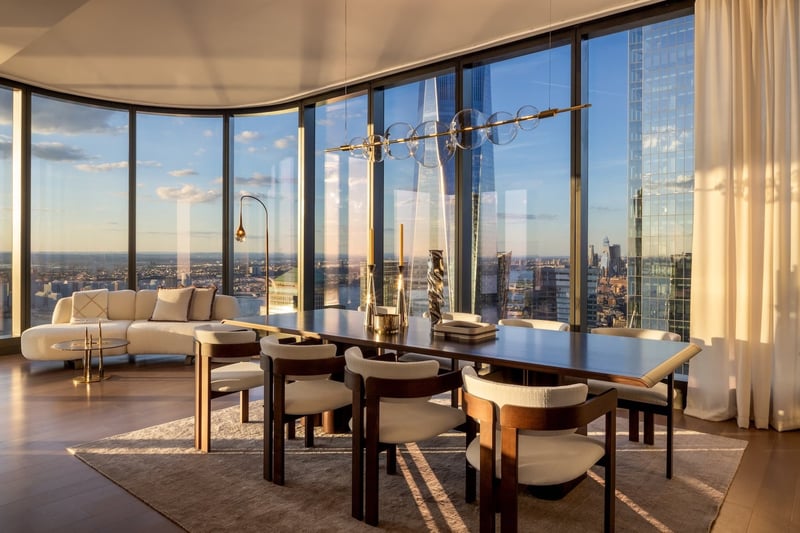
118 Residences · By Vornado Realty Trust
 Completed
Empfohlen
Completed
Empfohlen
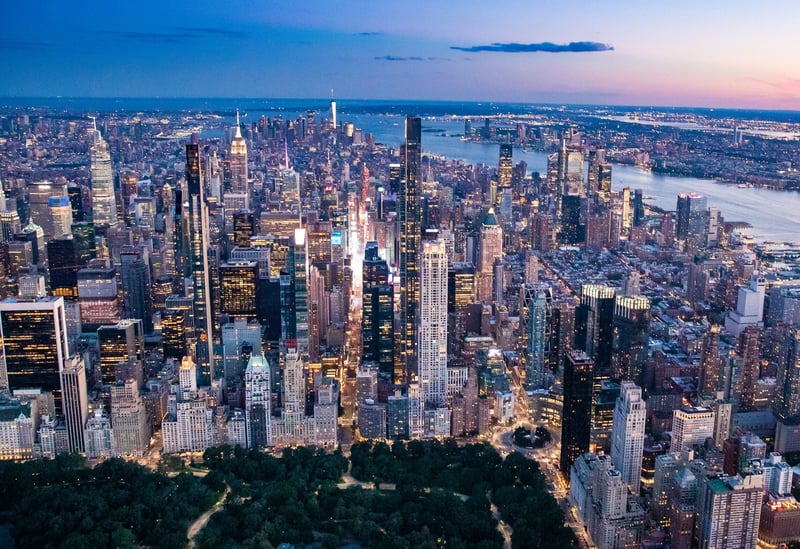
272 Residences · By Bizzi & Partners
 Completed
Empfohlen
Completed
Empfohlen
179 Residences · By Extell Development Company
 Completed
Empfohlen
Completed
Empfohlen
566 Residences · By Macklowe Properties
 Completed
Empfohlen
Completed
Empfohlen
375 Residences · By Dajia Insurance Group
 pre-construction
112 Residences · By Zeckendorf Development and Atlas Capital Group
 pre-construction
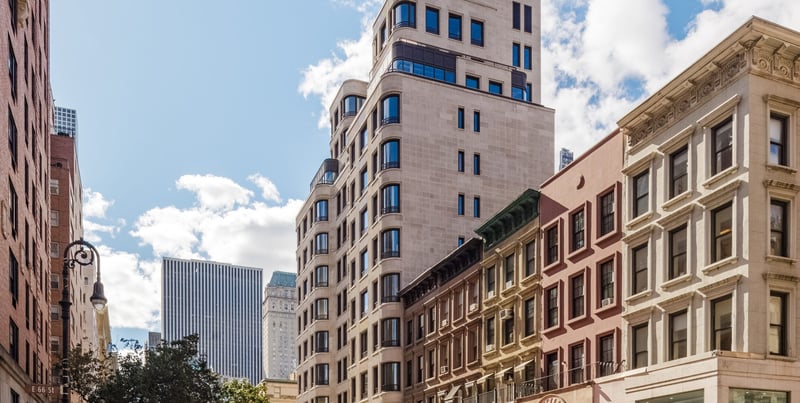
10 Residences · By SL Green Realty Corp.
 under-construction
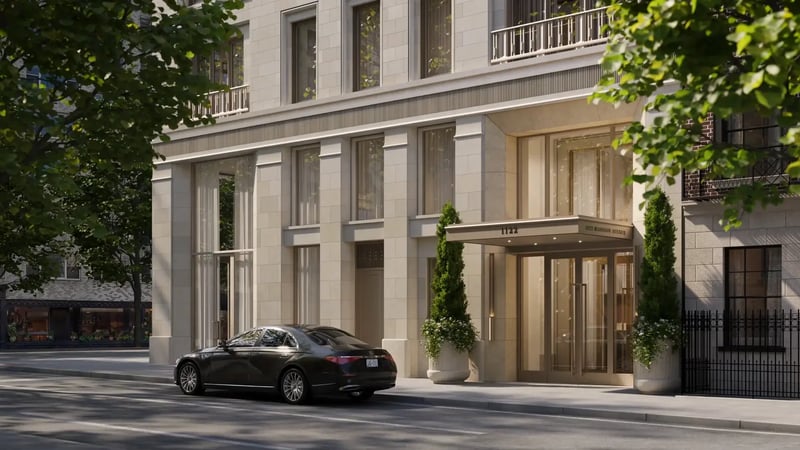
26 Residences · By Legion Investment Group and Nahla Capital
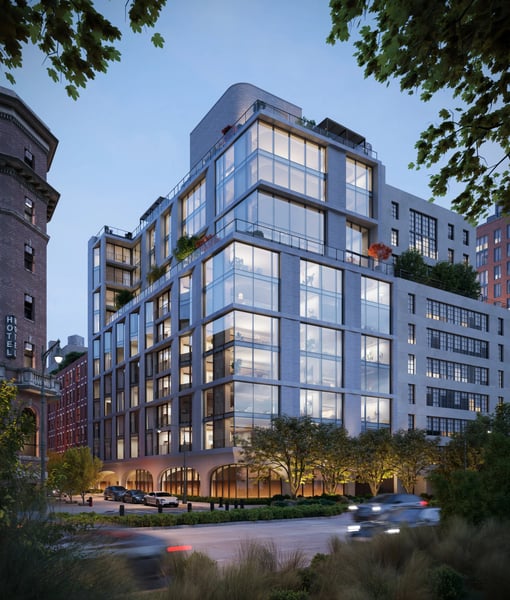 under-construction
14 Residences · By Aurora Capital Associates
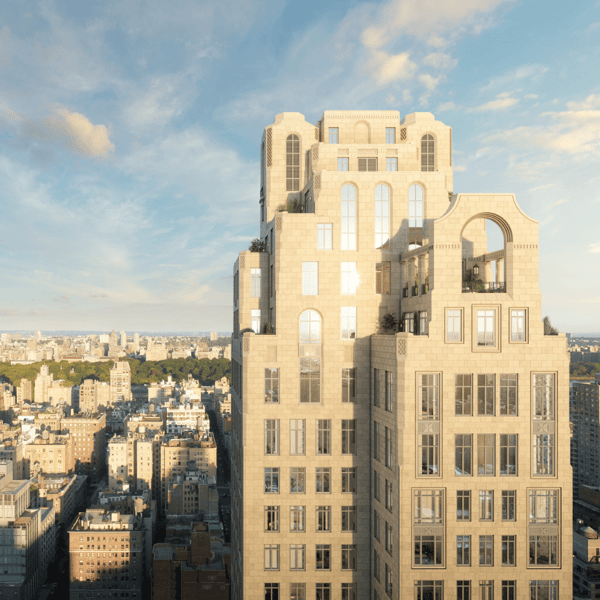 under-construction
62 Residences · By Naftali Group
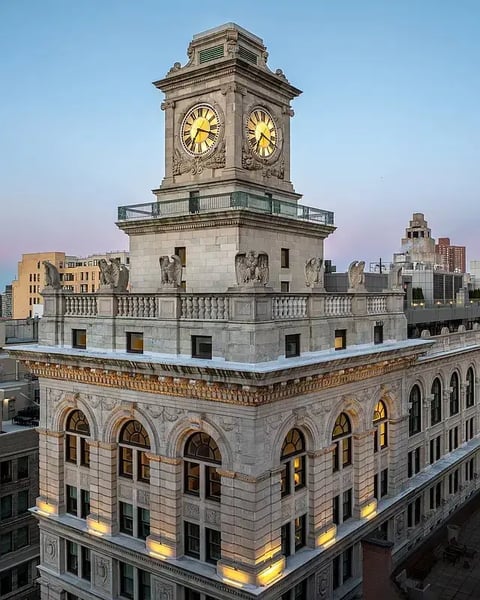 Completed
166 Residences · By Elad Group & Peebles Corporation
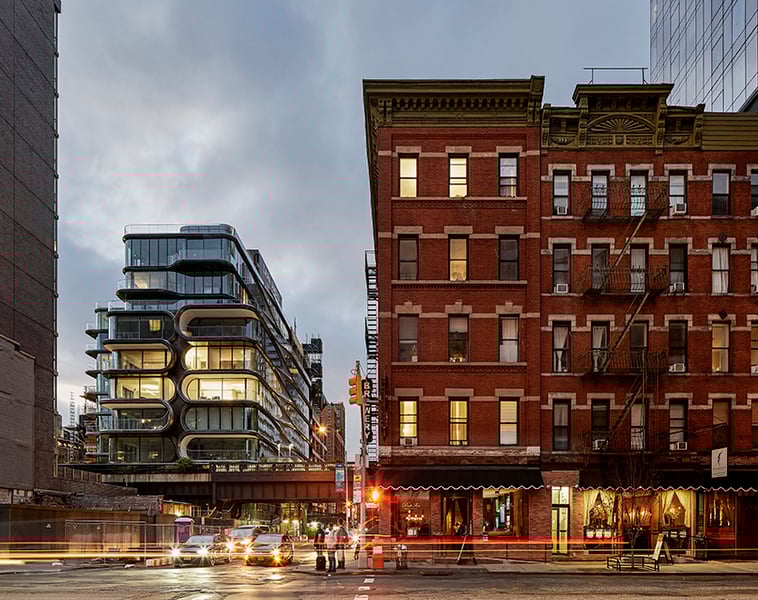 Completed
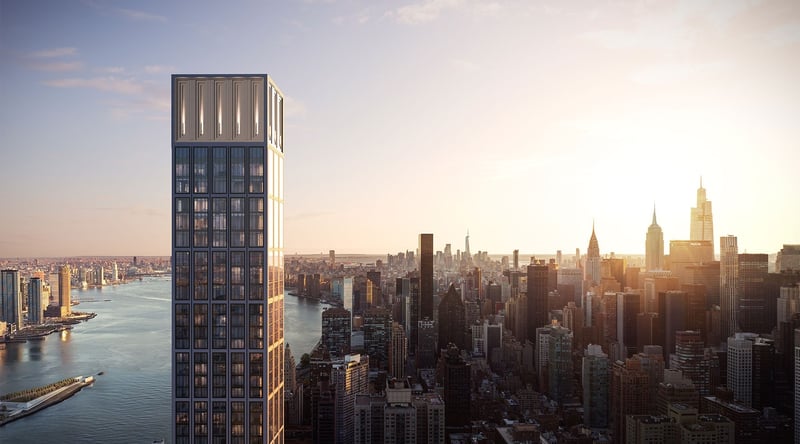
39 Residences · By Related Companies
 Completed
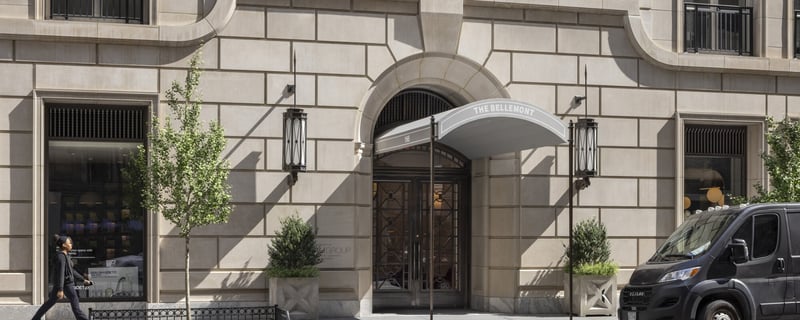
120 Residences · By Gamma Real Estate / JVP Management
 Completed
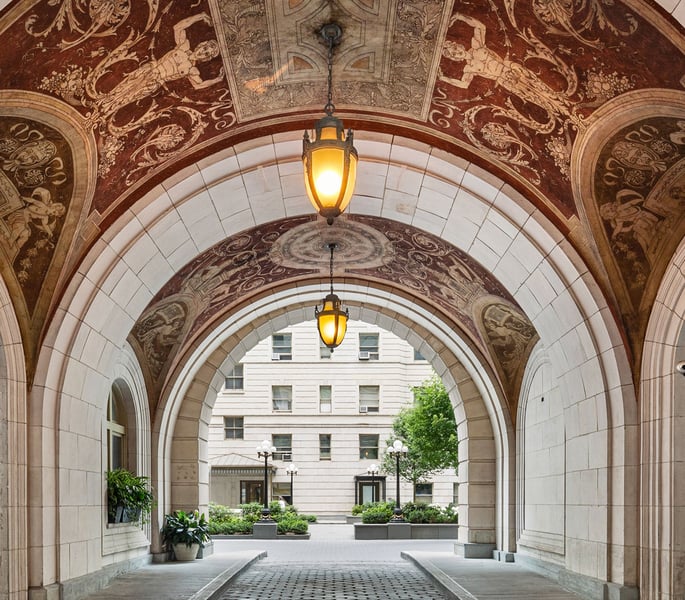
12 Residences · By Naftali Group
 Completed
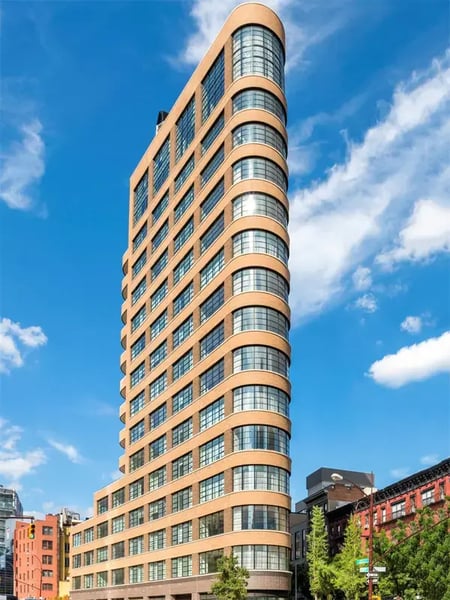
215 Residences · By HFZ Capital Group
 Completed
20 Residences · By Madison Equities & Property Markets Group (PMG)
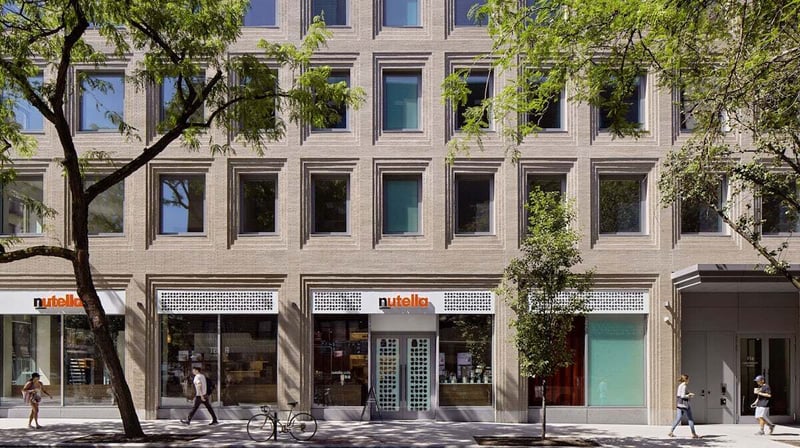 Completed
5 Residences · By Ranger Properties & Sagamore Capital
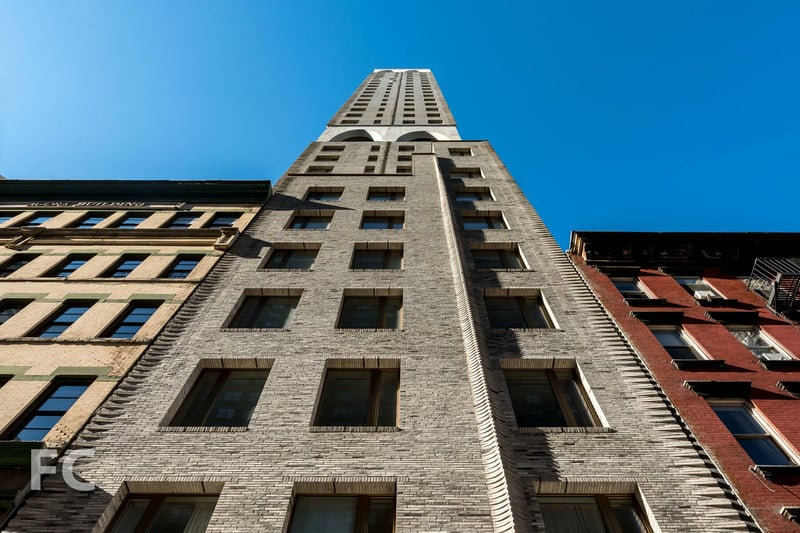 Completed
48 Residences · By DDG
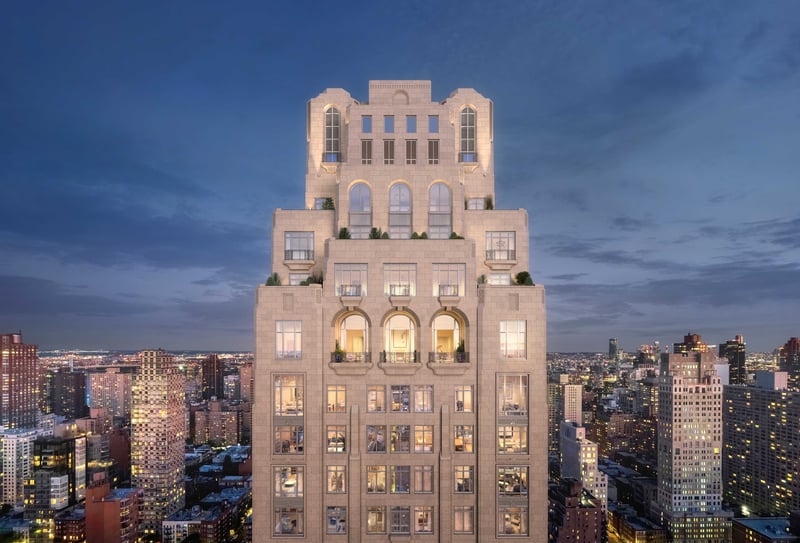 Completed
86 Residences · By Naftali Group & Rockefeller Group
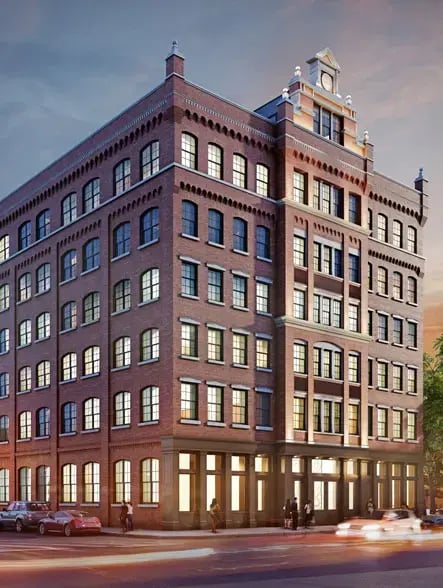 Completed
20 Residences · By Stillman Development
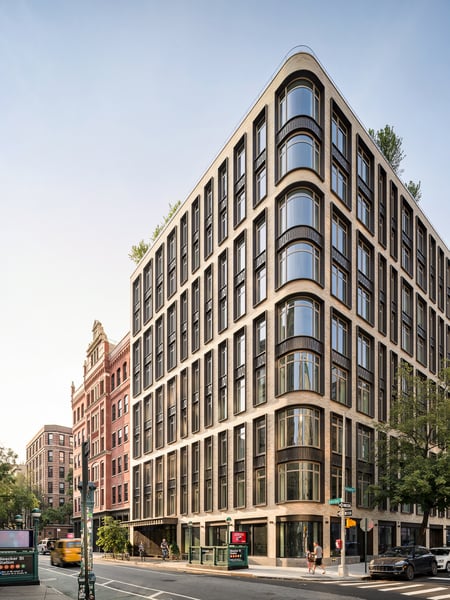 Completed
61 Residences · By Broad Street Development
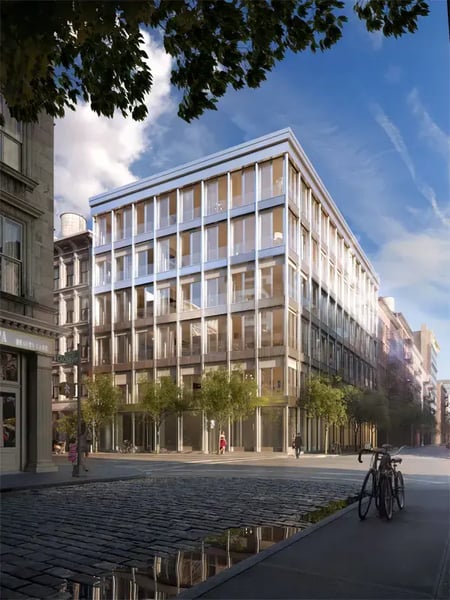 Completed
10 Residences · By Atlas Capital Group
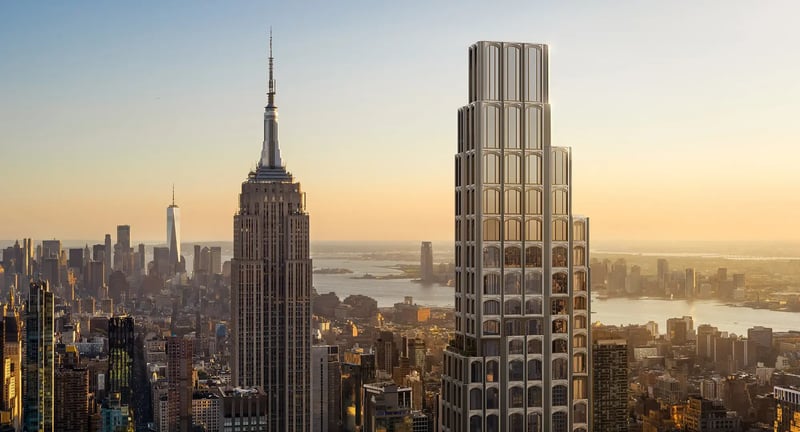 Completed
100 Residences · By Rabina
 Completed
60 Residences · By JDS Development Group
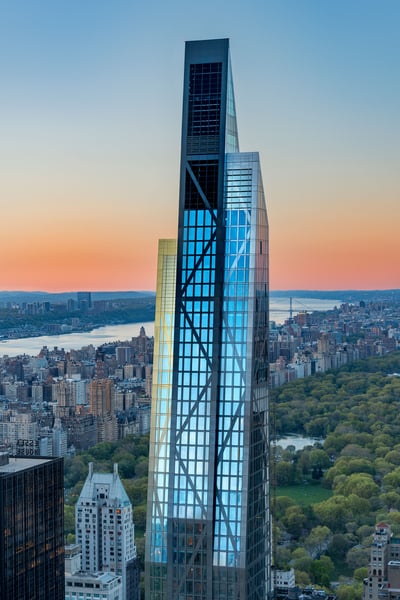 Completed
145 Residences · By Hines / Goldman Sachs
 Completed
33 Residences · By Zeckendorf Development
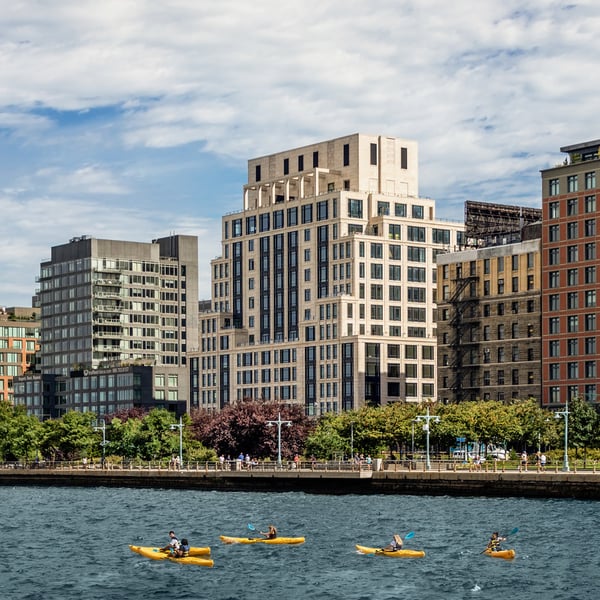 Completed
46 Residences · By Related Companies
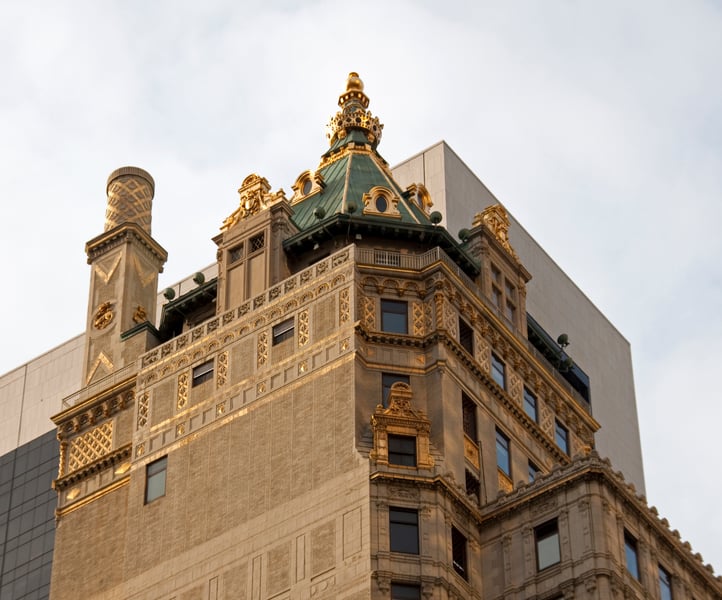 Completed
22 Residences · By OKO Group
 Completed
127 Residences · By Extell Development
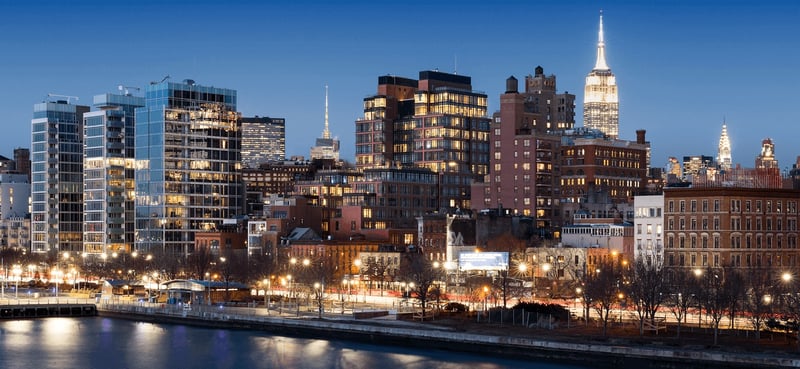 Completed
91 Residences · By Witkoff Group & New Valley
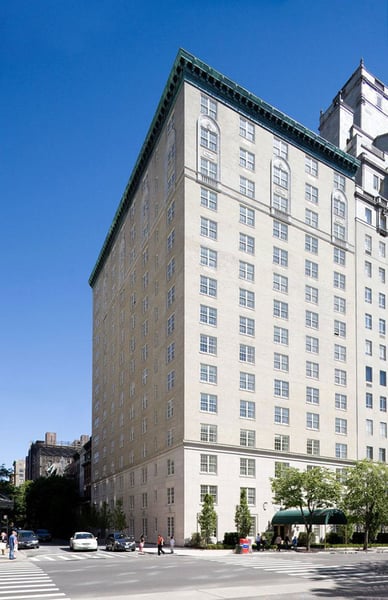 Completed
30 Residences · By 995 Fifth Avenue LLC
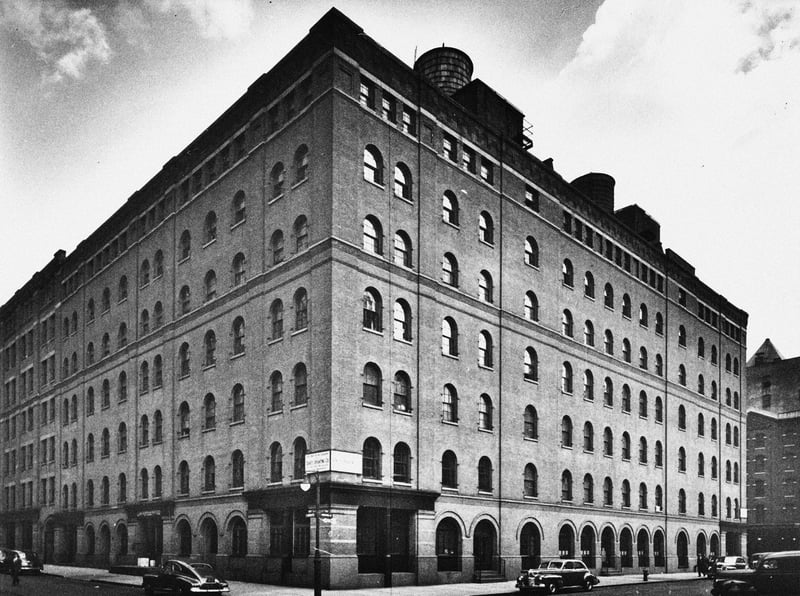 Completed
53 Residences · By Nathan Berman, Metro Loft Management
 Completed
51 Residences · By Related Companies, HFZ Capital Group and CIM Group
 Completed
157 Residences · By Silverstein Properties
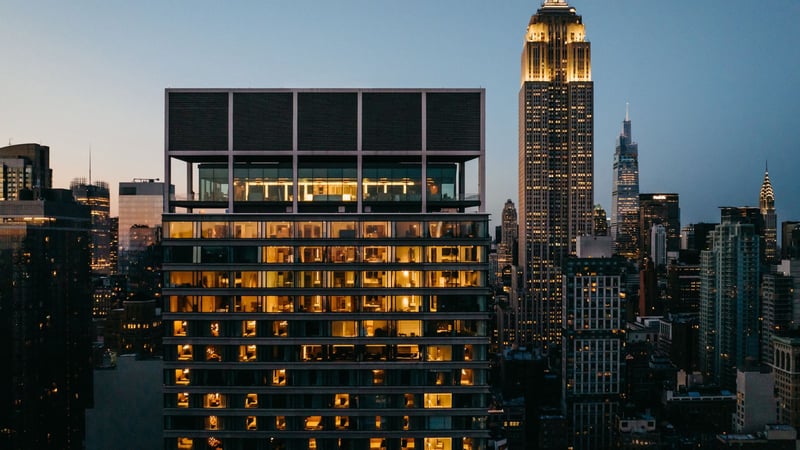 Completed
116 Residences · By Flag Luxury Group and Bizzi & Partners
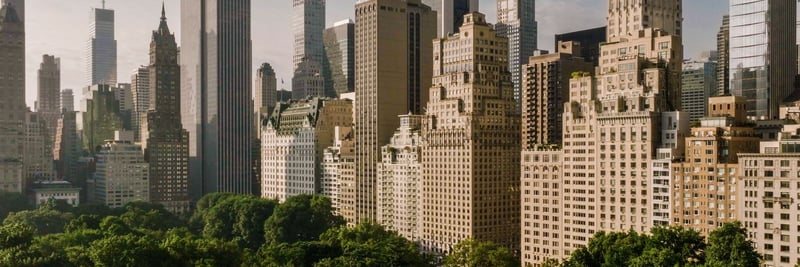 Completed
50 Residences · By Alchemy Properties
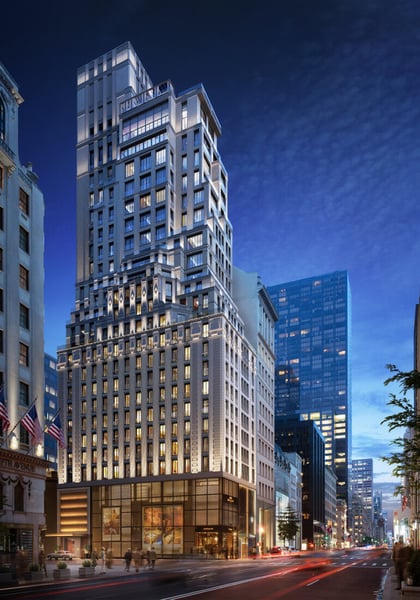 under-construction
69 Residences · By Mandarin Oriental
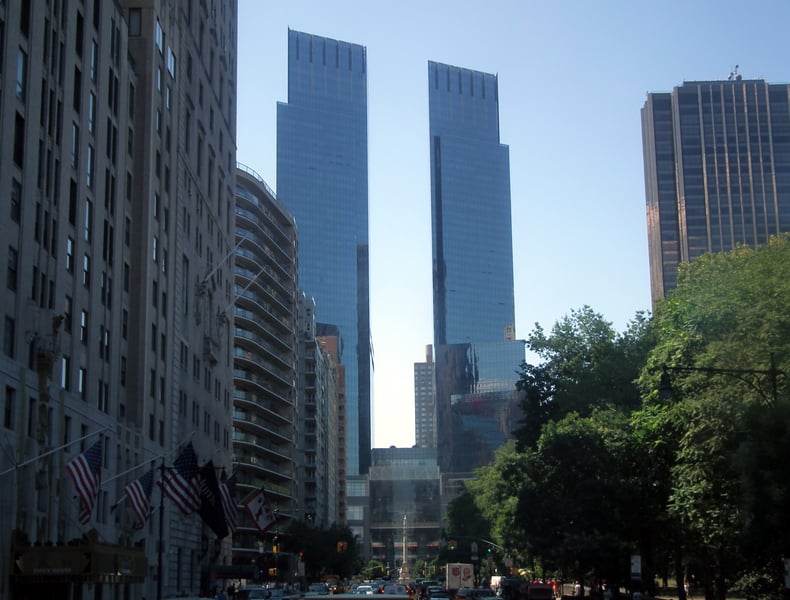 Completed
133 Residences · By Related Companies and Apollo Real Estate Advisors
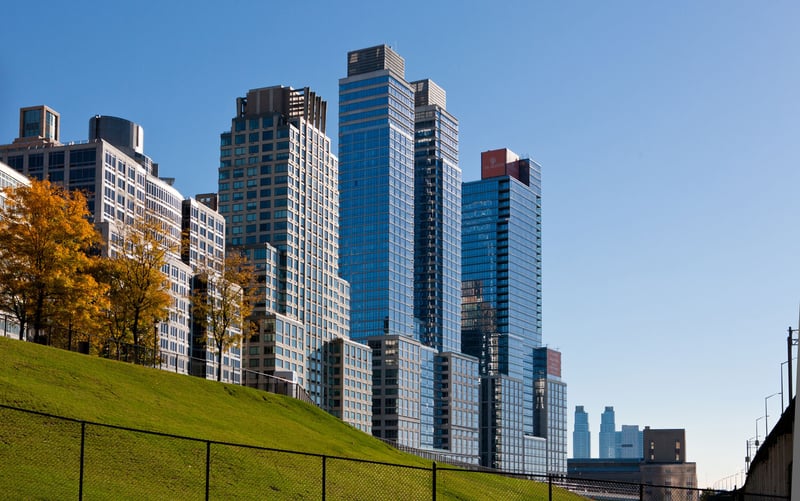 Completed
285 Residences · By Extell Development Company
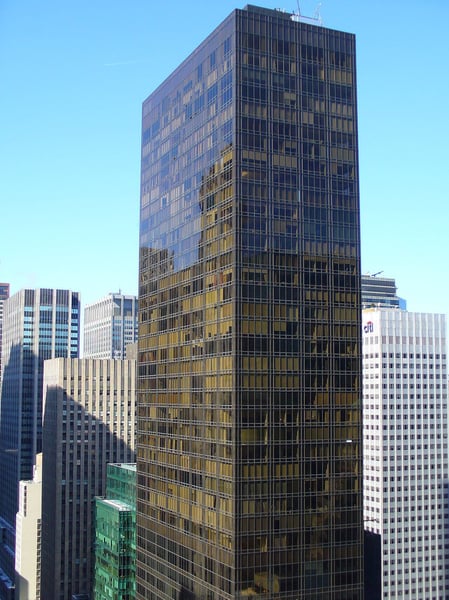 Completed
225 Residences · By Arlen Realty & Olympic Airways
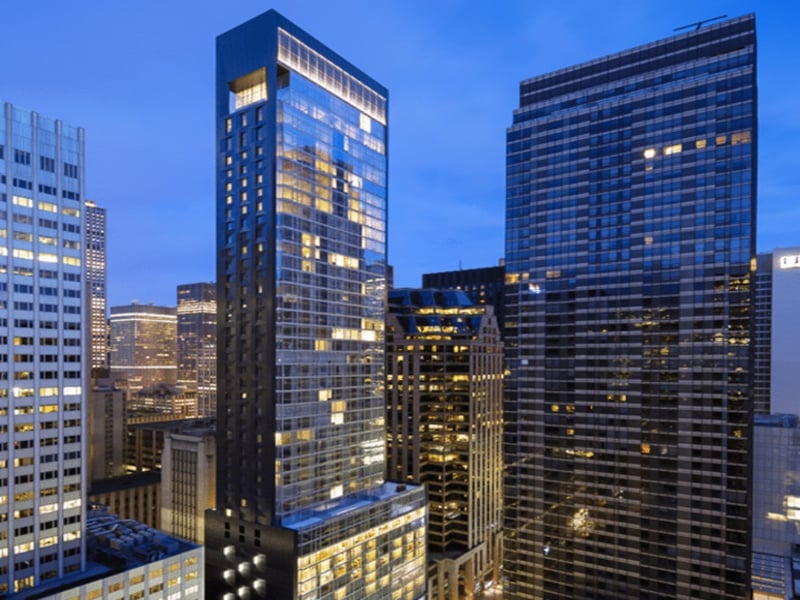 Completed
61 Residences · By Starwood Capital Group and Tribeca Associates
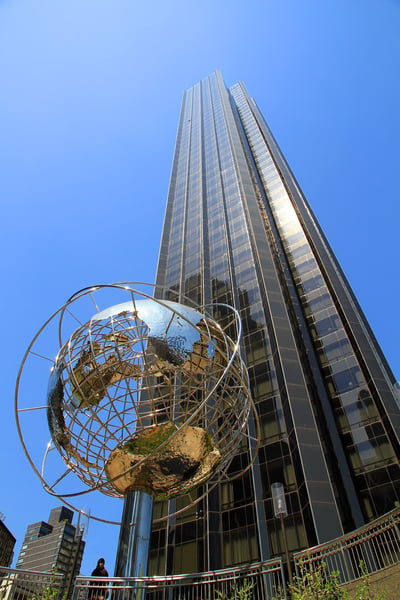 Completed
156 Residences · By The Trump Organization, General Electric Pension Trust and Galbreath Company
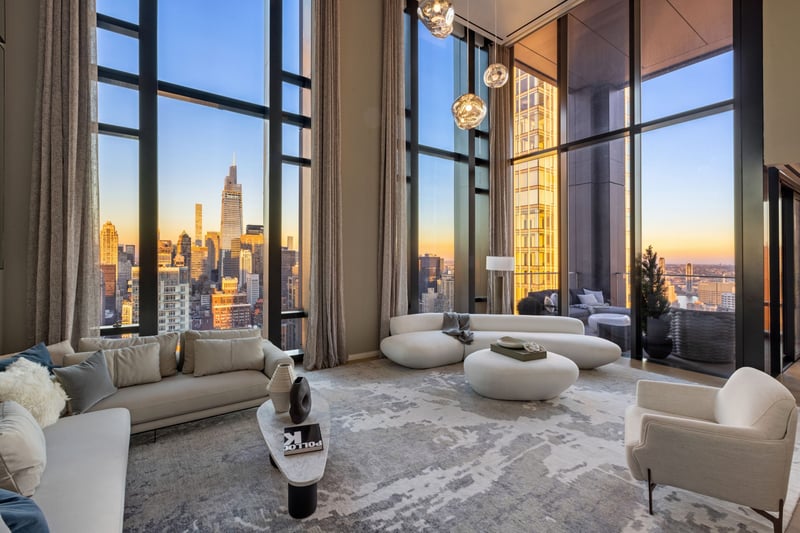 Completed
130 Residences · By Victor Group and Lendlease
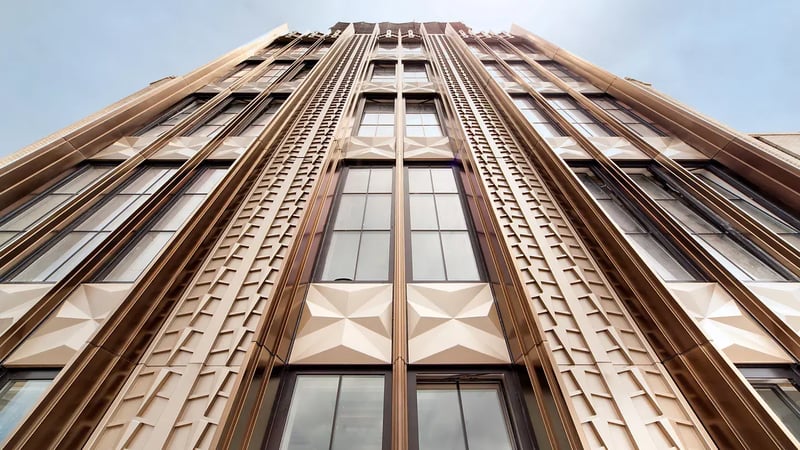 Completed
47 Residences · By JDS Development Group
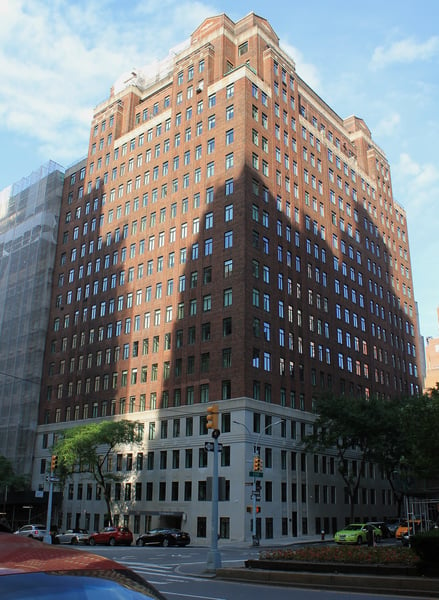 Completed
60 Residences · By Macklowe Properties
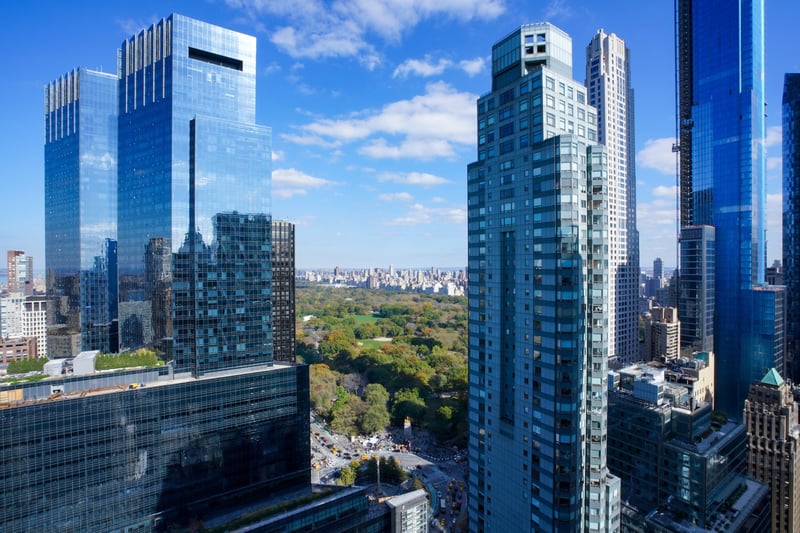 Completed
583 Residences
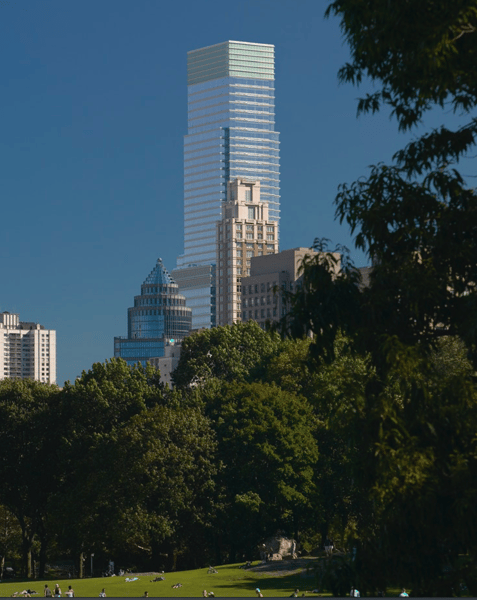 Completed
105 Residences · By Vornado Realty Trust
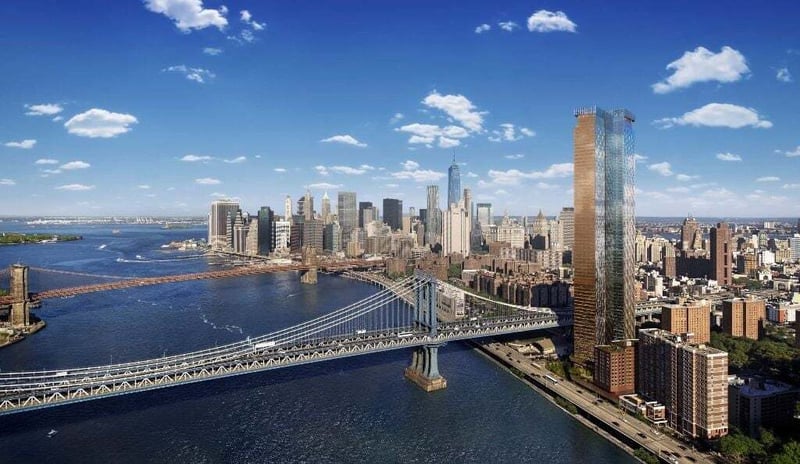 Completed
815 Residences · By Extell Development Company
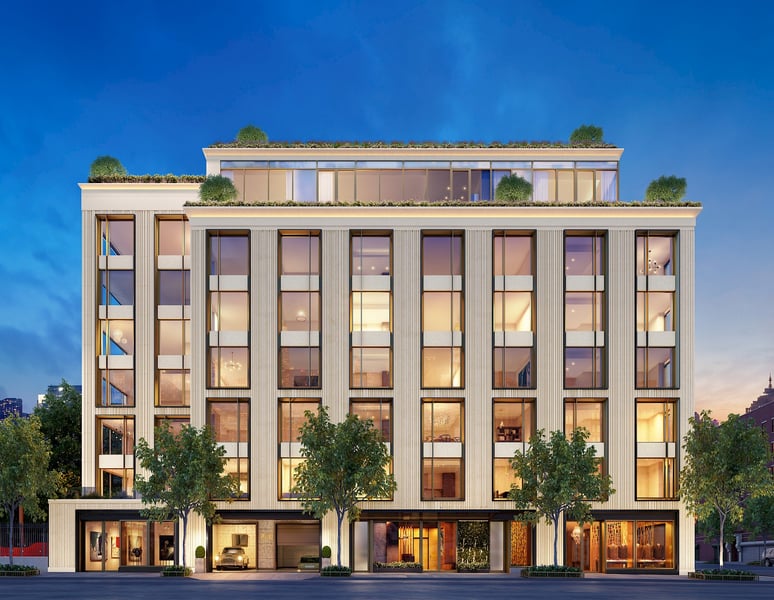 Completed
35 Residences · By DHA Capital / AMS Acquisitions
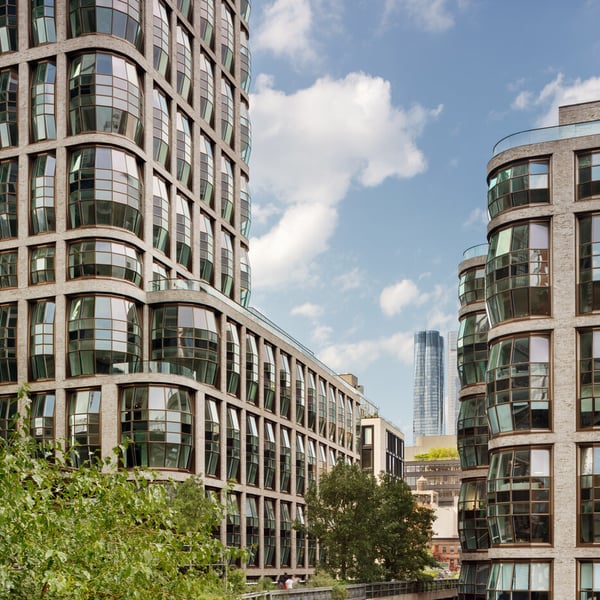 Completed
181 Residences · By Related Companies
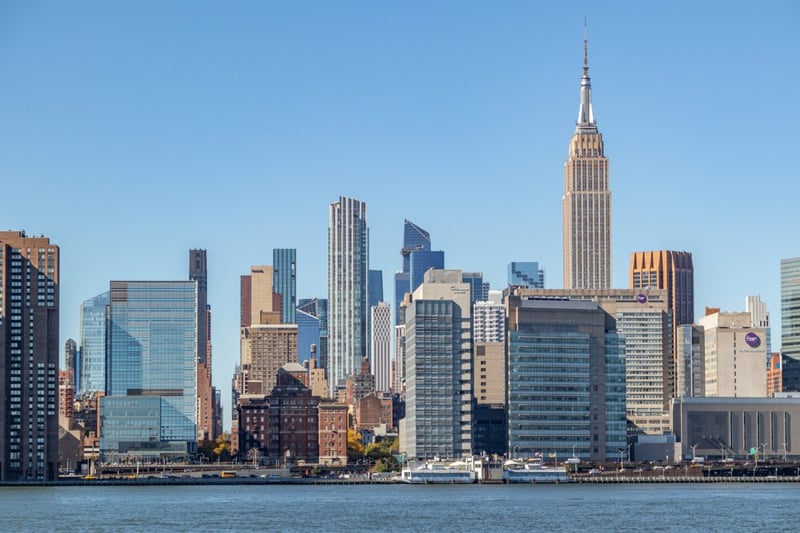 Completed
199 Residences · By Fosun Group & J.D. Carlisle
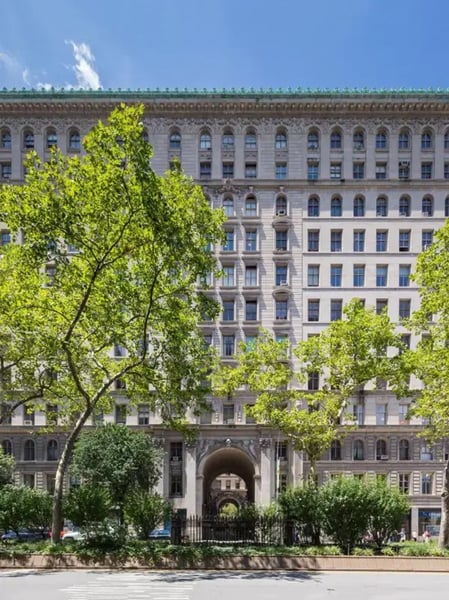 Completed
163 Residences · By William Waldorf Astor / Area Property Partners
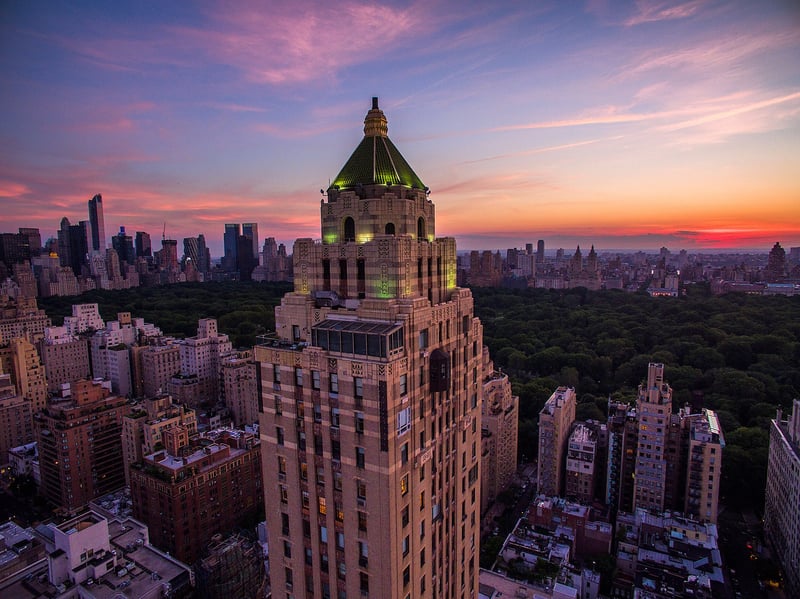 Completed
60 Residences · By Moses Ginsberg / Rosewood Hotels
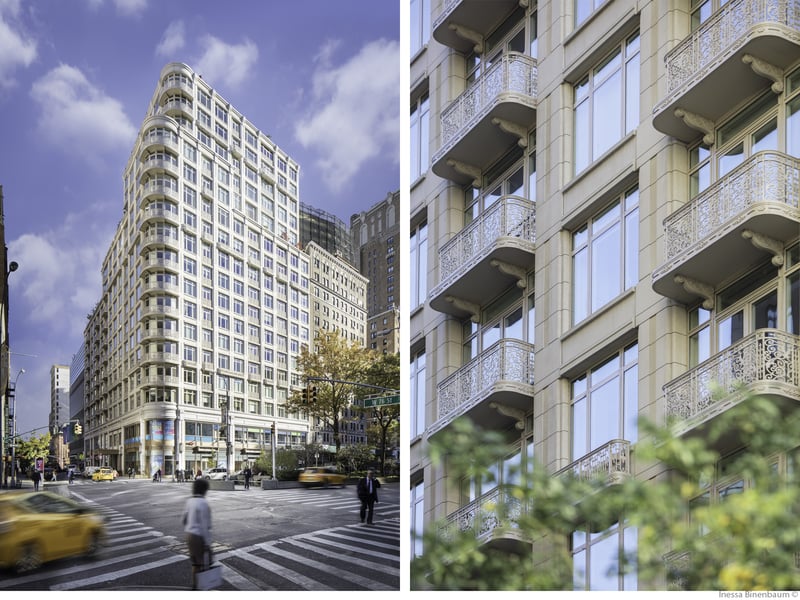 Completed
71 Residences · By The Stahl Organization
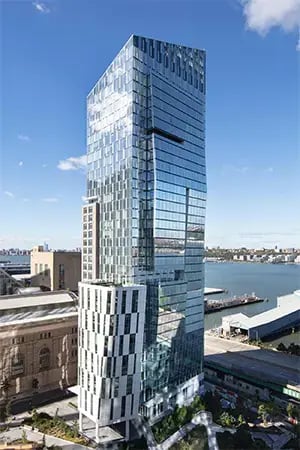 Completed
263 Residences · By GID Development Group
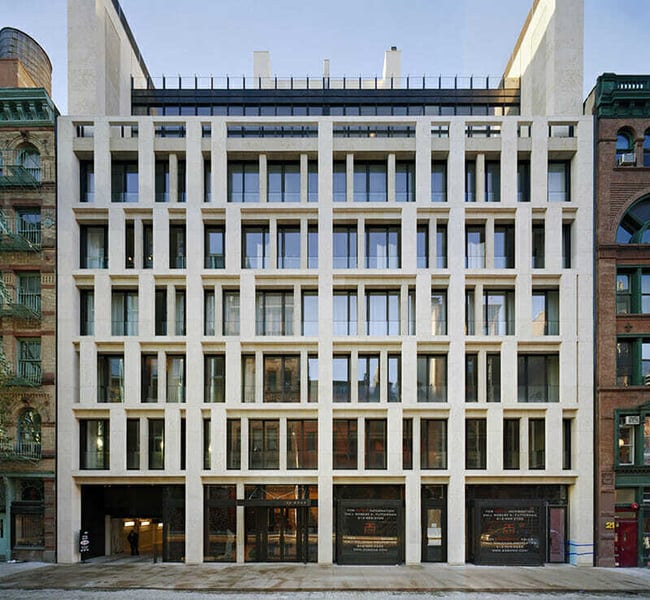 Completed
10 Residences · By Goldman Properties (Tony Goldman)
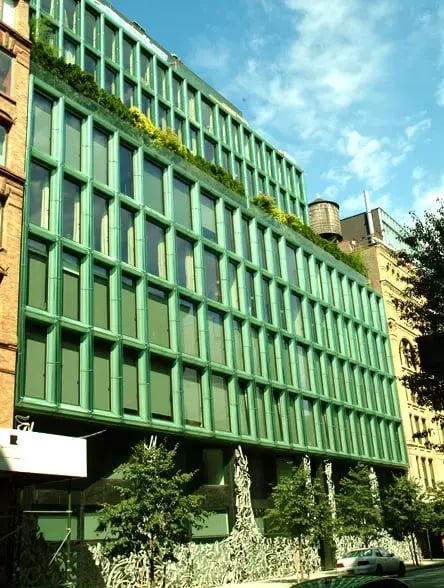 Completed
33 Residences · By Ian Schrager / RFR Realty
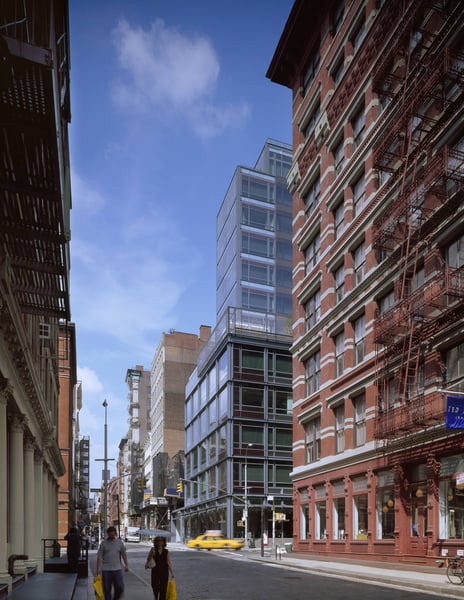 Completed
40 Residences · By Andre Balazs / Hines
 Completed
219 Residences · By Gamma Real Estate
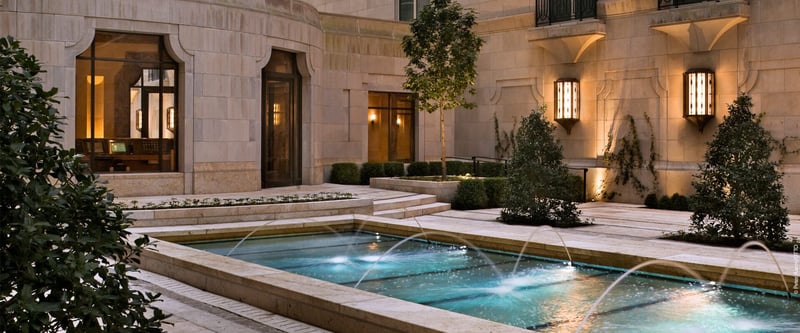 Completed
202 Residences · By Zeckendorf Development
 Completed
131 Residences · By Glacier Equities & InterVest Capital Partners
 Completed
191 Residences · By Navigation Capital Group
 Completed
92 Residences · By Extell Development Company
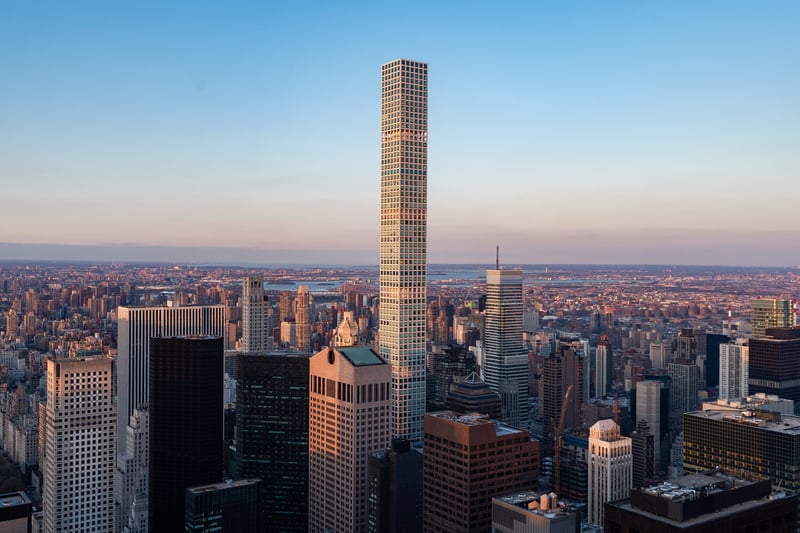 Completed
125 Residences · By CIM Group & Macklowe Properties
 Completed
145 Residences · By Hines / Alexico Group
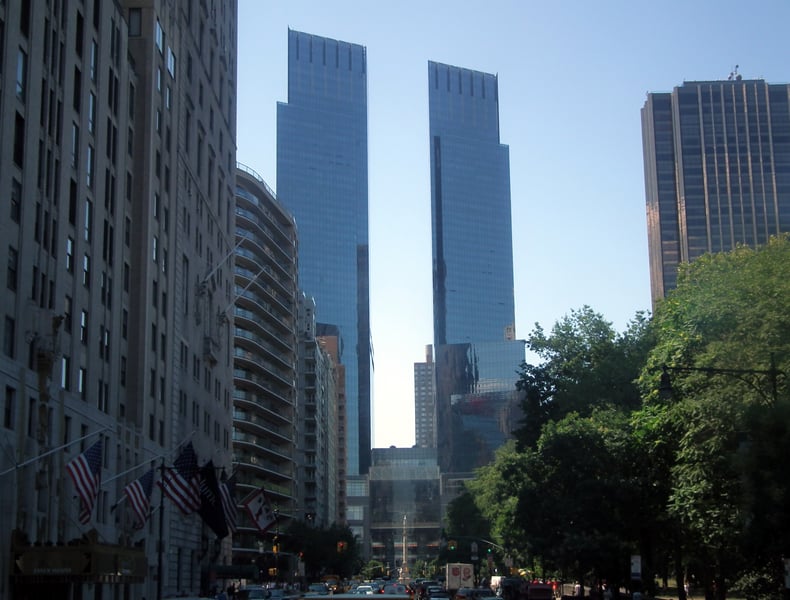 Completed
198 Residences · By Related Companies and Apollo Global Management
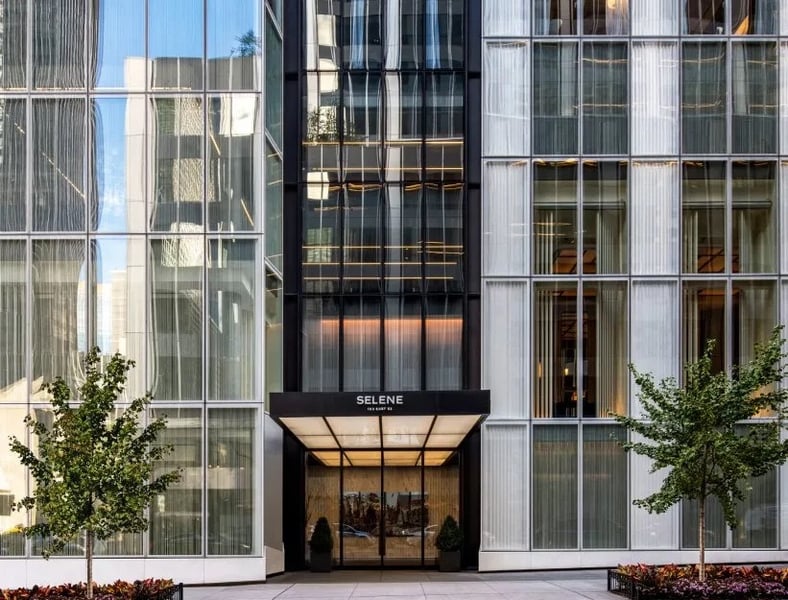 Completed
94 Residences · By Vanke US / RFR
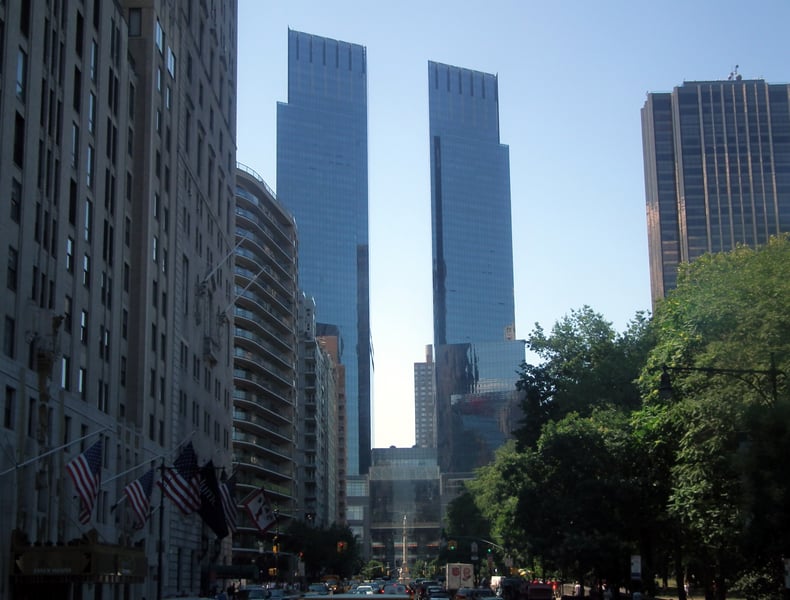 Completed
66 Residences · By Mandarin Oriental
 Completed
285 Residences · By Related Companies
 Completed
143 Residences · By Related Companies & Oxford Properties
 Completed
199 Residences · By Rudin Management and Global Holdings
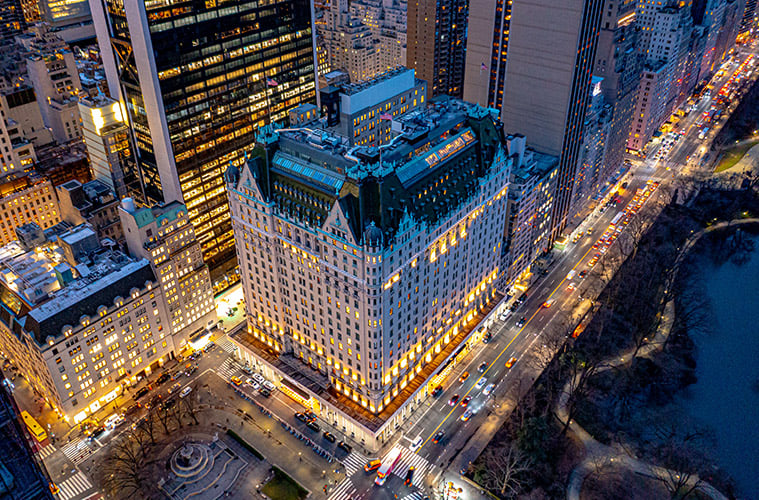 Completed
181 Residences · By El Ad Properties
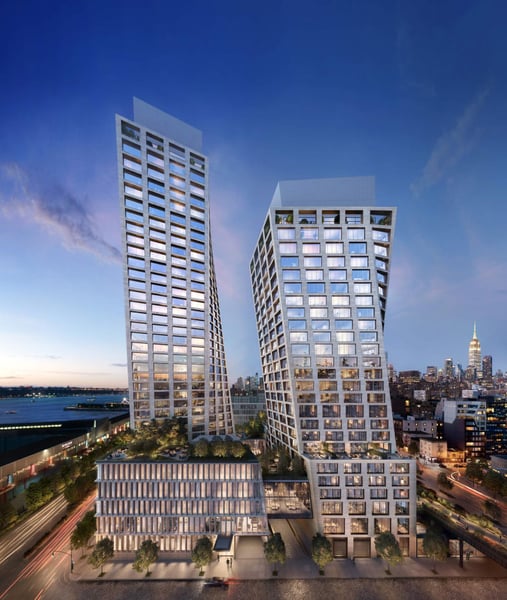 Completed
236 Residences · By Witkoff and Access Industries
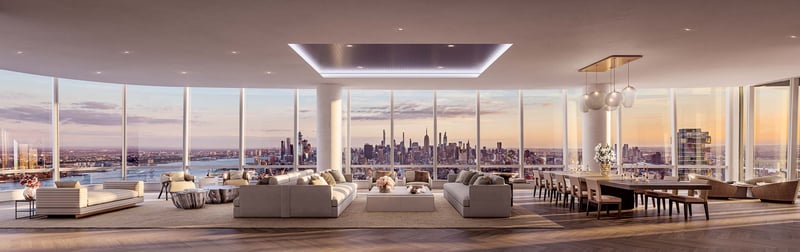 Completed
157 Residences · By Fisher Brothers and Witkoff Group
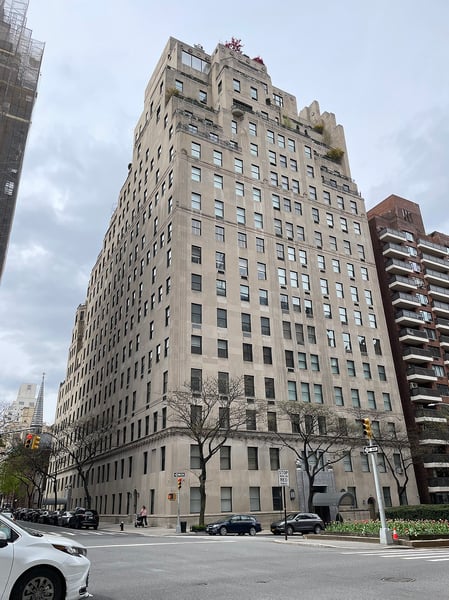 Completed
31 Residences · By James T. Lee and Jacqueline Bouvier's grandfather
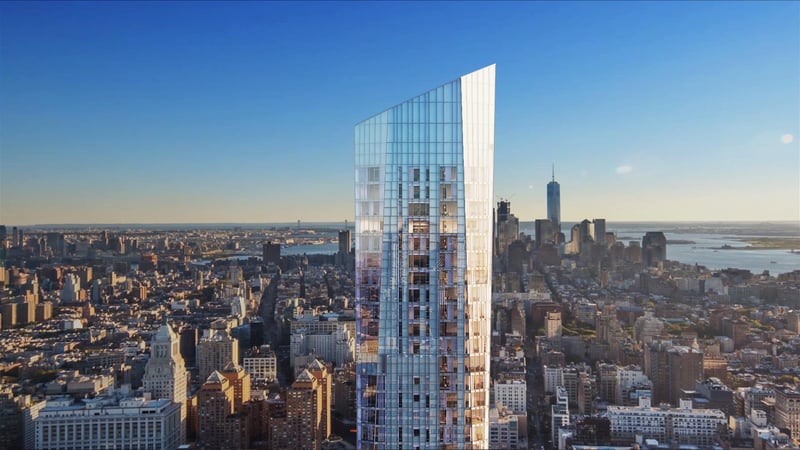 Completed
83 Residences · By KSK Construction Group
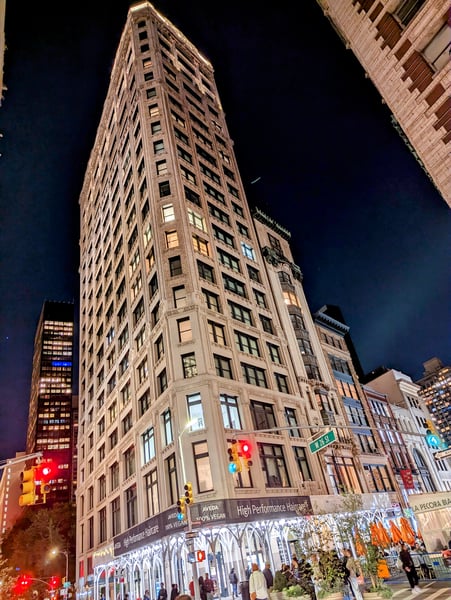 Completed
48 Residences · By Madison Equities and Thor Equities
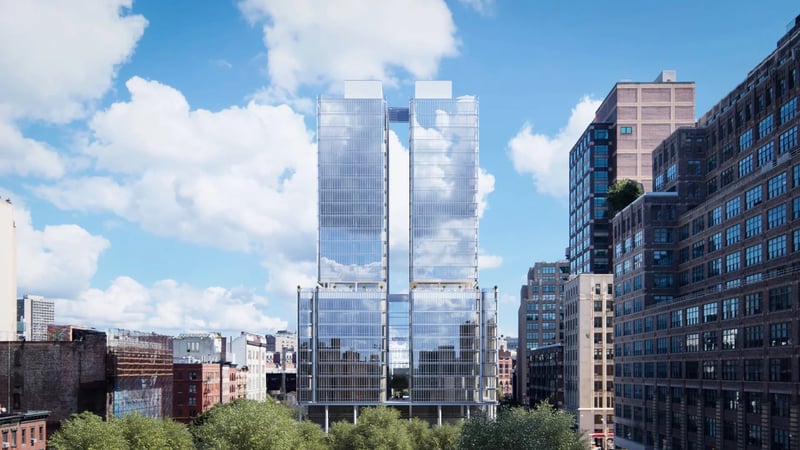
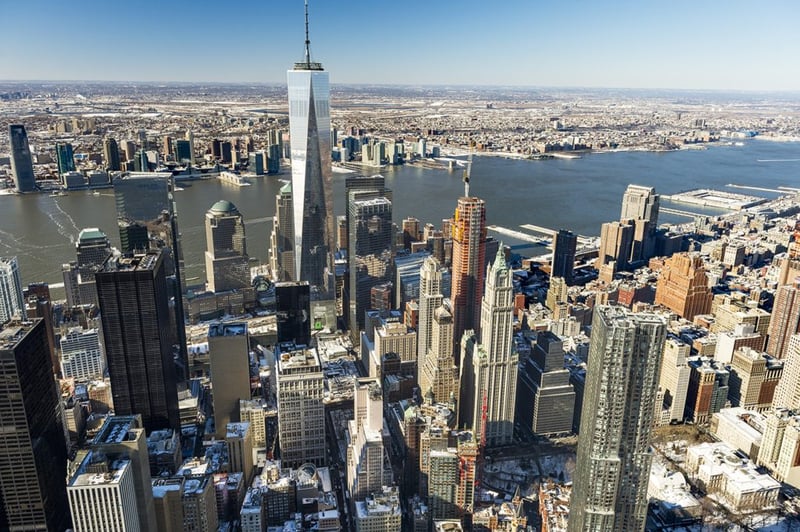 Completed
33 Residences · By Alchemy Properties
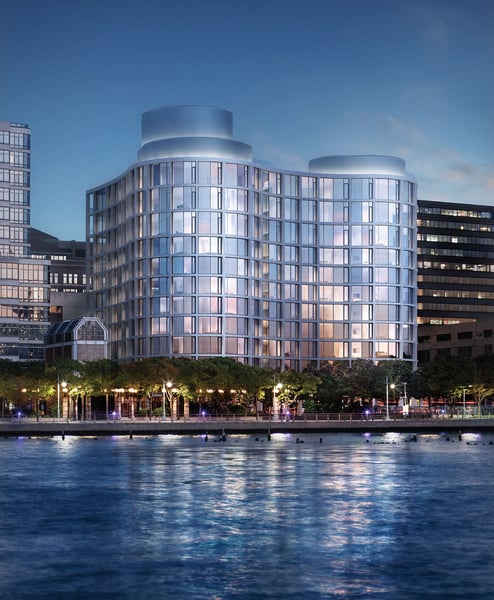
 Completed
115 Residences · By Bizzi & Partners
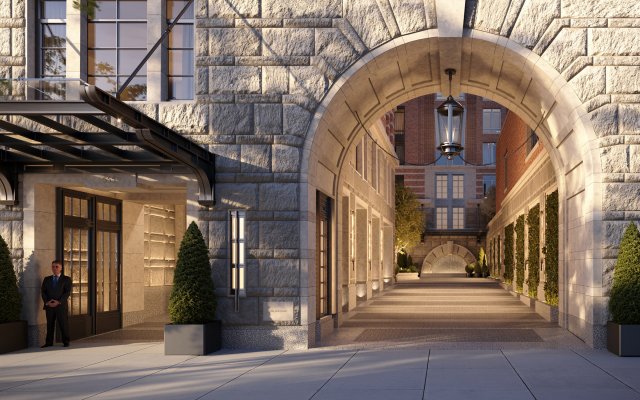
 Completed
49 Residences · By Ian Schrager and Witkoff Group
 Completed
144 Residences · By Related Companies & Mitsui Fudosan America
Voraussichtliche Übergabetermine der am stärksten erwarteten Pre-Construction-Residenzen in Luxury Condos NYC
| Projekt | Lage | Bauträger | Status | Vsl. Fertigstellung |
|---|---|---|---|---|
| 80 Clarkson | West Village | Zeckendorf Development and Atlas Capital Group | pre-construction | 2026 |
| 760 Madison | Upper East Side | SL Green Realty Corp. | pre-construction | 2025 |
| 1122 Madison Avenue | Upper East Side | Legion Investment Group and Nahla Capital | under-construction | 2027 |
| 140 Jane Street | West Village | Aurora Capital Associates | under-construction | 2026 |
| 255 East 77th Street | Upper East Side | Naftali Group | under-construction | 2026 |
| Mandarin Oriental Residences, Fifth Avenue | Midtown | Mandarin Oriental | under-construction | 2023 |
| Monogram New York | Midtown East | Navigation Capital Group | Completed | 2027 |
| 520 Fifth Avenue | Midtown | Rabina | Completed | 2026 |
| 50 West 66th Street | Upper West Side | Extell Development | Completed | 2026 |
| Waldorf Astoria Residences New York | Midtown East | Dajia Insurance Group | Completed | 2025 |
| Selene New York | Midtown East | Vanke US / RFR | Completed | 2025 |
| The Greenwich by Rafael Viñoly | Financial District | Bizzi & Partners | Completed | 2024 |
| 720 West End Avenue | Upper West Side | Glacier Equities & InterVest Capital Partners | Completed | 2024 |
| Sutton Tower | Sutton Place | Gamma Real Estate / JVP Management | Completed | 2023 |
| The Bellemont | Carnegie Hill | Naftali Group | Completed | 2023 |
| One Wall Street | Financial District | Macklowe Properties | Completed | 2023 |
| One High Line | Chelsea | Witkoff and Access Industries | Completed | 2023 |
| 995 Fifth Avenue | Upper East Side | 995 Fifth Avenue LLC | Completed | 2023 |
| The Ritz-Carlton Residences New York NoMad | NoMad | Flag Luxury Group and Bizzi & Partners | Completed | 2023 |
| Madison House | NoMad | Fosun Group & J.D. Carlisle | Completed | 2022 |
| 200 East 83rd Street | Upper East Side | Naftali Group & Rockefeller Group | Completed | 2022 |
| Aman New York | Midtown | OKO Group | Completed | 2022 |
| The Cortland | West Chelsea | Related Companies & Mitsui Fudosan America | Completed | 2022 |
| Lantern House | West Chelsea | Related Companies | Completed | 2021 |
| The West Residence Club | Hell's Kitchen | Gamma Real Estate | Completed | 2021 |
| Central Park Tower | Billionaires' Row | Extell Development Company | Completed | 2021 |
| 111 West 57th Street | Billionaires' Row | JDS Development Group | Completed | 2021 |
| 180 East 88th Street | Carnegie Hill | DDG | Completed | 2020 |
Die voraussichtlichen Fertigstellungstermine sind ungefähre Angaben und können sich ändern. Kontaktieren Sie uns für die neuesten Projektinformationen.
Mit mehr als 20 Jahren Erfahrung sind wir Ihr verlässlicher Partner für die exklusivsten Pre-Construction-Gelegenheiten in Luxury Condos NYC.
Direkte Beziehungen zu Bauträgern verschaffen unseren Mandanten Zugang zu Friends & Family-Preisen, der ersten Auswahl aus dem Angebot und besonderen Konditionen, die der Öffentlichkeit nicht zur Verfügung stehen.
Mehr als 20 Jahre Erfahrung geben uns eine tiefe Kenntnis jedes Grundrisses, jeder Sichtachse, jedes Preisniveaus und der Erfolgsbilanz jedes Bauträgers in Luxury Condos NYC.
Von der ersten Beratung bis zum Abschluss kümmern wir uns um jedes Detail. Reservierungseinreichungen, Anwaltskoordination, Begehungen und Finanzierungsberatung.
Manhattan bleibt einer der tiefsten Luxusimmobilienmärkte der Welt, mit einem vom Generalstaatsanwalt beaufsichtigten Offering-Plan-Verfahren und einem strukturell knappen Angebot an erstklassigen Neubauprojekten.
Jeder Verkauf einer Eigentumswohnung in Manhattan wird im Rahmen eines vom Generalstaatsanwalt akzeptierten Offering Plan (Verkaufsprospekt) abgeschlossen. Das schafft ein geordnetes Käuferschutzverfahren sowie ein Prüfungsfenster für den Käuferanwalt vor Vertragsunterzeichnung.
Manhattan zählt zu den wichtigsten Standorten für globale Kapitalanlagen, mit einer tiefen Banken-, Rechts- und Beratungsinfrastruktur sowie einer mehrsprachigen UHNW-Käuferschaft aus Nordamerika, Europa, dem Nahen Osten und Asien.
Erstklassige Eigentumswohnungen in Manhattan profitieren von einem der tiefsten Luxus-Wiederverkaufsmärkte der Welt: Das stützt die Liquidität beim Ausstieg und liefert eine stabile Vergleichsbasis für die Bewertung. Über die Wertentwicklung des einzelnen Objekts entscheiden Absorptionstempo und Bauträgerhistorie des jeweiligen Gebäudes.
Von Ihrer ersten Beratung bis zur Schlüsselübergabe begleiten wir Sie durch jeden Schritt.
Zunächst verschaffen wir uns ein Bild von Ihren Zielen, Ihrem Zeitrahmen, Ihrem Budget und Ihren Prioritäten beim Lebensstil. Ob Sie einen Erstwohnsitz, eine Anlageimmobilie oder ein Feriendomizil suchen, wir stimmen unsere Empfehlungen auf Ihre Bedürfnisse ab.
Wir präsentieren Ihnen kuratierte Optionen auf Grundlage Ihrer Kriterien, organisieren private Präsentationen mit den Bauträgern und sichern Ihre bevorzugte Einheit. Unsere Beziehungen verschaffen häufig Zugang zu Preisen vor dem Verkaufsstart und bevorzugtem Angebot.
Wir koordinieren mit Ihrem Anwalt und dem Vertriebsteam des Bauträgers, um den Kaufvertrag abzuschließen. Die Anzahlungen sind in der Regel über den Bauzeitraum gestaffelt, wobei Ihre Mittel durch ein Treuhandkonto geschützt sind.
Wir halten Sie mit regelmäßigen Aktualisierungen zum Baufortschritt auf dem Laufenden, koordinieren Ihre Abnahmebegehung vor der Übergabe und begleiten Sie durch den Abschlussprozess. Willkommen zu Hause.
Fundierte Antworten auf die häufigsten Fragen zum Kauf von Pre-Construction-Eigentumswohnungen und Bauträgerbeständen in Manhattan
Pre-Construction bezeichnet den Kauf einer Eigentumswohnung vor oder während der Bauphase direkt vom Sponsor (der Bauträgergesellschaft, die den Offering Plan beim Generalstaatsanwalt von New York eingereicht hat). Neubauprojekte auf Bauträgerseite in Manhattan umfassen von Grund auf errichtete Eigentumswohnanlagen, Umwandlungen sowie unverkauftes „Sponsor Inventory“ (Bauträgerbestand) in fertiggestellten Gebäuden. Käufer reservieren eine Einheit und unterzeichnen anschließend einen Vertrag im Rahmen des vom Generalstaatsanwalt akzeptierten Offering Plan, dessen Anzahlungsplan und Closing-Bedingungen in diesem Plan festgelegt sind. Pre-Construction kann eine festgeschriebene Preisbasis in der Offering-Plan-Phase, die erste Auswahl bei Aussicht, Etage und Ausrichtung sowie Zugang zu Zugeständnissen bei Closing Costs oder Preisen in der Bauträgerphase bieten.
Anzahlungen bei Pre-Construction in Manhattan betragen üblicherweise 10% bis 20% des Kaufpreises bei Vertragsunterzeichnung, der Rest ist beim Closing fällig. Manche Gebäude sehen zusätzliche Raten zu bestimmten Baumeilensteinen vor. Der genaue Zahlungsplan ist im vom Generalstaatsanwalt akzeptierten Offering Plan definiert und wird vor der Unterzeichnung von Ihrem Käuferanwalt geprüft. Die anfängliche Reservierungsanzahlung zur Sicherung einer Einheit liegt üblicherweise bei $50,000 bis $250,000 und wird auf die erste Vertragsanzahlung angerechnet. Anzahlungen werden gemäß den Vorgaben des Offering Plan auf einem Treuhandkonto (Escrow) verwahrt.
Das passende Pre-Construction- oder Bauträgerbestandsprojekt in Manhattan hängt von Ihrem Budget, Ihrem Lebensstil und Ihrem Anlagehorizont ab. Zu den aktiven Neubauprojekten direkt vom Bauträger zählen 80 Clarkson (West Village), 255 East 77th (Upper East Side), 140 Jane (West Village), 1122 Madison (Carnegie Hill), Mandarin Oriental Fifth Avenue und weitere. Fertiggestellte Gebäude mit verbleibendem Bauträgerbestand umfassen Central Park Tower, 220 Central Park South, 53 West 53, 111 West 57th und 50 West 66th. Der Status ist zum Zeitpunkt der Anfrage zu verifizieren, da sich Bestandsniveaus und Preise der Bauträger häufig ändern.
Die Wertentwicklung von Pre-Construction in Manhattan unterscheidet sich erheblich von Gebäude zu Gebäude. Die Investitionsthese stützt sich typischerweise darauf, den Preis in der Offering-Plan-Phase für ein Objekt festzuschreiben, das in 2 bis 4 Jahren übergeben wird, mit begrenztem Kapitaleinsatz während der Bauzeit, sowie auf den Zugang zu Bauträgerbestand zu Bauträgerpreisen. Die Tiefe des Wiederverkaufsmarktes in Manhattan und das vom Generalstaatsanwalt von New York beaufsichtigte Offering-Plan-Verfahren senken das Vertragsrisiko gegenüber weniger regulierten Märkten in der Regel. Zu den Risiken zählen die Historie des Bauträgers, Baukostenentwicklungen, Verzögerungen bei Plannachträgen des Generalstaatsanwalts, das Absorptionstempo, Risiken durch Grundstücksgrenzen und Sichtachsen sowie Änderungen an 421-a oder anderen Steuervergünstigungsprogrammen, sofern anwendbar. Eine sorgfältige Prüfung jedes einzelnen Gebäudes ist unerlässlich; die historische Wertsteigerung eines einzelnen Gebäudes ist keine Garantie für künftige Ergebnisse.
Pre-Construction (auf Bauträgerseite) und Wiederverkauf haben in Manhattan jeweils eigene Vorteile. Pre-Construction bietet fabrikneue Ausstattungen und Geräte, Bauweise nach aktueller Bauordnung, die Möglichkeit, Etage, Aussicht und Grundriss zu wählen, Bauträgergarantien sowie Zugang zu Preiszugeständnissen des Bauträgers, sofern verfügbar. Der Wiederverkauf bietet sofortigen Bezug, die Möglichkeit zur Besichtigung der Einheit, etablierte Richtlinien des Condo Board und eine dokumentierte Historie der Common Charges, teils auch verhandelbarere Preise. Für Investoren mit Fokus auf langfristige Wertsteigerung bietet die Bauträgerseite oft das größere Potenzial. Für Käufer, die schnell einziehen müssen oder Gewissheit über das fertige Produkt wünschen, kann der Wiederverkauf vorzuziehen sein.
Der übliche Bauträgervertrag in Manhattan: 10% bei Unterzeichnung, der Rest fällig beim Closing. Manche Gebäude sehen eine zweite Rate von 10% zu einem definierten Baumeilenstein vor (häufig bei Rohbaufertigstellung oder 50% Baufortschritt). Die gesamte Abwicklung der Anzahlungen, die Treuhandkonten und die Pflichten des Bauträgers unterliegen dem Offering Plan und werden vor Vertragsabschluss von Ihrem Käuferanwalt geprüft.
Eine Branded Residence ist eine Luxus-Eigentumswohnung, die den Namen, die Designstandards und das Serviceniveau einer renommierten Hotel-, Mode- oder Lifestyle-Marke trägt. Zu den Branded Residences in Manhattan zählen die Waldorf Astoria Residences, Aman New York, Mandarin Oriental Fifth Avenue, Ritz-Carlton New York und Baccarat Residences, weitere Projekte befinden sich in der Entwicklung. Branded Residences erzielen üblicherweise einen Aufschlag von 25% bis 35% gegenüber vergleichbaren Objekten ohne Markenbindung, halten ihren Wert beim Wiederverkauf jedoch in der Regel besser und bieten Services und Annehmlichkeiten im Markenstandard.
Zu den wesentlichen Risiken zählen Bauverzögerungen, Marktveränderungen während der Bauphase, Verzögerungen bei Nachträgen zum Offering Plan beim Generalstaatsanwalt, Umsetzungsprobleme des Bauträgers sowie Abweichungen des Endprodukts von den Visualisierungen. Käuferanzahlungen in New York werden auf einem Treuhandkonto verwahrt, wie im vom Generalstaatsanwalt akzeptierten Offering Plan festgelegt, mit Prüfung durch den Käuferanwalt vor der Unterzeichnung. Mindern Sie die Risiken durch sorgfältige Prüfung der Erfolgsbilanz des Bauträgers, des Baufinanzierers, der Risiken aus Grundstücksgrenzen und Sichtachsen des konkreten Grundstücks, der Untervermietungs- und Wiederverkaufsrichtlinien des Condo Board sowie des Status von 421-a oder anderen Steuervergünstigungen. Der Status ist bei jedem Projekt zum Vertragszeitpunkt zu verifizieren.
Ausländische Staatsangehörige können Pre-Construction in Manhattan ohne Visum oder Aufenthaltserfordernis erwerben. Die Vertragsanzahlung von 10% bis 20% und das Verfahren des vom Generalstaatsanwalt akzeptierten Offering Plan gelten gleichermaßen. Internationale Käufer erwerben häufig über eine LLC, aus Gründen der Diskretion und der Nachlassplanung. Mehrere US-Banken bieten Hypothekenprogramme für ausländische Staatsangehörige mit 30% bis 50% Eigenkapital an. Ein in den USA ansässiger Käuferanwalt für die Prüfung des Offering Plan ist unerlässlich. Manhattan Miami koordiniert Title Insurance (Rechtstitelversicherung), die Einrichtung eines US-Bankkontos und den Hypothekenprozess für ausländische Staatsangehörige bei der Unterzeichnung.
Die Vermietungsrichtlinien von Eigentumswohnungen in Manhattan werden durch die Declaration des jeweiligen Gebäudes und das Condo Board festgelegt und unterscheiden sich erheblich. Die meisten erlauben die Vermietung durch Eigentümer-Investoren, doch Mindestmietdauern (häufig 6 oder 12 Monate), Zustimmungserfordernisse des Board und Untervermietungsrichtlinien variieren von Gebäude zu Gebäude. Bauträgereinheiten in Neubauten unterliegen typischerweise weniger Board-Beschränkungen als etablierte Bestandsgebäude. Prüfen Sie die Vermietungsbestimmungen des Offering Plan und die Untervermietungsrichtlinie der Condo Declaration vor der Unterzeichnung.
Sponsor Inventory (Bauträgerbestand) bezeichnet unverkaufte Einheiten, die noch vom Sponsor des Gebäudes gehalten werden (der Bauträgergesellschaft, die den Offering Plan eingereicht hat). Bauträgereinheiten sind fabrikneu, nie bewohnt und können verhandelbare Preise, Gutschriften auf Closing Costs sowie die Steuervergünstigung des Gebäudes umfassen, sofern eine besteht. Transaktionen auf Bauträgerseite folgen dem Offering Plan, nicht dem üblichen Wiederverkaufsvertrag.
Das Timing hängt von der Phase des Offering Plan und dem Verkaufstempo des Bauträgers ab. Preise zum Zeitpunkt des Inkrafttretens des Offering Plan oder kurz danach bieten tendenziell die besten Konditionen. Mit fortschreitender Absorption reicht der Bauträger Plannachträge ein, und die Preise steigen üblicherweise. Jede Käufersituation ist anders; der richtige Einstieg hängt vom konkreten Gebäude, Ihrer finanziellen Bereitschaft und Ihrem Anlagehorizont ab.
Aktive Viertel für Pre-Construction und Bauträgerbestand erstrecken sich über Tribeca, Hudson Yards, Greenwich Village, das West Village, die Upper West Side, die Upper East Side und den Korridor der Billionaires’ Row entlang der 57th Street. Jedes bietet ein eigenes Preisniveau, einen eigenen Gebäudebestand und ein eigenes Investitionsprofil, von Boutique-Umwandlungen in Downtown bis zu Ultra-Luxus-Supertalls in Midtown. Die beste Wahl hängt von Ihren Prioritäten ab: fußläufige Dichte an Annehmlichkeiten, Sichtachsen, Gebäudealter, Nähe zum Central Park oder Verkehrsanbindung.
Fünf Faktoren trennen Projektentwicklungen in Manhattan in der Prüfungsphase typischerweise voneinander: die Historie des Bauträgers (nachweislich übergebene frühere Projekte), Lage und konkrete Sichtachsen (Risiken aus Grundstücksgrenzen, gesicherte Blicke auf den Central Park oder den Fluss), Baufinanzierer und Kapitalstruktur, der Status des Offering Plan beim Generalstaatsanwalt (Ersteinreichung, Nachträge, Inkrafttreten) sowie die Einzelheiten von 421-a oder anderen Steuervergünstigungen, sofern anwendbar. Der Preis allein ist im Trophy-Segment Manhattans selten ausschlaggebend. Manhattan Miami liefert eine vergleichende Prüfung aller aktiven Projektentwicklungen.
Die käuferseitigen Closing Costs bei einer Neubau-Eigentumswohnung in Manhattan betragen üblicherweise 2% bis 4% des Kaufpreises, je nachdem, ob die Einheit finanziert wird. Zu den Standardposten zählen die Grunderwerbsteuern von NYC und NYS (bei Bauträgerverkäufen häufig auf den Käufer übertragen, im Offering Plan zu verifizieren), die Mansion Tax (1% oberhalb von $1M mit gestaffelten Stufen oberhalb von $2M), Title Insurance, das Honorar des Käuferanwalts, die Mortgage Recording Tax bei Finanzierung sowie anteilige Common Charges und Grundsteuern. Bei Neubau-Transaktionen auf Bauträgerseite zahlt der Bauträger die Provision des Käufermaklers, sodass fachkundige Vertretung für den Käufer ohne eigene Kosten ist.
Es ist zwar möglich, Pre-Construction in Manhattan direkt in der Verkaufsgalerie des Bauträgers zu erwerben, doch ein erfahrener Käufermakler bietet wesentliche Vorteile. Bei Neubauprojekten auf Bauträgerseite zahlt der Bauträger die Provision des Käufermaklers, für den Käufer entstehen also keine zusätzlichen Kosten. Ein Spezialist liefert vergleichende Analysen konkurrierender Projekte in Manhattan, die Prüfung des Offering Plan in Abstimmung mit Ihrem Käuferanwalt, Preisintelligenz zu Bauträgern, Updates zum Baufortschritt und die Koordination des Closing, dazu Verhandlungsstärke bei Upgrades, der Zuteilung von Premium-Einheiten und vorteilhaften Anzahlungskonditionen.
Ein typisches Pre-Construction-Projekt in Manhattan benötigt 2 bis 5 Jahre vom Inkrafttreten des Offering Plan bis zum Closing, abhängig davon, ob es sich um einen Neubau von Grund auf oder eine Umwandlung handelt, sowie von der Größe des Gebäudes und dem Baukostenumfeld. Von Grund auf errichtete Supertalls in Manhattan liegen am längeren Ende; Boutique-Umwandlungen in Downtown können schneller übergeben werden. Bauträgerbestand in fertiggestellten Gebäuden schließt im üblichen Zeitrahmen eines Wiederverkaufs- oder Bauträgervertrags (60 bis 120 Tage nach Vertragsabschluss).
Der Käuferschutz bei Pre-Construction-Transaktionen in New York ist im vom Generalstaatsanwalt akzeptierten Offering Plan verankert. Anzahlungen werden gemäß den Vorgaben des Plans auf einem Treuhandkonto verwahrt, und die Pflichten des Bauträgers sind über das Offering-Plan-Verfahren durchsetzbar. Liefert ein Bauträger nicht, richtet sich die Rückerstattung der Anzahlung nach dem Offering Plan und dem anwendbaren Recht des Staates New York. Die finanzielle Ausstattung des Bauträgers, der Baufinanzierer und die Machbarkeit des Projekts sollten vor Vertragsunterzeichnung sorgfältig geprüft werden.
Die Abtretung des Vertrags vor dem Closing ist in Bauträgerverträgen in Manhattan mitunter zulässig, doch die Richtlinien unterscheiden sich je nach Bauträger und Offering Plan erheblich. Manche Bauträger untersagen die Abtretung vollständig; andere erlauben sie nach einem bestimmten Baumeilenstein oder gegen eine Gebühr (häufig 1% bis 5% des Kaufpreises). Prüfen Sie die Abtretungsklausel des Offering Plan, bevor Sie die Abtretbarkeit zum Bestandteil einer Anlagestrategie machen.
Der Reservierungsprozess für Pre-Construction in Manhattan beginnt mit der Auswahl Ihrer bevorzugten Einheit, nach Etage, Linie und Ausrichtung, aus der Verfügbarkeit des Bauträgers. Sie reichen ein Reservierungsformular mit einer erstattungsfähigen Reservierungsanzahlung ein (üblicherweise $50,000 bis $250,000), die die Einheit bis zur Vertragsausstellung sichert. Der Anwalt des Bauträgers stellt einen Vertrag im Rahmen des Offering Plan aus, den Sie mit Ihrem Käuferanwalt prüfen. Nach Unterzeichnung wird Ihre Reservierungsanzahlung auf die Vertragsanzahlung angerechnet. Der Weg von der Reservierung zum Vertrag dauert üblicherweise 2 bis 6 Wochen.
Eigentumswohnungen in Manhattan verwenden den Begriff „Common Charges“ (Betriebskostenumlagen), nicht HOA-Gebühren. Common Charges finanzieren den Gebäudebetrieb, das Personal, die Annehmlichkeiten und die Rücklagen. Grundsteuern werden von NYC separat erhoben und können bei bestimmten Gebäuden durch 421-a oder andere Steuervergünstigungsprogramme teilweise reduziert sein. Die laufenden Kosten variieren stark: Trophy-Gebäude an der Billionaires’ Row liegen häufig bei $6 bis $10 pro Quadratfuß an Common Charges und $3 bis $8 pro Quadratfuß an Steuern, während begünstigte Gebäude in Downtown deutlich darunter liegen. Der Status wird Gebäude für Gebäude verifiziert.
Die Finanzierung von Pre-Construction in Manhattan verläuft außerhalb des üblichen Zeitplans einer Kaufhypothek. Während der Bauzeit leisten Käufer die Anzahlungen aus eigenen Mitteln. Die Hypothek wird kurz vor dem Closing arrangiert, wenn der Restbetrag fällig wird. Die meisten Käufer beginnen den Hypothekenprozess 6 bis 12 Monate vor der voraussichtlichen Übergabe. US-Bürger und Gebietsansässige haben Zugang zu konventionellen Jumbo-Darlehen. Ausländische Staatsangehörige nutzen spezialisierte Programme (oft mit 30% bis 50% Eigenkapital).
Käufer von Eigentumswohnungen in Manhattan sollten drei steuerliche Dimensionen bewerten: (1) laufend, monatliche Common Charges sowie Grundsteuern von NYC und NYS, mit möglicher Reduzierung durch 421-a oder andere Vergünstigungsprogramme bei bestimmten Gebäuden; (2) einmalig beim Closing, Grunderwerbsteuern von NYC und NYS (bei Bauträgerverkäufen häufig vom Käufer übernommen), Mansion Tax (1% oberhalb von $1M mit gestaffelten Stufen oberhalb von $2M für Käufer), Title Insurance, Honorar des Käuferanwalts sowie Mortgage Recording Tax bei Finanzierung; (3) Eigentumsplanung, US-Nachlass- und Schenkungssteuer auf Bundesebene sowie die Nachlasssteuer des Staates New York. Der Vergünstigungsstatus ist gebäudespezifisch und muss im Offering Plan und im aktuellsten Steuerbescheid verifiziert werden.
Ja. Es ist gängige Praxis in Manhattan, dass der Käufer einen Immobilienanwalt beauftragt, der den Kaufvertrag des Bauträgers, den Offering Plan und die Condo-Unterlagen des Gebäudes vor der Unterzeichnung prüft. Anwaltshonorare bei Neubaukäufen liegen je nach Komplexität der Transaktion üblicherweise bei $2,000 bis $7,500.
Bei Neubaukäufen in Manhattan sind unsere Leistungen für den Käufer kostenfrei. Als lizenzierte Immobilienprofis werden wir vom Bauträger über eine Co-Brokerage-Provision vergütet, die im Offering Plan und in der Vermarktungsvereinbarung offengelegt ist. Sie zahlen denselben Preis, ob Sie direkt beim Bauträger oder über uns kaufen, erhalten dabei jedoch unsere Expertise, unsere Bauträgerbeziehungen, die Koordination der Vertragsprüfung und umfassende Betreuung während der gesamten Transaktion.
Ob Sie Ihre erste Residenz in Manhattan suchen oder Ihr Luxusimmobilien-Portfolio erweitern, unsere Spezialisten bieten fachkundige Begleitung zu Preisgestaltung, Markttrends und dem gesamten Kaufprozess von Eigentumswohnungen in NYC.
New York & Miami
Zugelassen im Bundesstaat New York & Florida
Erhalten Sie individuelle Projektempfehlungen, Preise und Verfügbarkeiten.
By submitting this form, you may be contacted by Manhattan Miami Real Estate LLC about your inquiry. View our Privacy Policy.
Ihre Angaben werden streng vertraulich behandelt. Ein Spezialist wird sich innerhalb von 24 Stunden mit Ihnen in Verbindung setzen.
Marktkontext: Die Preise für Luxus-Eigentumswohnungen in Manhattan sind nach Teilmärkten segmentiert. Der Korridor der Billionaires’ Row (57th Street, zwischen Park Avenue und Columbus Circle) weist den höchsten Quadratfußpreis der Vereinigten Staaten auf; Trophy-Residenzen werden dort zu $4,000-$10,000+ pro SF gehandelt. Downtown Manhattan (Tribeca, West Village, Soho) verfügt über ein eigenes Ultra-Luxus-Segment, getragen von der begrenzten Zahl neuer Projektentwicklungen. Die Medianpreise der Eigentumswohnungen an der Upper East Side und Upper West Side liegen deutlich unter dem Trophy-Niveau von Downtown, bieten jedoch größere Grundrisse und die Nähe zum Central Park. Die Preisbildung in Manhattan reagiert sensibel auf Zinsniveau, die Stufen der Mansion Tax und den Stand des Offering Plan des jeweiligen Gebäudes.
Projektübersicht: Der Direktvertrieb der Sponsoren umfasst 2026 unter anderem 80 Clarkson (West Village), 255 East 77th (Upper East Side), 140 Jane (West Village), 1122 Madison (Carnegie Hill) und Mandarin Oriental Fifth Avenue. Zu den fertiggestellten Gebäuden mit verbleibendem Sponsor Inventory zählen Central Park Tower, 220 Central Park South, 53 West 53, 111 West 57th und 50 West 66th. Jedes Objekt hat eine eigene Sponsorenhistorie, einen eigenen Baufinanzierer, einen eigenen Rhythmus der Offering-Plan-Nachträge sowie einen individuellen Status der 421-a- oder sonstigen Steuervergünstigung, der jeweils einzeln zu prüfen ist.
Signal für Käufer: Zu den strukturellen Stärken Manhattans gehören das vom Generalstaatsanwalt von New York beaufsichtigte Offering-Plan-Verfahren (verfahrensrechtlicher Käuferschutz, den weniger regulierte Märkte nicht bieten), die Tiefe des Wiederverkaufsmarktes (hohe Liquidität beim Ausstieg) und das kurzfristig knappe Angebot (begrenzte Baurechtsreserven in den Kernteilmärkten). Bei Vertragsabschluss zu prüfende Risiken: die progressiven Stufen der Mansion Tax oberhalb von $2M, die Übernahme der Grunderwerbsteuern durch den Käufer bei Sponsorenverkäufen, die Exposition gegenüber Grundstücksgrenzen und Sichtkorridoren des konkreten Grundstücks, die Untervermietungs- und Wiederverkaufsregeln des jeweiligen Condo Board sowie der Auslaufplan der 421-a-Vergünstigung, sofern anwendbar. Der Status eines einzelnen Projekts, der Umfang des Sponsor Inventory, Offering-Plan-Nachträge, Preise oder Verkaufsstände sind zum Zeitpunkt der Anfrage zu verifizieren.
Verfahren bei Sponsorenverkäufen in Manhattan: Reservierungsformular → Zustellung des Offering Plan → Prüfung durch den Käuferanwalt → Vertragsunterzeichnung und erste Anzahlung → Finanzierungszusage (bei Kreditfinanzierung) → Closing bei Übergabe. Die Abläufe für Sponsor Inventory und den Wiederverkaufsmarkt unterscheiden sich; eine beratende Vorbereitung vor der Besichtigung ist empfehlenswert.
Der Offering Plan ist das beim Generalstaatsanwalt von New York eingereichte Rechtsdokument, das den Verkauf jeder Eigentumswohnung in Manhattan regelt. Er definiert die Behandlung der Anzahlungen, die Spezifikation der Einheiten, die Common Charges, die Grundsteuern, die Pflichten des Sponsors und den Käuferschutz. Kein Wohnungsverkauf in Manhattan wird außerhalb eines akzeptierten Offering Plan abgeschlossen; Nachträge werden periodisch eingereicht und bei Vertragsabschluss von den Käuferanwälten geprüft.
Sponsor Inventory bezeichnet unverkaufte Einheiten, die sich noch im Besitz des Bauträgers des Gebäudes (des „Sponsors“) befinden. Sponsoreinheiten sind neuwertig, nie bewohnt und können verhandelbare Preise, Zuschüsse zu den Closing Costs sowie Zugang zu Steuervergünstigungsprogrammen bieten, sofern das Gebäude darüber verfügt. Transaktionen auf Sponsorenseite folgen dem Offering Plan, nicht dem üblichen Wiederverkaufsvertrag.
421-a ist die häufigste Vergünstigung für Eigentumswohnungen in Manhattan; sie senkt die Grundsteuerlast für 10 bis 25 Jahre bei qualifizierten Neubauprojekten. J-51 gilt für bestimmte sanierte Gebäude. Jede Vergünstigung hat einen Auslaufplan und einen gebäudespezifischen Qualifikationsstatus, der im Offering Plan und in der aktuellsten Steuerbescheinigung zu verifizieren ist.
Die üblichen Closing Costs auf Käuferseite betragen 2% bis 4% des Kaufpreises und umfassen die Grunderwerbsteuern von NYC und NYS (bei Sponsorenverkäufen häufig vom Käufer übernommen), die Mansion Tax (1% oberhalb von $1M mit progressiven Stufen oberhalb von $2M), Title Insurance, das Honorar des Käuferanwalts, die Mortgage Recording Tax bei Kreditfinanzierung sowie anteilig abgerechnete Common Charges und Grundsteuern.
Nein. Eigentumswohnungen in Manhattan verwenden den Begriff „Common Charges“, nicht HOA-Gebühren. Common Charges finanzieren den Gebäudebetrieb, das Personal, die Gemeinschaftseinrichtungen und die Rücklagen. Die Grundsteuern werden von NYC separat erhoben und sind nicht Teil der Common Charges.
Bei Neubaukäufen auf Sponsorenseite zahlt der Bauträger die Käufermaklerprovision an Manhattan Miami. Die Käufervertretung ist für den Käufer mit keinerlei eigenen Kosten verbunden. Bei Transaktionen am Wiederverkaufsmarkt werden die Provisionsregelungen bei Mandatsbeginn offengelegt.
Diese Seite dokumentiert den New Yorker Luxus-Condominium-Markt, gegliedert nach Lage, Gebäudetyp und Preissegment. Sie erfasst das Manhattan-Condo-Angebot für vermögende Käufer.
Die Gebäudebeschreibungen basieren auf öffentlich bekannten Eigenschaften; die Preise variieren je nach Einheit, Ausblick, Lage und Zeitpunkt. Pre-Construction-Angebote unterliegen gestaffelten Anzahlungen und Lieferterminen, die sich nach Veröffentlichung verschieben können.
Manhattan Miami berät Käufer in New York und Südflorida und verfügt über umfassende Marktkenntnis beider Luxus-Condo-Märkte.
Luxus-Condos in Manhattan sind Teil eines größeren Marktes. Alle anzeigen: Manhattan Wohnungen zum Verkauf.
Zusammengestellt von Manhattan Miami · Daten 2026
| Teilmarkt | Median PSF | Bedeutende Gebäude | Aktives Preissegment |
|---|---|---|---|
| Tribeca prime | $3,500-$6,500 | 56 Leonard, 70 Vestry, 443 Greenwich | $5M-$60M |
| Billionaires Row / 57th St | $4,500-$7,500 | Central Park Tower, 220 CPS, 432 Park, 111 West 57th, One57 | $8M-$250M+ |
| Central Park West | $3,500-$6,500 | 15 CPW, 50 W 66th, 25 Columbus Circle | $10M-$130M |
| Hudson Yards | $2,500-$3,800 | 35 Hudson Yards, 15 Hudson Yards, Lantern House | $3M-$60M |
| West Chelsea | $2,500-$3,800 | One High Line, The Cortland, 520 W 28th | $2.75M-$45M |
| Upper East Side | $2,800-$4,500 | 520 Park, 740 Park (co-op), 200 E 83rd, 760 Madison | $5M-$130M |
| SoHo / NoHo / Bond / Bleecker | $2,500-$4,000 | 40 Bleecker, 25 Bond, 565 Broome, 36 Bleecker | $3M-$25M |
| FiDi / South Street Seaport | $1,800-$2,800 | One Wall Street, 125 Greenwich | $1.5M-$15M |
| Murray Hill / Gramercy / NoMad | $1,800-$2,500 | 212 Fifth Ave, Madison Square Park Tower, 277 Fifth | $2M-$20M |
| Upper West Side | $2,200-$3,200 | The Apthorp, The Belnord, 200 Amsterdam, 50 W 66th | $2.5M-$30M |
Wenn Sie bereit sind
Manhattan Miami berät Käufer und Verkäufer in beiden Märkten. Wir beginnen damit, Ihre Ziele zu verstehen, dann wählen wir die passenden Gebäude, Lagen und den richtigen Zeitpunkt.
Gespräch beginnenDer Manhattaner Luxus-Condo-Markt erstreckt sich von etwa $3M bis über $250M, mit der höchsten Angebotskonzentration in Tribeca, dem West Village, der Upper East Side, der Upper West Side und dem Billionaires' Row-Korridor. Condominiums dominieren das Neubauangebot und bieten ausländischen Käufern, LLC-Eigentümerschaft und Pied-à-terre-Flexibilität, die in den meisten Co-ops nicht verfügbar sind.
Für aktuelle Angebote: Manhattan Wohnungen zum Verkauf and Miami Wohnungen zum Verkauf.
Vollständige Übersicht: NYC Neubau-Pipeline 2026 für Liefertermine aller aktiven Sponsor-Projekte.
Weitere Käuferfragen
Im gut platzierten Manhattaner Luxus-Condo-Segment liegt der Angebotspreis pro Quadratfuß in einer breiten Spanne, hohe vierstellige Beträge für erstklassige Wiederverkaufsobjekte in Toplagen, bis in den niedrigen bis mittleren fünfstelligen Bereich für Trophy-Etagen und Branded-Residence-Einheiten. Der endgültige Transaktionspreis spiegelt Stockwerk, Ausrichtung, Gebäudeausstattung und Sponsor- versus Weiterverkaufsdynamik wider, eine live-begleitete Preisanalyse durch einen Berater ist daher zuverlässiger als eine einzelne Kennzahl.
Manhattaner Luxus-Condos werden historisch in höheren Volumina gehandelt als die meisten vergleichbaren globalen Städte im gleichen Preissegment, mit einem breiten institutionellen und internationalen Käuferpool sowie standardisierten Abschlussmechanismen. Die Lagerumschlagshäufigkeit variiert je nach Lage und Preissegment; die Vermarktungsdauer verlängert sich typischerweise oberhalb von $10M, wo sich der qualifizierte Käuferkreis verengt.
Ein Condo ist Grundeigentum mit urkundlichem Eigentumsrecht und Condo-Board-Genehmigung, die in der Regel weniger strengen Finanzanforderungen unterliegt und flexibler in Bezug auf Vermietung und ausländische Käufer ist. Ein Co-op sind Unternehmensanteile mit Eigentumsleasing, Board-Interview, oft strengeren Schulden-Einkommens- und Nachschluss-Liquiditätsanforderungen sowie engeren Regeln für Vermietungen und Pied-à-terre-Nutzung. Ein Condop ist ein als Co-op-Gesellschaft strukturiertes Gebäude, das jedoch hinsichtlich wesentlicher Genehmigungen und Untermiete wie ein Condo gehandhabt wird, Anteile statt Grundeigentum, aber in der Regel ohne die strengsten Co-op-Auflagen.