LES vs East Village
The East Village often feels more residential and student/restaurant driven, while the Lower East Side has a stronger nightlife, gallery and new-condo overlay. Compare noise, subway access and building age block by block.
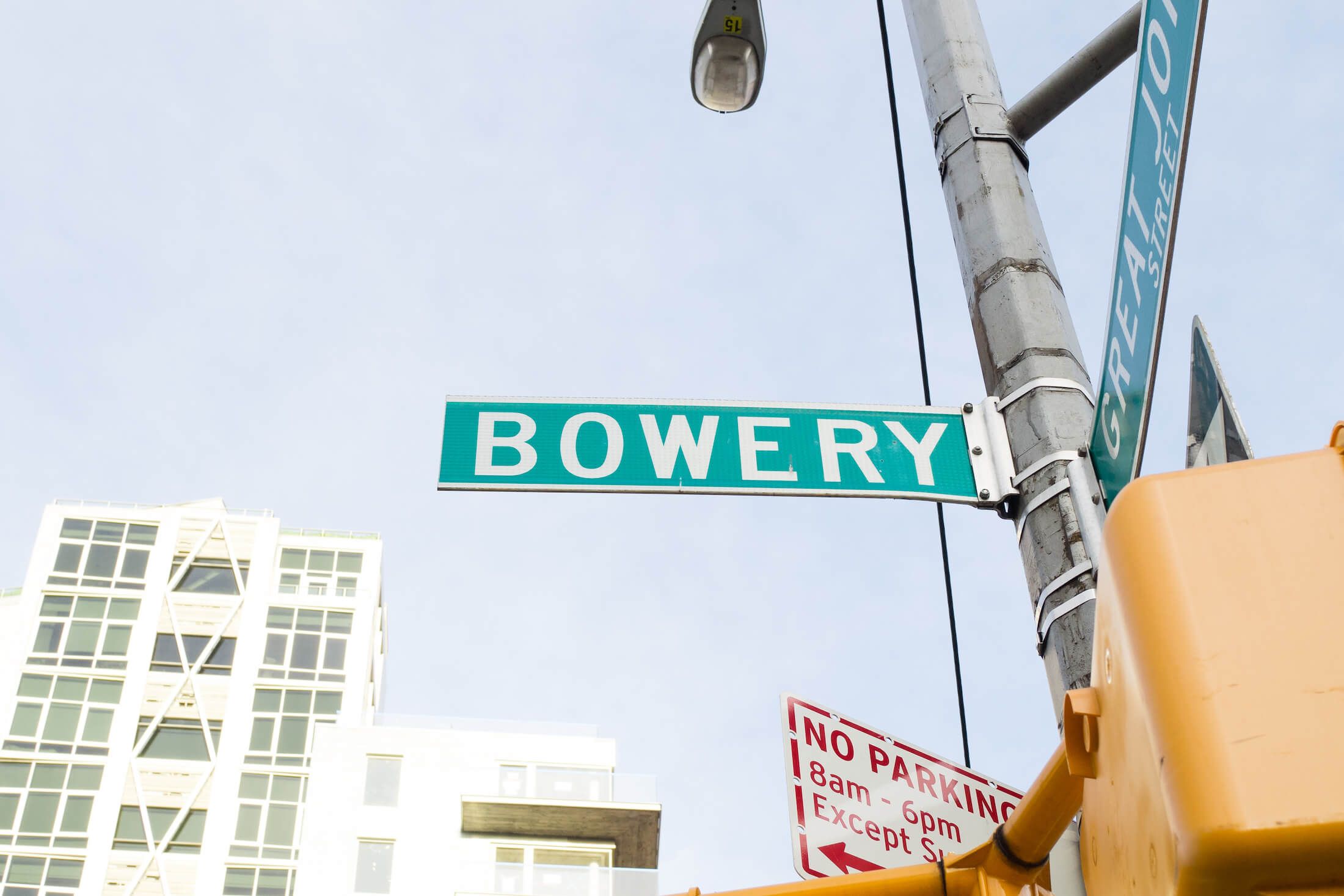
MANHATTAN NEIGHBORHOOD GUIDE
Waterfront new construction, Essex Crossing condos, and architect-led boutique buildings on the Bowery, Orchard, and Norfolk corridors.
By Anthony Guerriero, Manhattan Miami Real Estate | Updated April 2026
The Lower East Side runs from East Houston down to Canal Street, between the Bowery and the East River, and is one of Manhattan's most rapidly transformed downtown markets. Buyers compare the Lower East Side for new-development condominium pricing, value-tier downtown access, waterfront skyline towers like One Manhattan Square, and architect-driven boutique buildings around Essex Crossing, Orchard Street, and the Bowery. From sub-$1M one-bedrooms in resale buildings to trophy-tier penthouses on the East River, the Lower East Side is a building-specific market where pricing varies meaningfully by address, view exposure, and construction era.
Browse current Lower East Side listings | Schedule a buyer consultation
Mapped building benchmarks are shown at their verified street addresses across the Lower East Side market.
CURRENT INVENTORY
The preview is locked to Lower East Side for-sale inventory. It shows listing cards only; request a private shortlist for building-specific, off-market and coming-soon opportunities where available.
Public availability changes frequently. Building rules, status and listing details must be independently confirmed.
NEIGHBORHOOD CHARACTER
The Lower East Side was a first home for generations of European immigrants in the nineteenth and early twentieth centuries. That history still shapes the neighborhood: long-established food shops, tenement buildings and cultural institutions sit beside small galleries, independent restaurants and architect-led condominiums.
The contrast is the point. Buyers can move from a prewar walk-up block to Essex Crossing or an East River tower within a few minutes, but the ownership experience changes sharply. Street activity, retail below, sound exposure, staffing and the walk to transit should be evaluated as carefully as the apartment itself.
Katz's Delicatessen, the Tenement Museum and the neighborhood's smaller music and gallery venues are not decorative references; they explain why buyers choose the Lower East Side instead of a more uniform luxury district.
Inventory. The Lower East Side is one of Manhattan's most building-specific downtown markets. Pricing varies meaningfully from one address to the next depending on construction era, ceiling height, view exposure, river proximity, service level, and whether the building is a recent new-development tower or a converted prewar walk-up. The luxury depth is concentrated in a relatively small set of newer condominium buildings.
New development and waterfront towers. The Lower East Side has been one of the most rapidly transformed Manhattan submarkets, anchored by waterfront new construction along the East River and Essex Crossing on the inland side. Buildings such as One Manhattan Square trade on view exposure, full-amenity programming, and waterfront positioning, while Essex Crossing inventory trades on central downtown access and contemporary specification.
Bowery and Orchard corridor. The Bowery and Orchard Street corridor has emerged as a meaningful luxury sub-market within the Lower East Side, anchored by architect-led boutique buildings such as 215 Chrystie and 196 Orchard. These buildings appeal to buyers seeking design pedigree, lower density, and downtown cultural proximity over scale and amenity volume.
Value-tier downtown access. Beyond the trophy-tier waterfront and architect inventory, the Lower East Side remains one of the most accessible downtown entry points for buyers priced out of SoHo, the West Village, and Tribeca. Resale condominium inventory in older buildings can offer downtown access at lower per-foot pricing than comparable West Side markets.
International buyers and investors. Because much of the modern Lower East Side luxury inventory is condominium rather than co-op, the neighborhood is more accessible to international purchasers and investors than older downtown submarkets. Ownership structure, financing, taxes, closing costs, rental rules, and estate-planning considerations should still be reviewed before contract signing.
Building-by-building diligence. Lower East Side pricing is not uniform. Buyers should compare building reputation, monthly carrying costs, building reserves, service model, resale history, rental flexibility, view exposure, and long-term neighborhood positioning, not only price per square foot.
| Property Type | Typical Price Range |
|---|---|
| Studios | $500,000-$900,000 |
| 1-Bedroom | $750,000-$1.8M |
| 2-Bedroom | $1.3M-$4M |
| 3-Bedroom | $2.5M-$8M |
| Penthouse / Full-Floor | $5M-$15M+ |
Pricing varies materially by building, floor height, view exposure, outdoor space, and monthly carrying costs.
| Building | Address | Profile |
|---|---|---|
| One Manhattan Square | 252 South Street | Extell waterfront super-tall, 80 stories, full amenity package |
| 196 Orchard | 196 Orchard Street | Boutique luxury condominium |
| 242 Broome | 242 Broome Street | Essex Crossing condominium |
| 215 Chrystie | 215 Chrystie Street | Herzog & de Meuron, Ian Schrager Public Hotel-linked condo |
| The Suffolk (139 Norfolk) | 139 Norfolk Street | Contemporary new-development boutique |
| 100 Norfolk | 100 Norfolk Street | ODA-designed cantilevered boutique condo |
BUYER SNAPSHOT
| Question | Answer |
|---|---|
| Primary intent | Lower East Side apartments for sale and LES condos |
| Measured opportunity | Core terms are already at the Page 1/Page 2 threshold |
| Diligence focus | View exposure, service model, reserves, street activity and rental rules |
| Cannibalization guardrail | The old /nyc-neighborhood/ URL should resolve to this canonical guide |
The Lower East Side is already one of this site's strongest neighborhood opportunities, so this guide keeps its established focus: Essex Crossing, architect-led boutique condominiums and East River waterfront towers. The useful comparison is not old versus new alone; it is service level, view durability, carrying cost, street activity and resale depth at the specific address.
LES buyer guide
The Lower East Side is not a single-price market. Buyers compare older walk-ups and co-ops, boutique downtown condos, Essex Crossing residences and waterfront luxury towers that can behave more like a new-development market than a historic tenement market.
| Segment | What buyers usually find | Buildings and corridors to compare |
|---|---|---|
| Entry and character inventory | Walk-ups, smaller co-ops and renovated prewar apartments with fewer amenities. | Orchard, Ludlow, Rivington and blocks closer to East Village or Chinatown. |
| Boutique condo market | Elevator condos, design-led buildings and limited-service luxury with downtown scale. | 196 Orchard, 100 Norfolk, 150 Rivington and Bowery-area buildings. |
| Newer destination luxury | Larger amenity packages, waterfront or Essex Crossing convenience and deeper building services. | One Manhattan Square, 242 Broome, 215 Chrystie and The Suffolk. |
The East Village often feels more residential and student/restaurant driven, while the Lower East Side has a stronger nightlife, gallery and new-condo overlay. Compare noise, subway access and building age block by block.
Nolita and SoHo usually carry a stronger boutique-retail and cast-iron premium. The Lower East Side can offer more new inventory or larger amenity packages, especially near Essex Crossing and the waterfront.
Also compare Nolita apartments, NoHo apartments, SoHo apartments and NYC new developments.
Restaurant and nightlife corridor. The Lower East Side is one of Manhattan’s most active downtown nightlife and dining markets, with density concentrated along Orchard, Ludlow, Stanton, Rivington, and Clinton Streets. Buyers selecting LES inventory generally accept evening activity on the most active blocks in exchange for direct walk access to the corridor.
Essex Crossing and contemporary retail. Essex Crossing introduced a contemporary commercial layer to the Lower East Side, including the Market Line, Trader Joe’s, and Regal Essex Crossing, that has reshaped day-to-day amenity access for residents on the Delancey corridor and adjacent blocks.
Cultural and gallery anchors. The New Museum on Bowery, the International Center of Photography, the Tenement Museum, and a deep gallery cluster around Orchard and Ludlow Streets give the neighborhood a culturally resident character distinct from purely residential downtown submarkets.
Waterfront exposure. The East River edge along the FDR runs from East Broadway south through the Two Bridges sub-area. Waterfront-facing inventory in towers such as One Manhattan Square trades on protected view corridors and direct access to the East River Greenway.
Tenement streetscape. Outside the new-development towers and Essex Crossing core, much of the Lower East Side retains its 19th-century tenement scale. This historic streetscape supports the area’s downtown character but limits new supply to a relatively small number of architect-led boutique sites and Essex Crossing parcels.
BUILDING COMPARISON
| Building or submarket | What to evaluate |
|---|---|
| One Manhattan Square | Waterfront tower with extensive amenities; compare view, tax and carrying-cost profile |
| 242 Broome | Essex Crossing condominium; compare line, exposure and transit proximity |
| 196 Orchard | Boutique condominium on an active corridor; compare sound and service |
| 215 Chrystie | Design-led, low-density ownership near the Bowery |
| 100 Norfolk | Architectural boutique condominium with a distinct cantilevered form |
The Lower East Side sits at the meeting point of several distinct downtown submarkets. Buyers comparing the Lower East Side typically weigh it against three or four neighbors with overlapping but very different profiles.
East Houston Street is the line. The East Village is more residential-tenement and restaurant-driven, with a denser mix of older walk-ups and lower-density inventory. The Lower East Side reads as more new-development and skyline-changing, with significant condominium depth around Essex Crossing, the Bowery, and the East River waterfront.
Canal Street is the line. Chinatown is more compressed, mixed-use, and historically tenement-driven, with a lower share of luxury condominium inventory. The Lower East Side offers more new-construction depth and a stronger luxury-condo profile, especially north of Grand Street and along the river edge.
Two Bridges is effectively a waterfront sub-area at the southern edge of the Lower East Side. It sits closer to the East River along Cherry, South, and Madison Streets, and is dominated by tall waterfront towers. Most buyers shopping Two Bridges will also be comparing One Manhattan Square and other Lower East Side waterfront inventory.
The Bowery is the line. NoLita is more compact, boutique-retail-oriented, and built around lower-density prewar inventory at higher per-foot pricing. The Lower East Side is broader, deeper, and more new-development-heavy, with a wider price range and more building variety from sub-$1M resale to trophy-tier penthouses.
BUYER DUE DILIGENCE
Essex Crossing introduced newer condominium and daily-service options around Delancey Street. Buyers should compare transit access and convenience with street activity, building scale, common charges and the resale evidence for the specific line.
One Manhattan Square and nearby waterfront inventory trade on views and amenity volume. Confirm the view corridor, distance to the neighborhood core, service costs, tax treatment and the practical walk to transit rather than treating all river-facing homes as equivalent.
Architect-led boutique buildings offer lower density and a closer connection to the neighborhood's cultural blocks. Compare acoustic exposure, retail below, staffing, reserves, elevator service and the liquidity of an unusually small resale pool.
BUYER QUESTIONS
Older resales can offer a lower entry point, but premium new developments and waterfront penthouses form a separate tier. Compare like-for-like building age, services, condition and carrying costs.
Buyers often compare One Manhattan Square, 242 Broome, 196 Orchard, 215 Chrystie and 100 Norfolk. Each has a different location, scale and service proposition.
It offers modern construction, transit and daily conveniences. Buyer fit depends on line, street exposure, common charges, resale evidence and tolerance for the Delancey corridor's activity.
Two Bridges is commonly treated as a distinct waterfront sub-area at the southern edge. This guide discusses relevant waterfront inventory while keeping Chinatown and the East Village separate.
PRIVATE BUYER REPRESENTATION
Tell us your budget, timing, intended use and preferred property type. We will compare suitable public inventory with relevant private opportunities and flag carrying costs, rules and address-specific risk.
Request my private shortlistEvery engagement begins with a private discussion, objectives, timing, tax posture.
No obligation. Typically replied to within one business day.
Current asking prices and new listings the moment they hit the market.
Replies within one business day · buyers from 30+ countries