 Completed
精選
Completed
精選
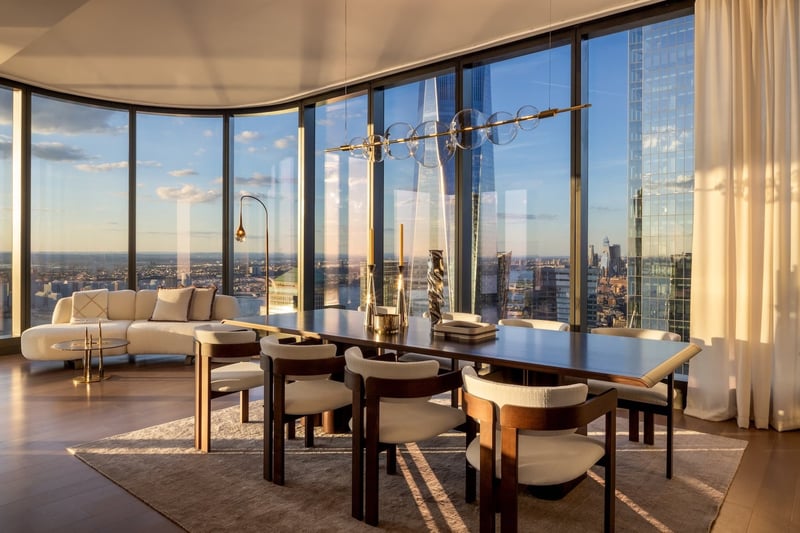
220 Central Park South
118 Residences · By Vornado Realty Trust

曼哈頓最負盛名的豪華共管公寓,從標誌性的 Billionaires' Row 大樓到 Tribeca 閣樓與全新開發項目
Completed
精選
118 Residences · By Vornado Realty Trust
 Completed
精選
Completed
精選
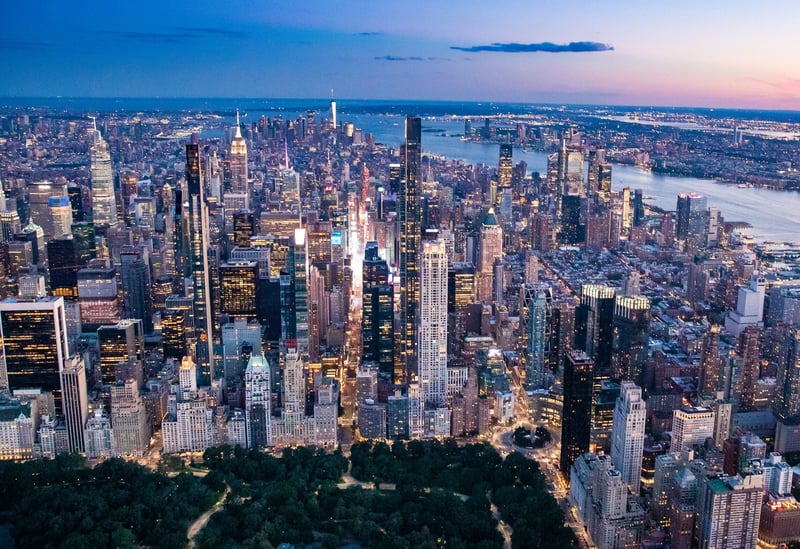
272 Residences · By Bizzi & Partners
 Completed
精選
Completed
精選
179 Residences · By Extell Development Company
 Completed
精選
Completed
精選
566 Residences · By Macklowe Properties
 Completed
精選
Completed
精選
375 Residences · By Dajia Insurance Group
 pre-construction
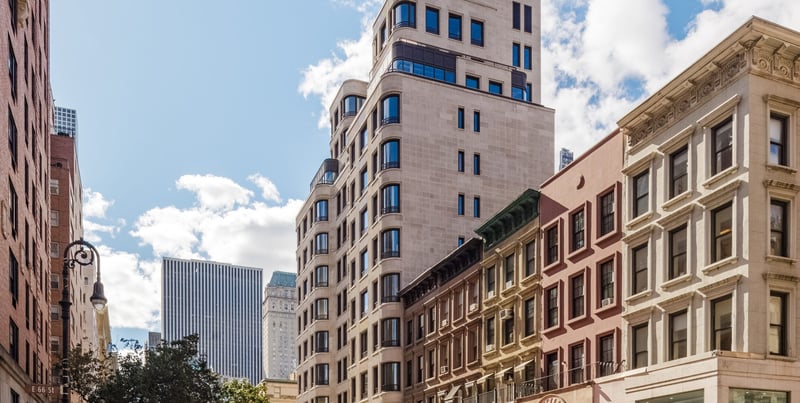
112 Residences · By Zeckendorf Development and Atlas Capital Group
 pre-construction
10 Residences · By SL Green Realty Corp.
 under-construction
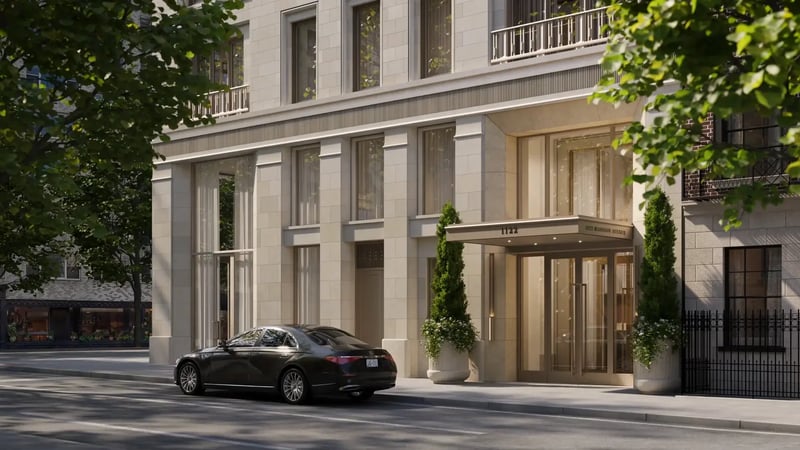
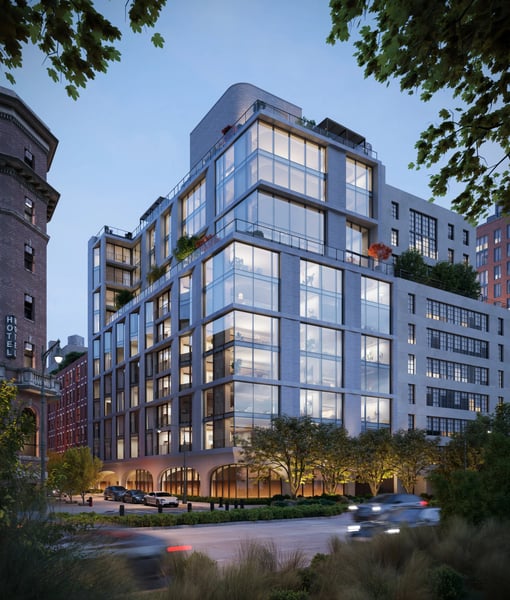
26 Residences · By Legion Investment Group and Nahla Capital
 under-construction
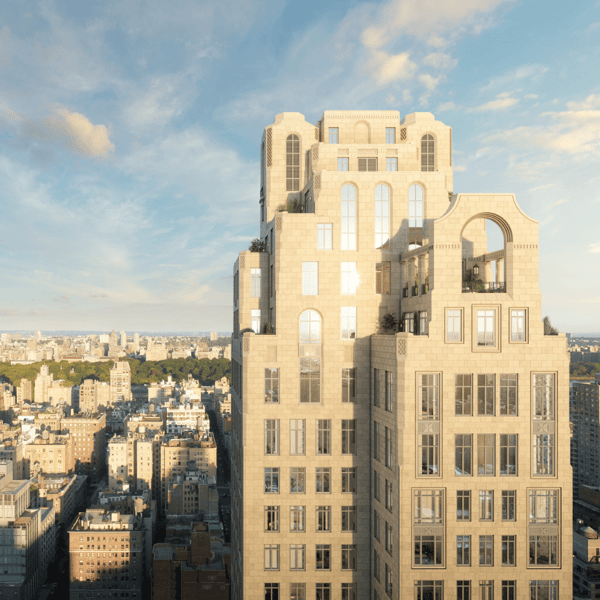
14 Residences · By Aurora Capital Associates
 under-construction
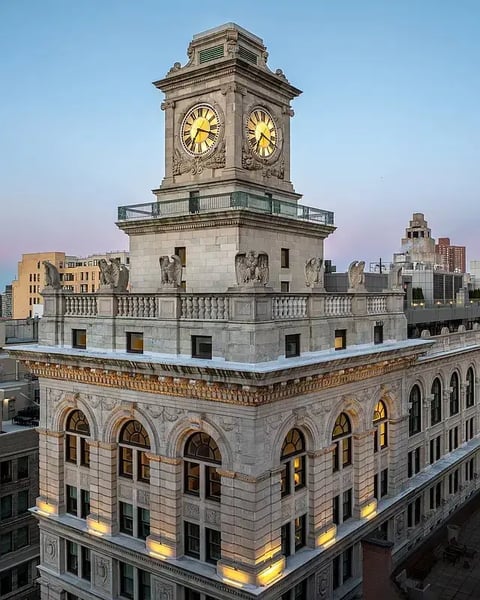
62 Residences · By Naftali Group
 Completed
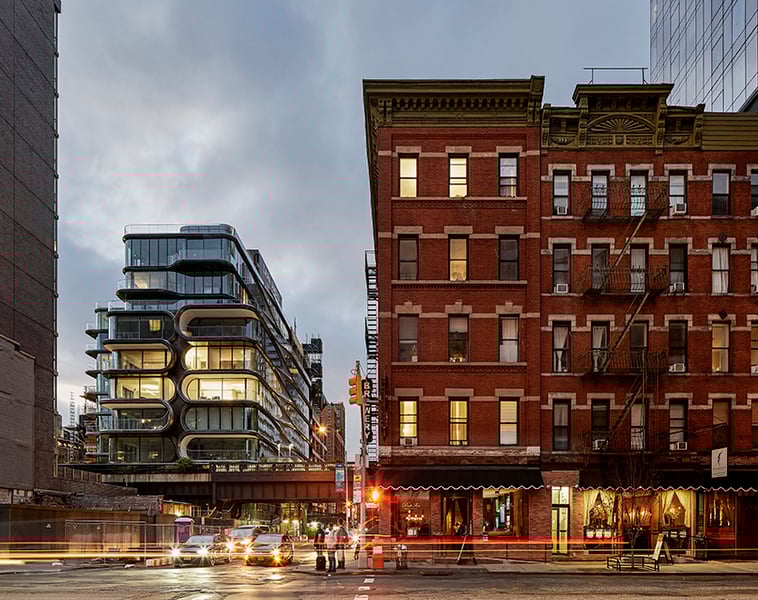
166 Residences · By Elad Group & Peebles Corporation
 Completed
39 Residences · By Related Companies
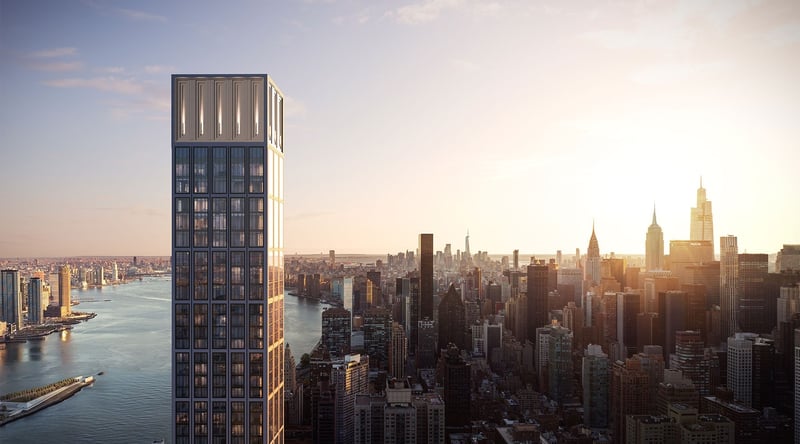 Completed
120 Residences · By Gamma Real Estate / JVP Management
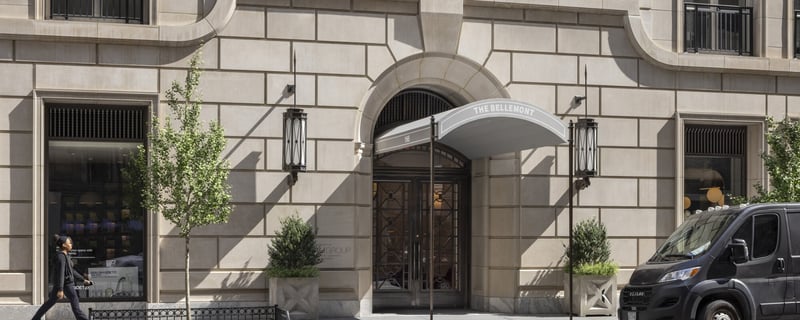 Completed
12 Residences · By Naftali Group
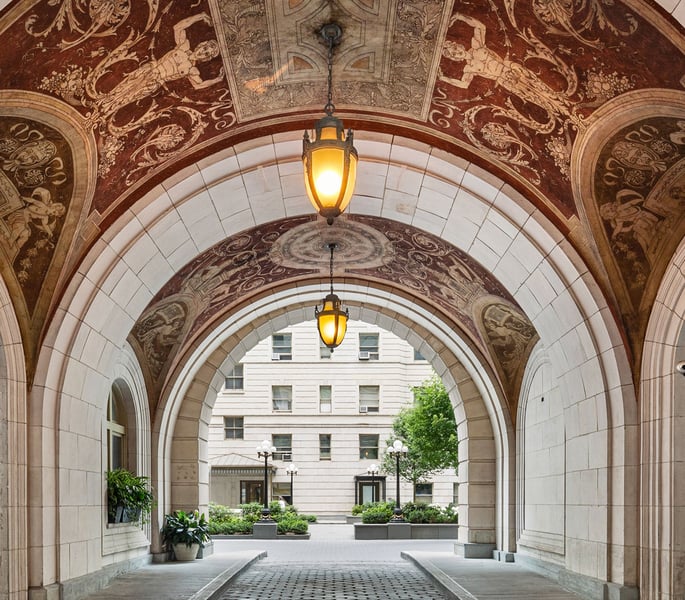 Completed
215 Residences · By HFZ Capital Group
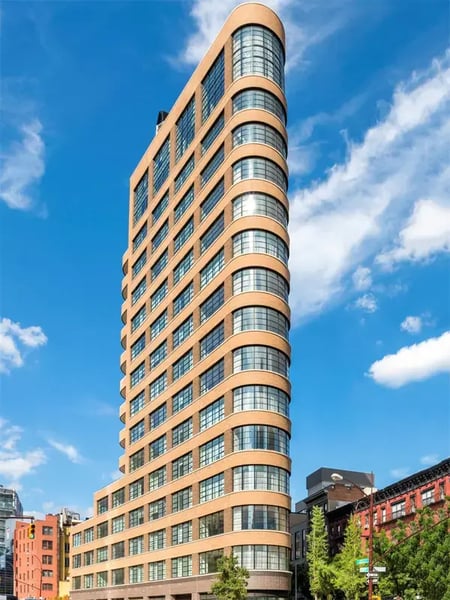 Completed
20 Residences · By Madison Equities & Property Markets Group (PMG)
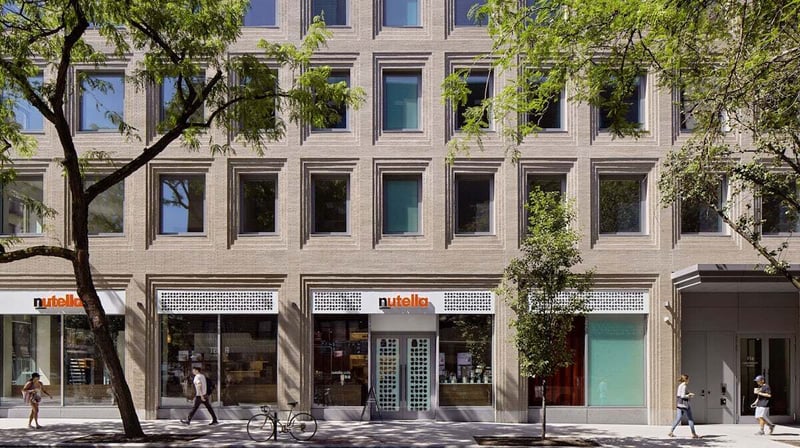 Completed
5 Residences · By Ranger Properties & Sagamore Capital
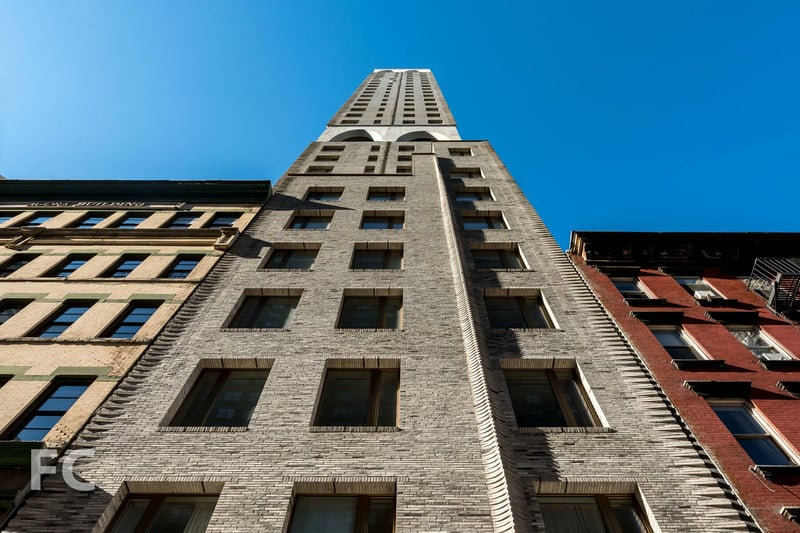 Completed
48 Residences · By DDG
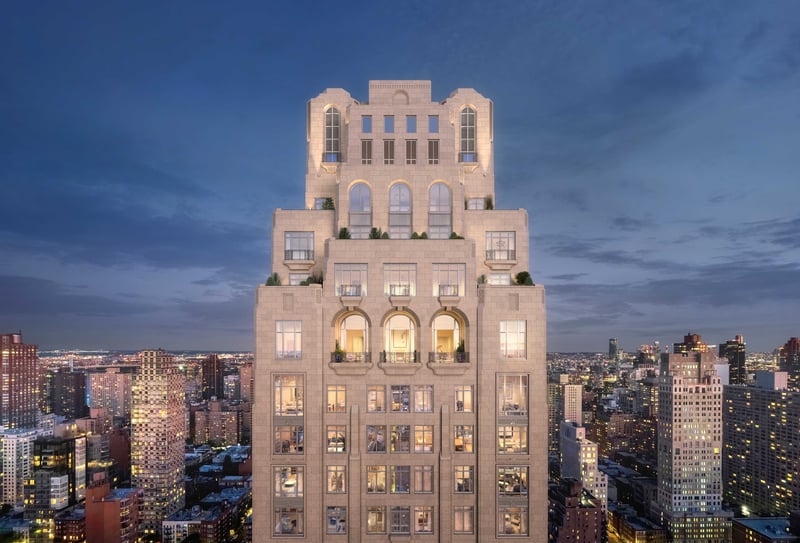 Completed
86 Residences · By Naftali Group & Rockefeller Group
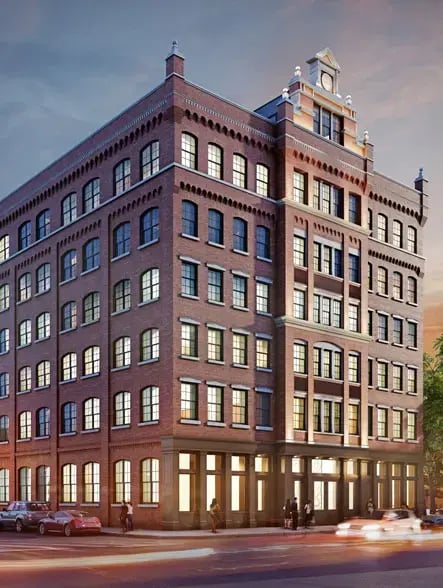 Completed
20 Residences · By Stillman Development
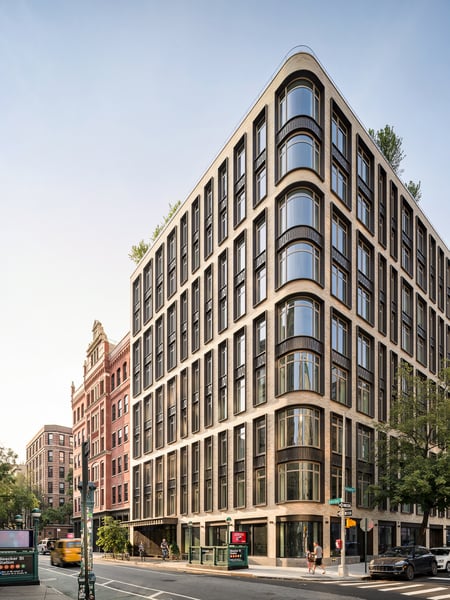 Completed
61 Residences · By Broad Street Development
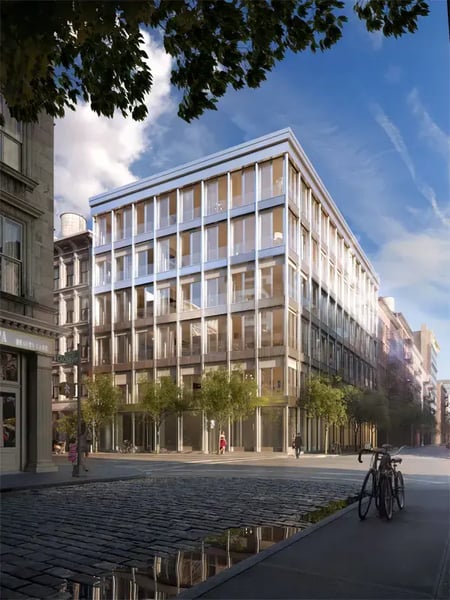 Completed
10 Residences · By Atlas Capital Group
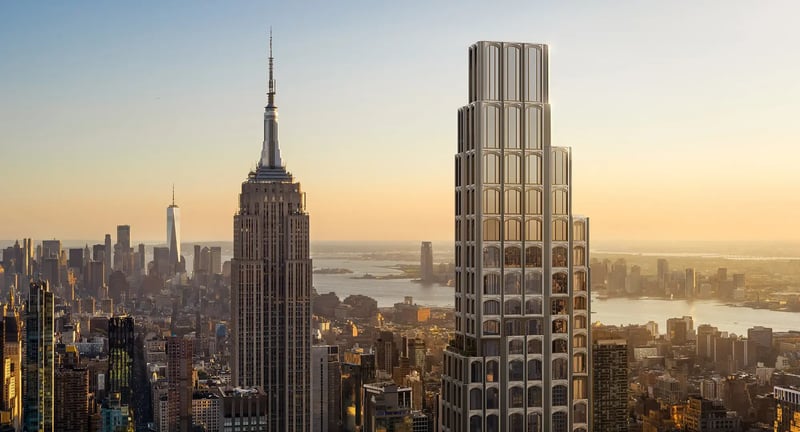 Completed
100 Residences · By Rabina
 Completed
60 Residences · By JDS Development Group
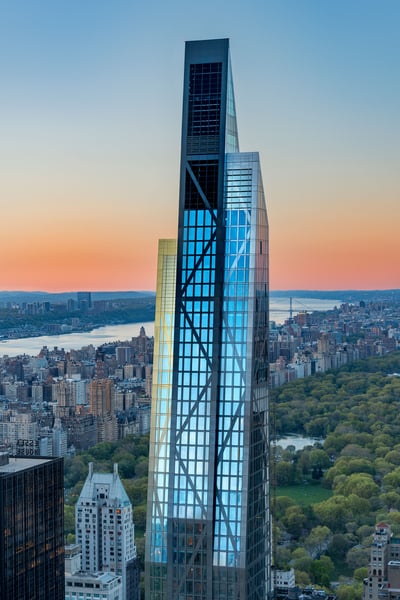 Completed
145 Residences · By Hines / Goldman Sachs
 Completed
33 Residences · By Zeckendorf Development
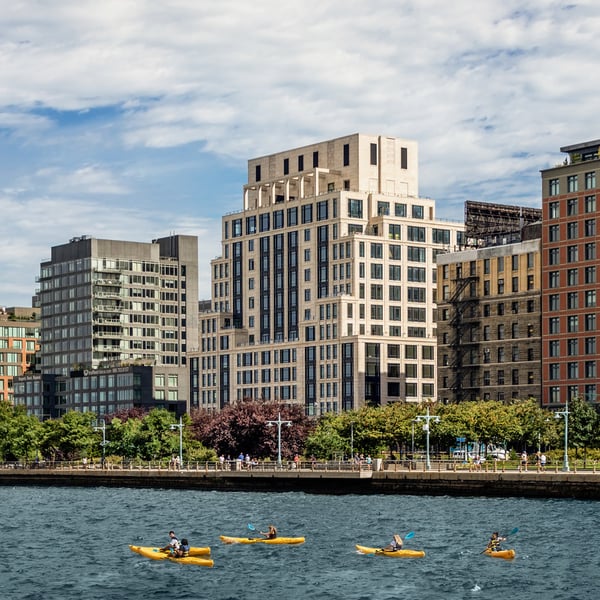 Completed
46 Residences · By Related Companies
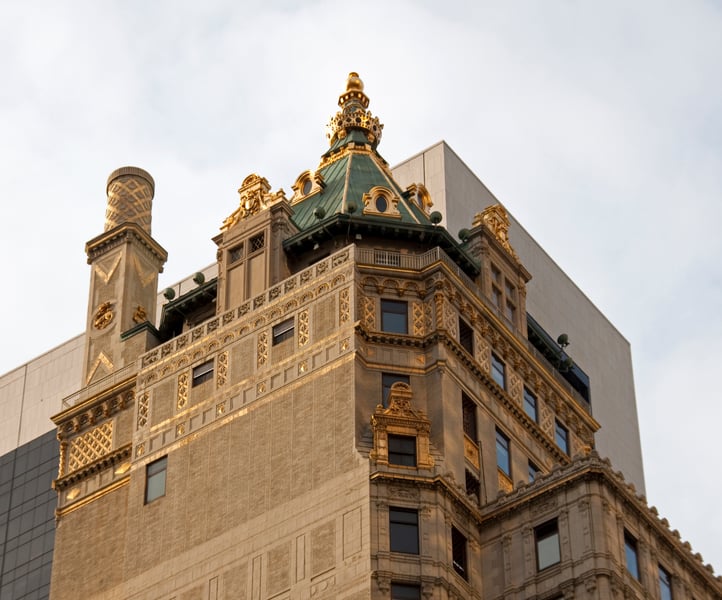 Completed
22 Residences · By OKO Group
 Completed
127 Residences · By Extell Development
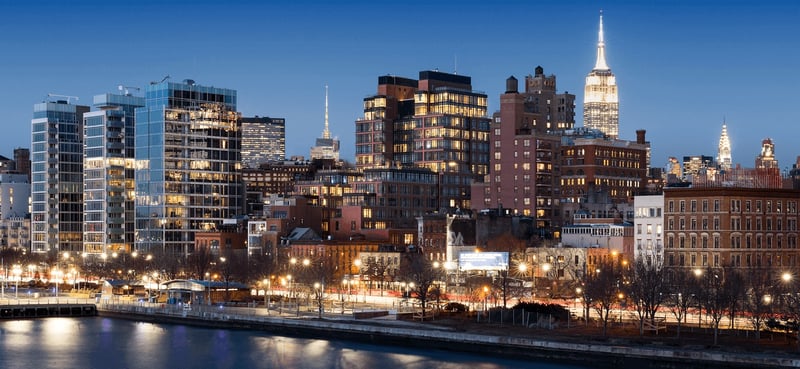 Completed
91 Residences · By Witkoff Group & New Valley
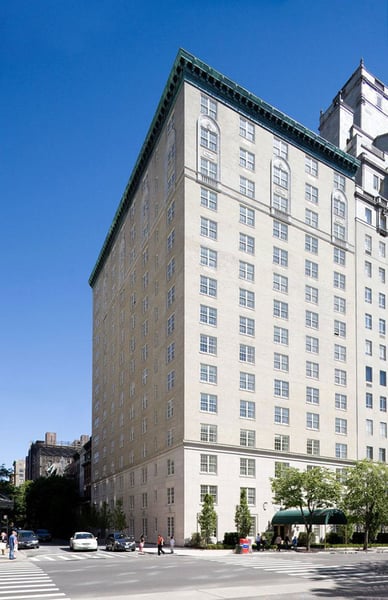 Completed
30 Residences · By 995 Fifth Avenue LLC
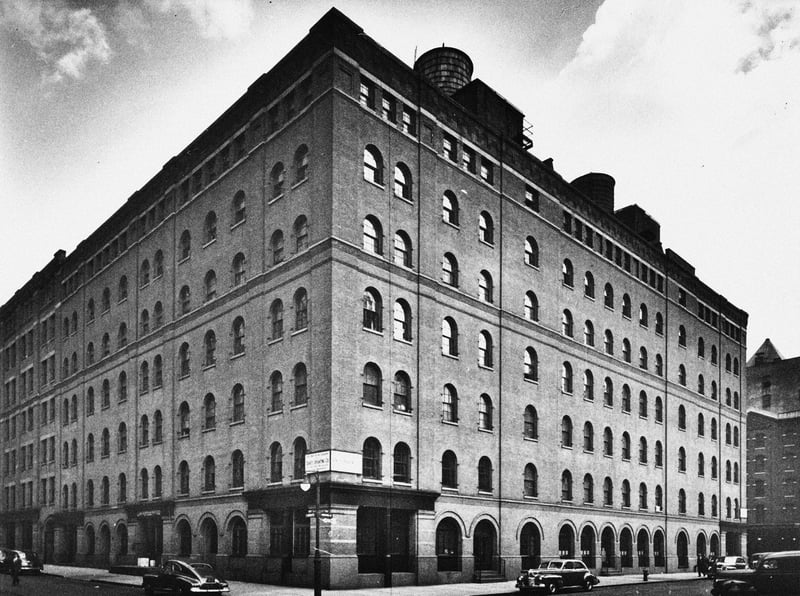 Completed
53 Residences · By Nathan Berman, Metro Loft Management
 Completed
51 Residences · By Related Companies, HFZ Capital Group and CIM Group
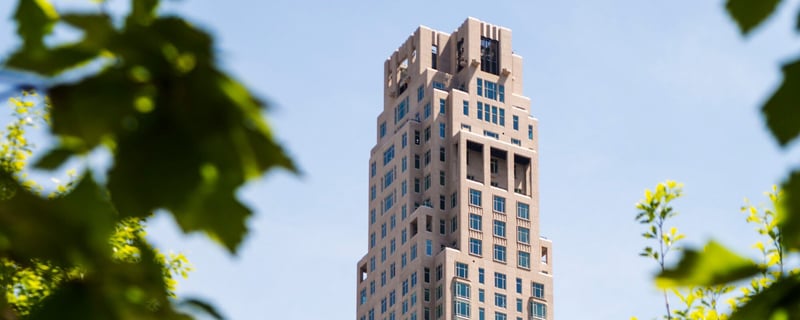 Completed
157 Residences · By Silverstein Properties
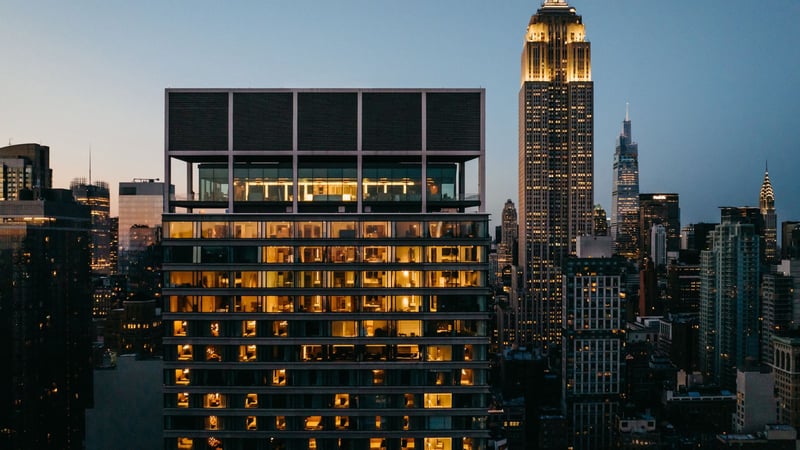 Completed
116 Residences · By Flag Luxury Group and Bizzi & Partners
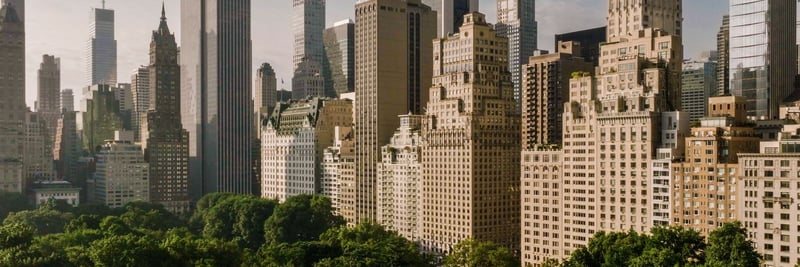 Completed
50 Residences · By Alchemy Properties
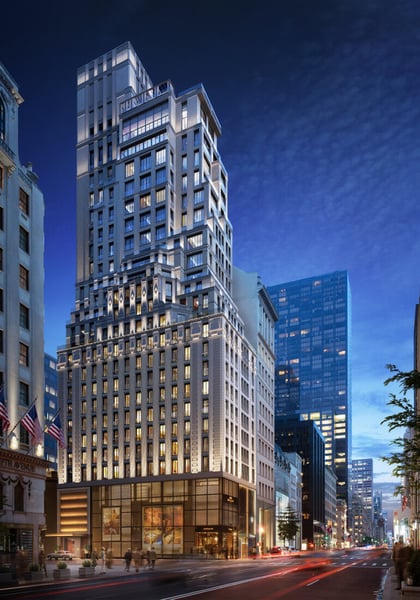 under-construction
69 Residences · By Mandarin Oriental
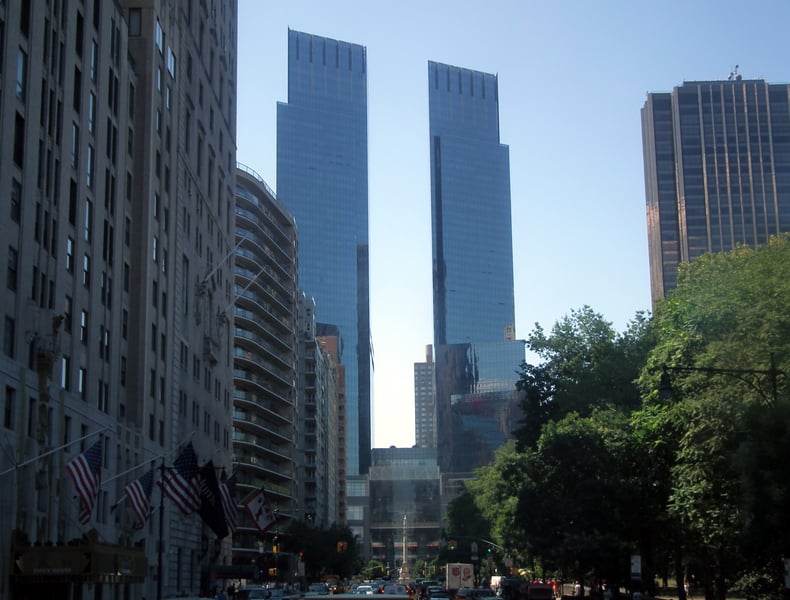 Completed
133 Residences · By Related Companies and Apollo Real Estate Advisors
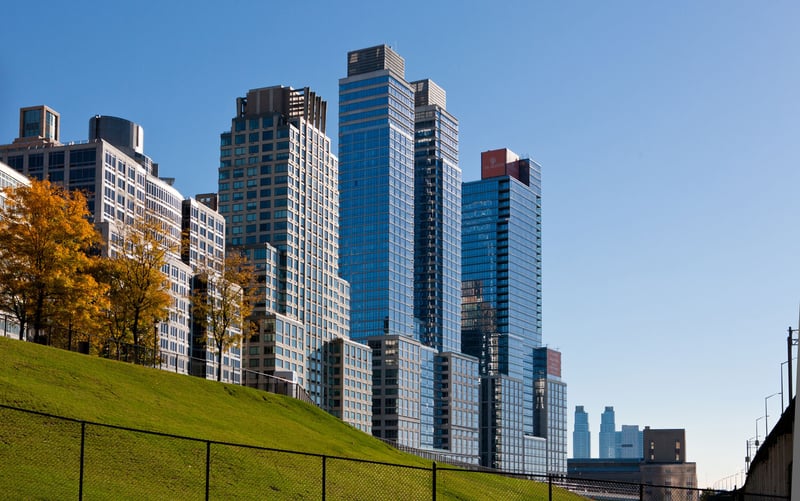 Completed
285 Residences · By Extell Development Company
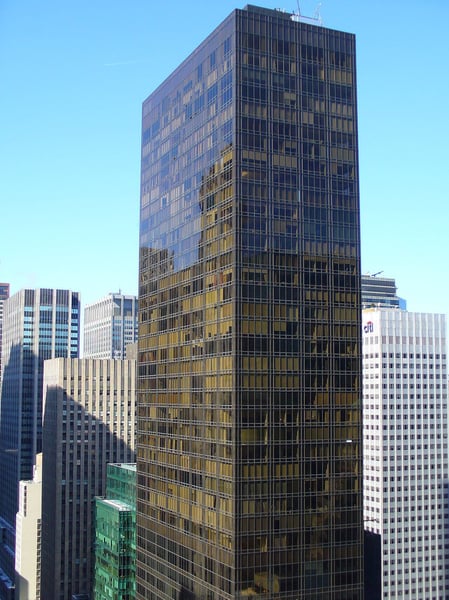 Completed
225 Residences · By Arlen Realty & Olympic Airways
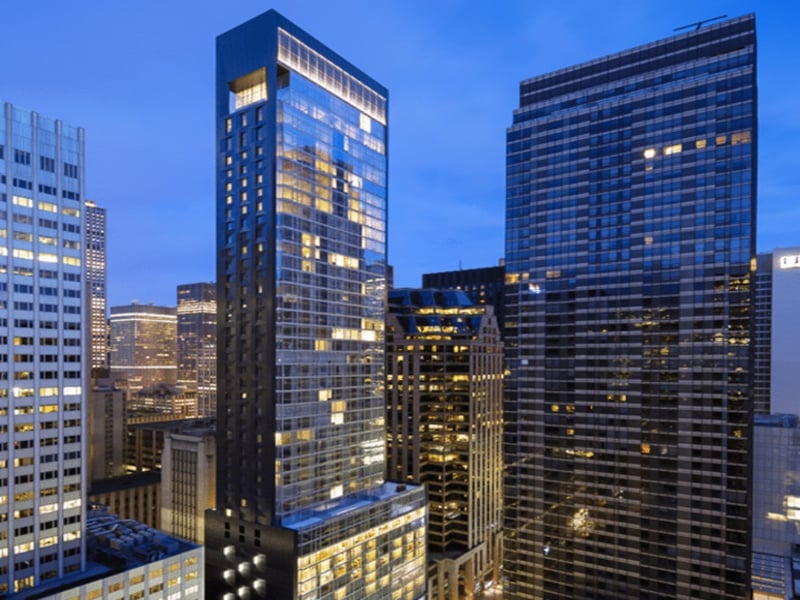 Completed
61 Residences · By Starwood Capital Group and Tribeca Associates
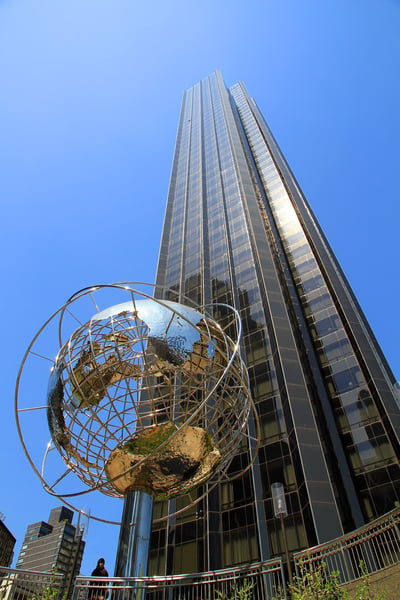 Completed
156 Residences · By The Trump Organization, General Electric Pension Trust and Galbreath Company
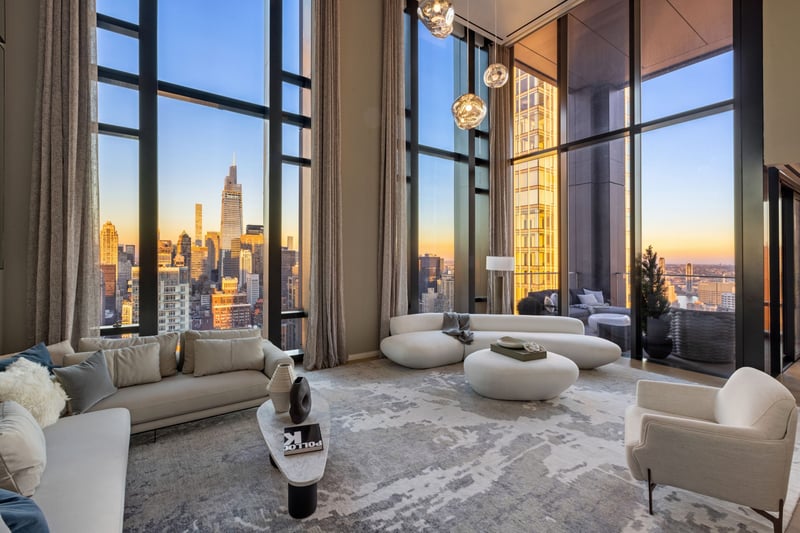 Completed
130 Residences · By Victor Group and Lendlease
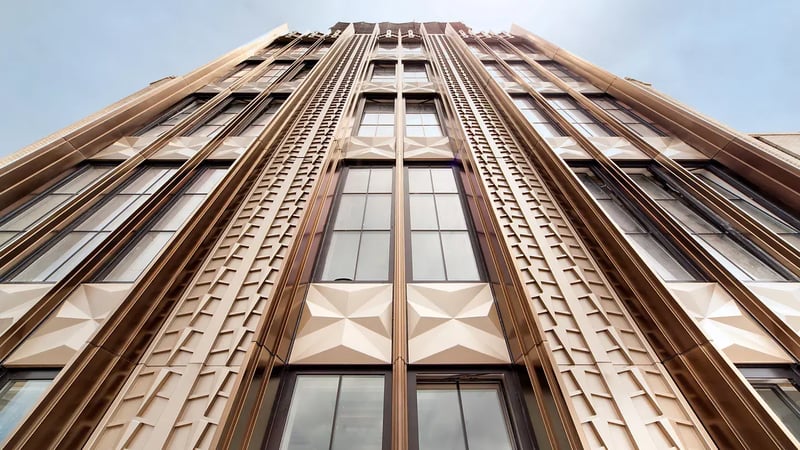 Completed
47 Residences · By JDS Development Group
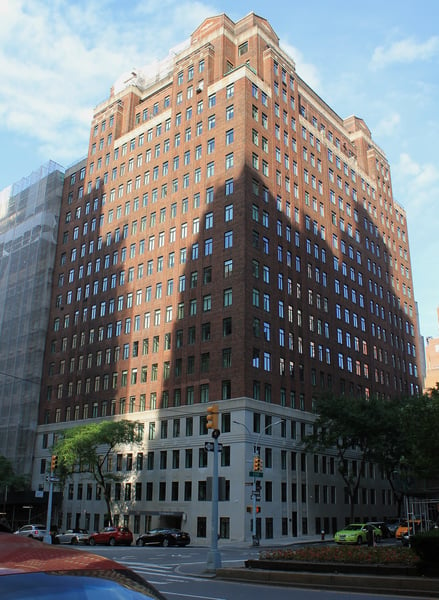 Completed
60 Residences · By Macklowe Properties
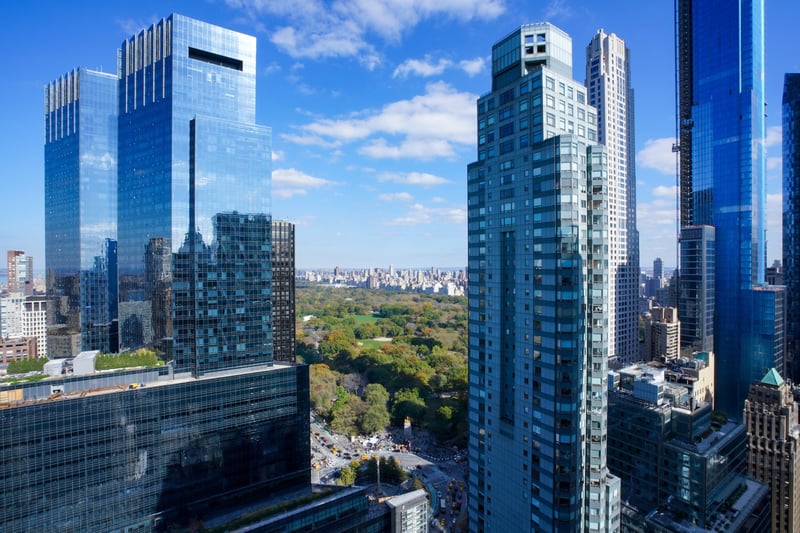 Completed
583 Residences
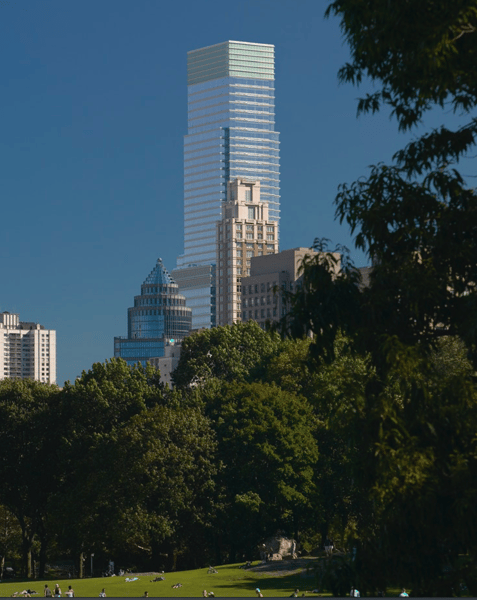 Completed
105 Residences · By Vornado Realty Trust
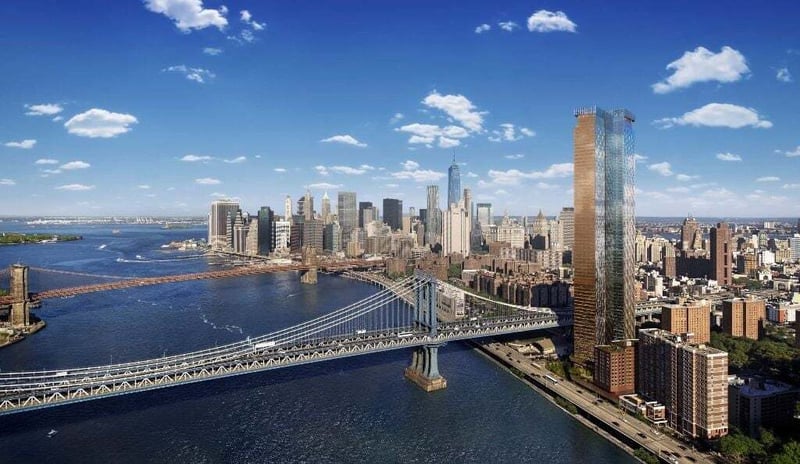 Completed
815 Residences · By Extell Development Company
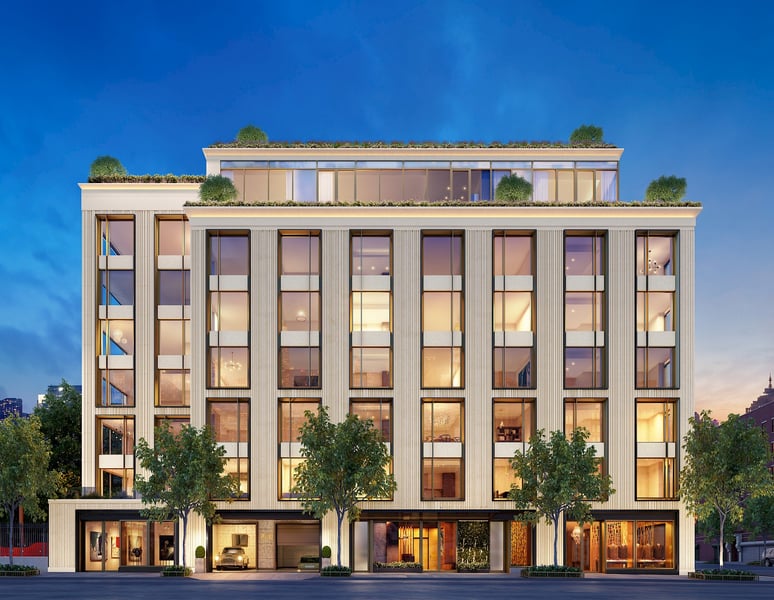 Completed
35 Residences · By DHA Capital / AMS Acquisitions
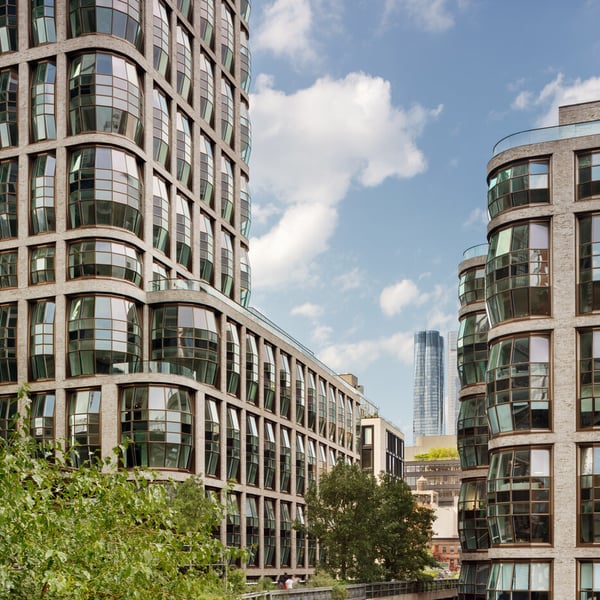 Completed
181 Residences · By Related Companies
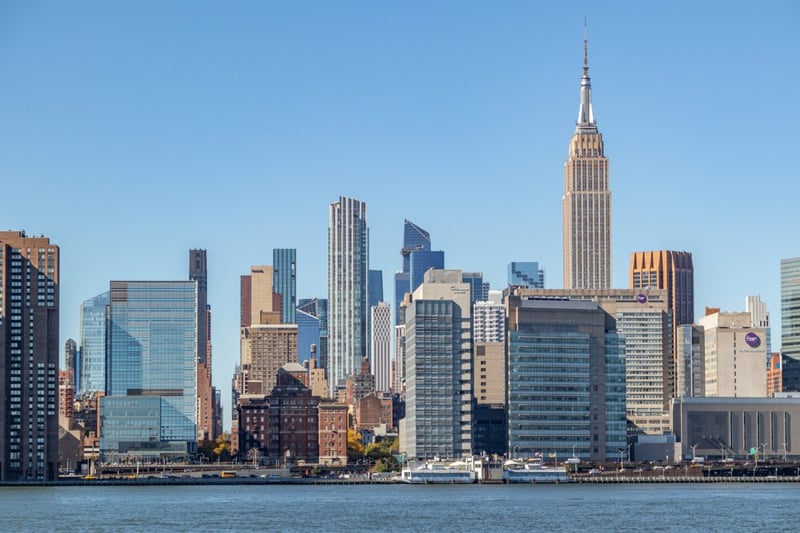 Completed
199 Residences · By Fosun Group & J.D. Carlisle
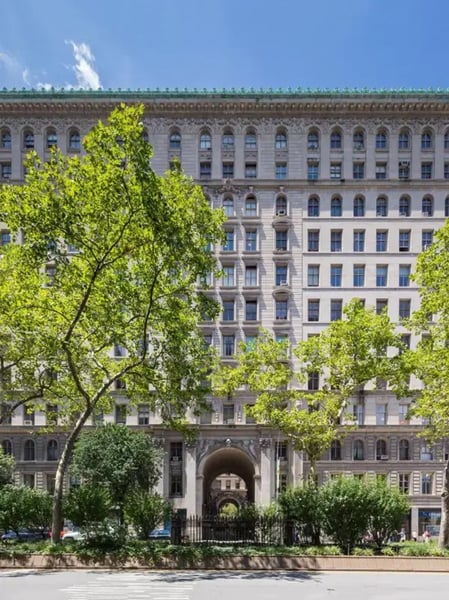 Completed
163 Residences · By William Waldorf Astor / Area Property Partners
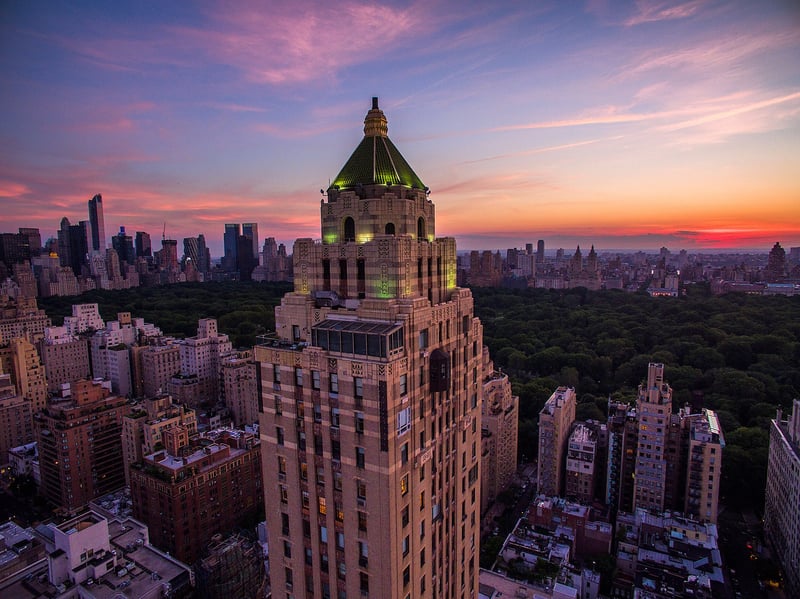 Completed
60 Residences · By Moses Ginsberg / Rosewood Hotels
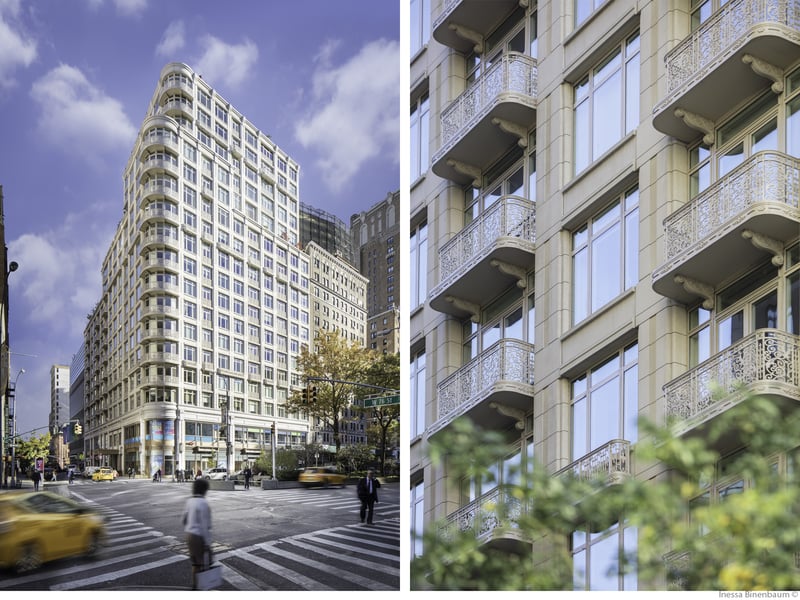 Completed
71 Residences · By The Stahl Organization
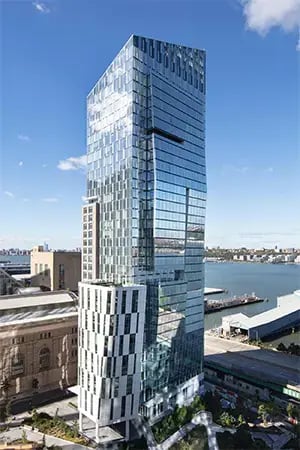 Completed
263 Residences · By GID Development Group
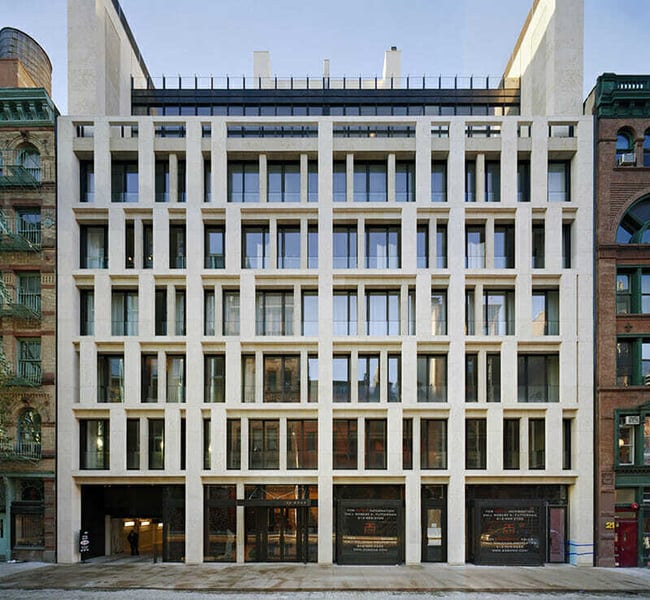 Completed
10 Residences · By Goldman Properties (Tony Goldman)
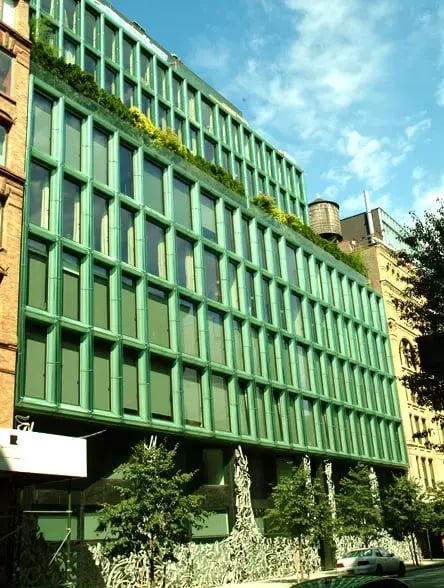 Completed
33 Residences · By Ian Schrager / RFR Realty
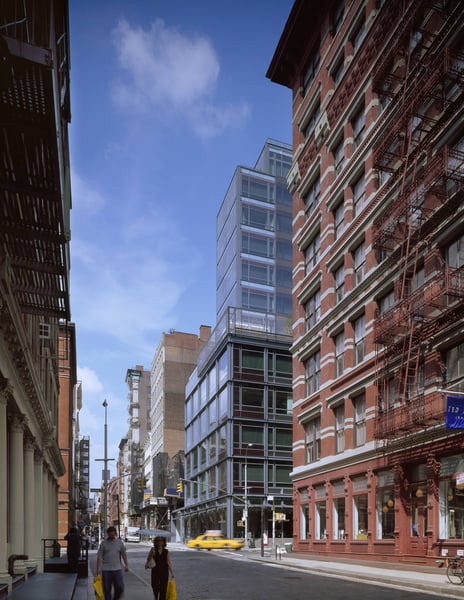 Completed
40 Residences · By Andre Balazs / Hines
 Completed
219 Residences · By Gamma Real Estate
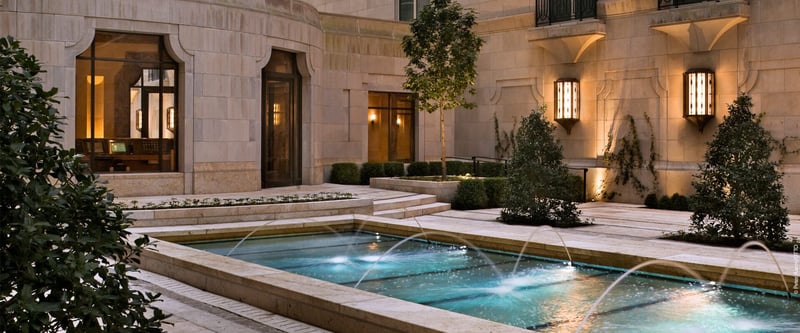 Completed
202 Residences · By Zeckendorf Development
 Completed
131 Residences · By Glacier Equities & InterVest Capital Partners
 Completed
191 Residences · By Navigation Capital Group
 Completed
92 Residences · By Extell Development Company
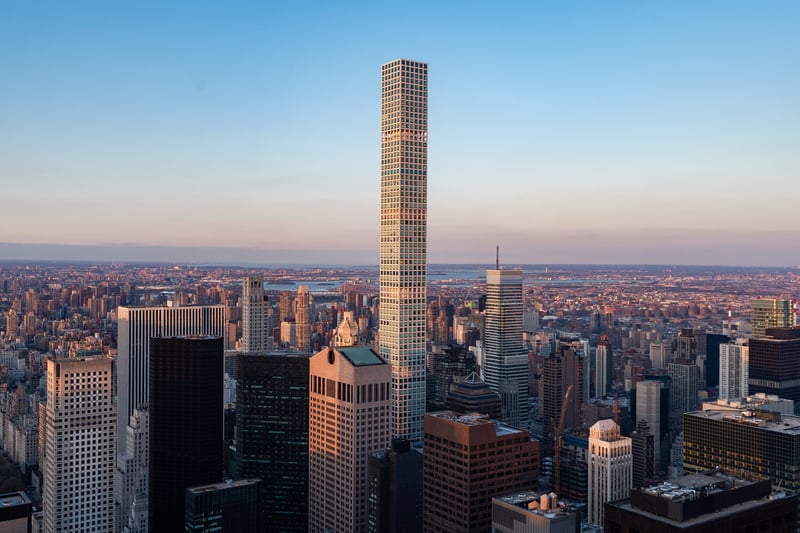 Completed
125 Residences · By CIM Group & Macklowe Properties
 Completed
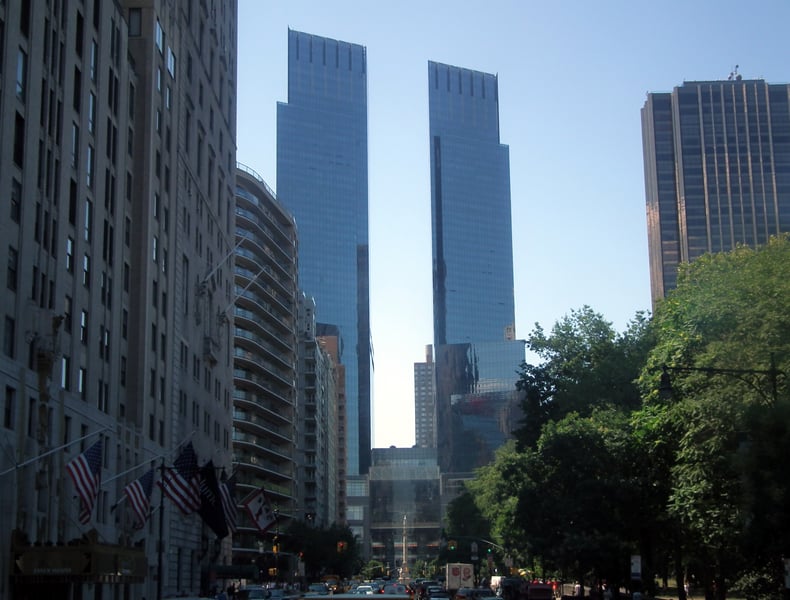
145 Residences · By Hines / Alexico Group
 Completed
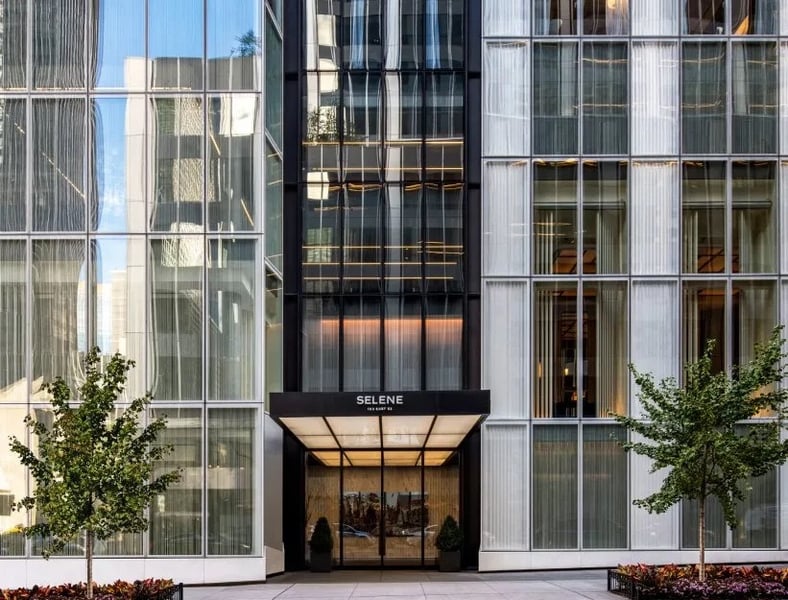
198 Residences · By Related Companies and Apollo Global Management
 Completed
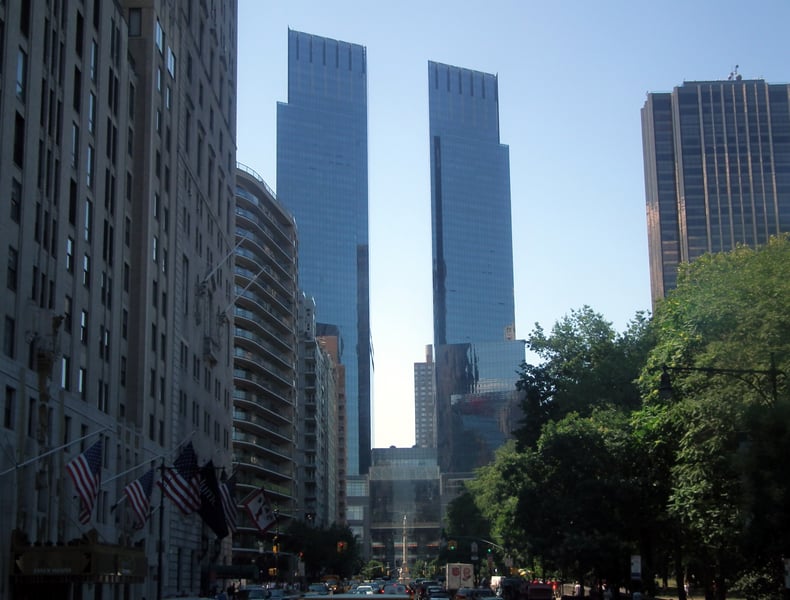
94 Residences · By Vanke US / RFR
 Completed
66 Residences · By Mandarin Oriental
 Completed
285 Residences · By Related Companies
 Completed
143 Residences · By Related Companies & Oxford Properties
 Completed
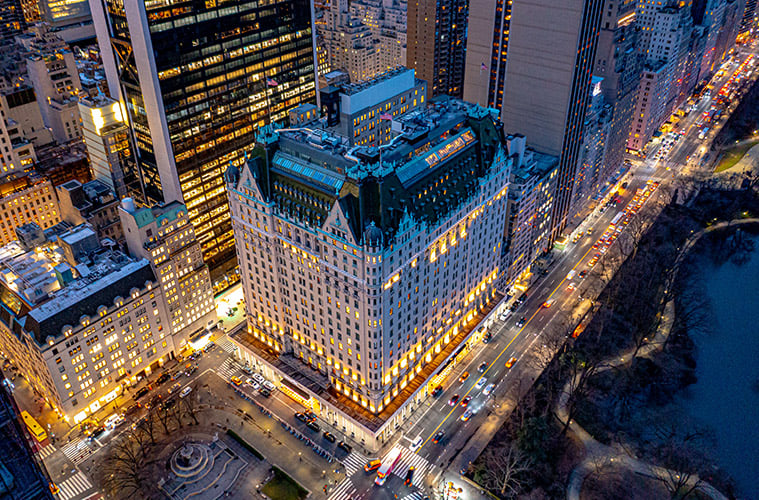
199 Residences · By Rudin Management and Global Holdings
 Completed
181 Residences · By El Ad Properties
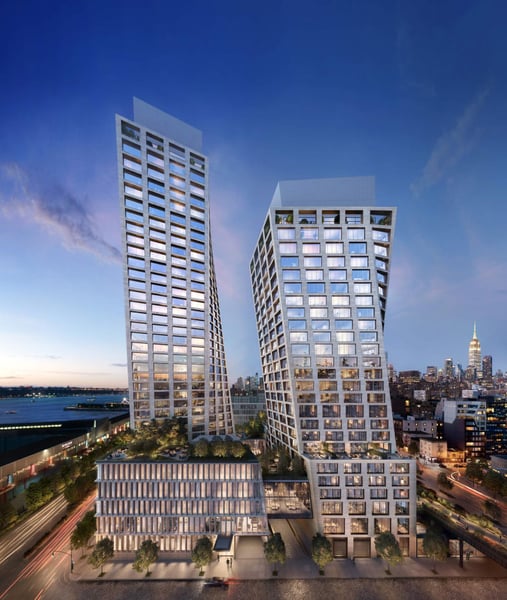 Completed
236 Residences · By Witkoff and Access Industries
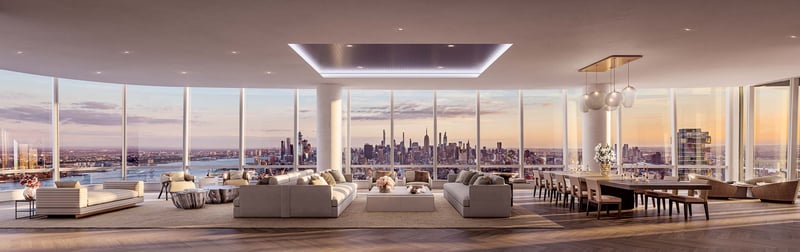 Completed
157 Residences · By Fisher Brothers and Witkoff Group
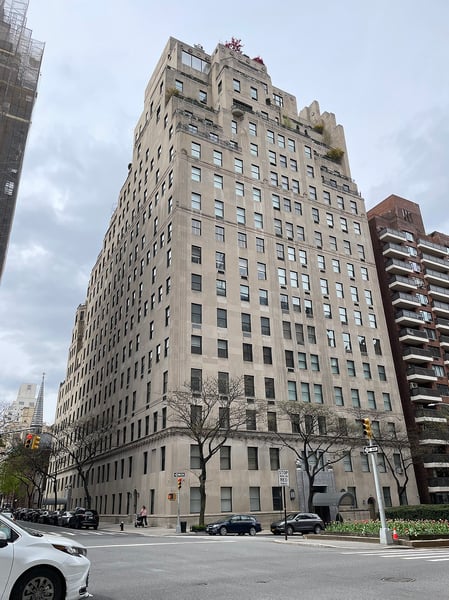 Completed
31 Residences · By James T. Lee and Jacqueline Bouvier's grandfather
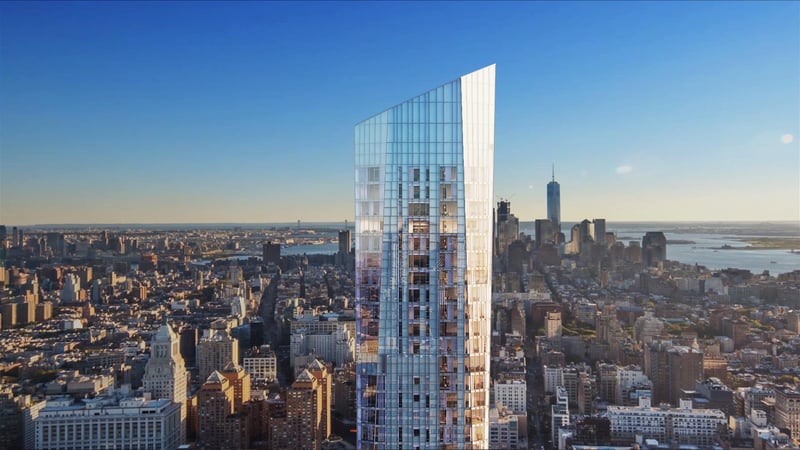 Completed
83 Residences · By KSK Construction Group
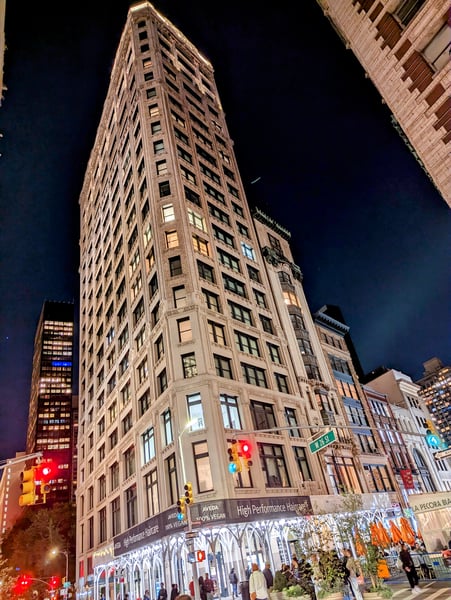 Completed
48 Residences · By Madison Equities and Thor Equities
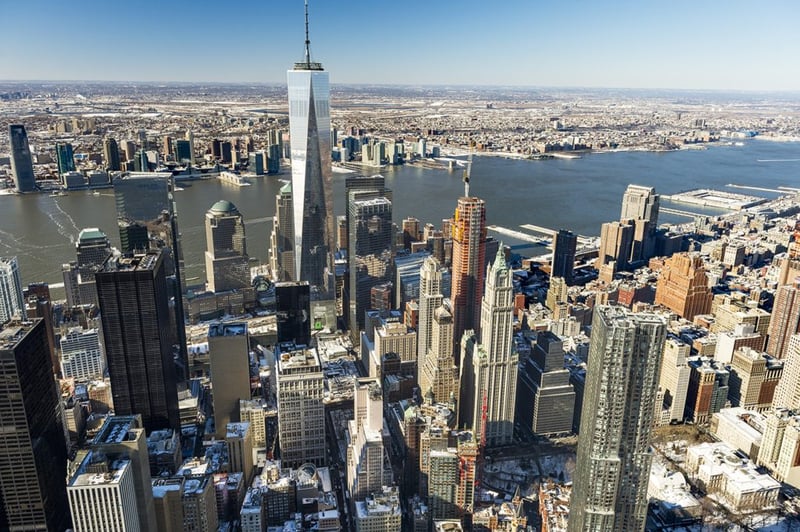 Completed
33 Residences · By Alchemy Properties
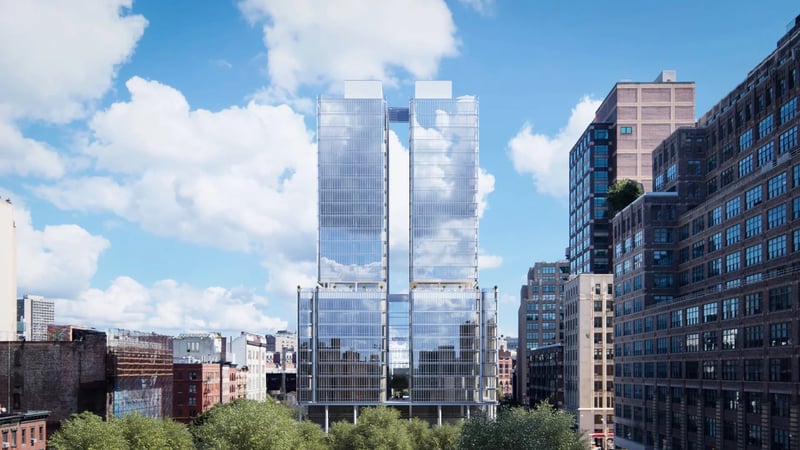 Completed
115 Residences · By Bizzi & Partners
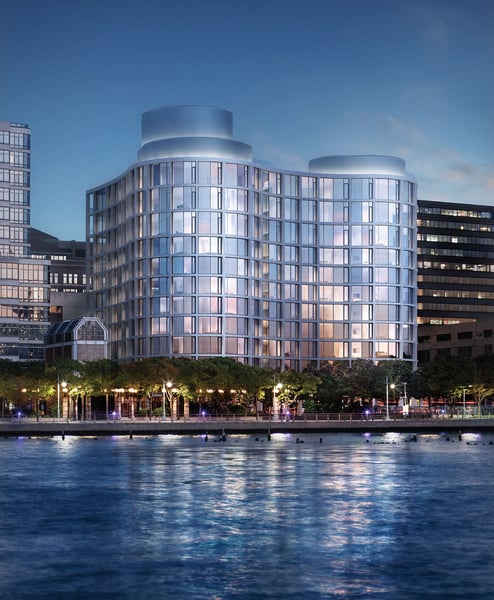 Completed
49 Residences · By Ian Schrager and Witkoff Group
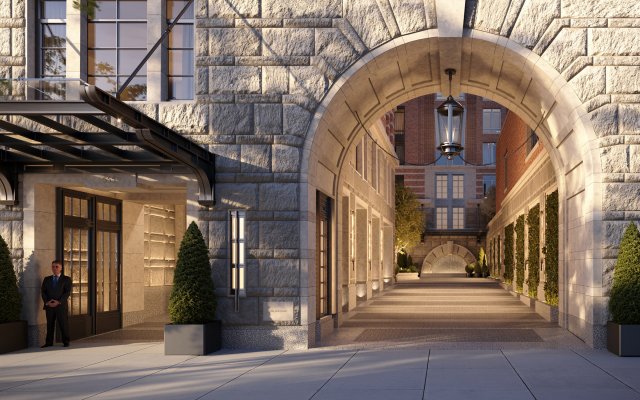 Completed
144 Residences · By Related Companies & Mitsui Fudosan America
Luxury Condos NYC 地區最受矚目預售豪宅的預估交屋時間
| 項目 | 地點 | 開發商 | 狀態 | 預計完工 |
|---|---|---|---|---|
| 80 Clarkson | West Village | Zeckendorf Development and Atlas Capital Group | pre-construction | 2026 |
| 760 Madison | Upper East Side | SL Green Realty Corp. | pre-construction | 2025 |
| 1122 Madison Avenue | Upper East Side | Legion Investment Group and Nahla Capital | under-construction | 2027 |
| 140 Jane Street | West Village | Aurora Capital Associates | under-construction | 2026 |
| 255 East 77th Street | Upper East Side | Naftali Group | under-construction | 2026 |
| Mandarin Oriental Residences, Fifth Avenue | Midtown | Mandarin Oriental | under-construction | 2023 |
| Monogram New York | Midtown East | Navigation Capital Group | Completed | 2027 |
| 520 Fifth Avenue | Midtown | Rabina | Completed | 2026 |
| 50 West 66th Street | Upper West Side | Extell Development | Completed | 2026 |
| Waldorf Astoria Residences New York | Midtown East | Dajia Insurance Group | Completed | 2025 |
| Selene New York | Midtown East | Vanke US / RFR | Completed | 2025 |
| The Greenwich by Rafael Viñoly | Financial District | Bizzi & Partners | Completed | 2024 |
| 720 West End Avenue | Upper West Side | Glacier Equities & InterVest Capital Partners | Completed | 2024 |
| Sutton Tower | Sutton Place | Gamma Real Estate / JVP Management | Completed | 2023 |
| The Bellemont | Carnegie Hill | Naftali Group | Completed | 2023 |
| One Wall Street | Financial District | Macklowe Properties | Completed | 2023 |
| One High Line | Chelsea | Witkoff and Access Industries | Completed | 2023 |
| 995 Fifth Avenue | Upper East Side | 995 Fifth Avenue LLC | Completed | 2023 |
| The Ritz-Carlton Residences New York NoMad | NoMad | Flag Luxury Group and Bizzi & Partners | Completed | 2023 |
| Madison House | NoMad | Fosun Group & J.D. Carlisle | Completed | 2022 |
| 200 East 83rd Street | Upper East Side | Naftali Group & Rockefeller Group | Completed | 2022 |
| Aman New York | Midtown | OKO Group | Completed | 2022 |
| The Cortland | West Chelsea | Related Companies & Mitsui Fudosan America | Completed | 2022 |
| Lantern House | West Chelsea | Related Companies | Completed | 2021 |
| The West Residence Club | Hell's Kitchen | Gamma Real Estate | Completed | 2021 |
| Central Park Tower | Billionaires' Row | Extell Development Company | Completed | 2021 |
| 111 West 57th Street | Billionaires' Row | JDS Development Group | Completed | 2021 |
| 180 East 88th Street | Carnegie Hill | DDG | Completed | 2020 |
預計完工日期僅供參考,可能有所變動。如需最新項目資訊,歡迎聯絡我們。
憑藉超過 20 年的專業經驗,我們是您在 Luxury Condos NYC 地區最頂級預售機會上值得信賴的顧問夥伴。
與開發商的直接關係,讓我們的客戶得以取得 Friends & Family 定價、優先挑選物件,以及不對外公開的專屬優惠條件。
超過 20 年的深耕,讓我們對 Luxury Condos NYC 地區每一種格局、景觀視野、價格帶與開發商過往紀錄皆瞭若指掌。
從初次諮詢到交割完成,每一個細節皆由我們悉心處理:預訂遞交、律師協調、查驗,以及融資指導。
Manhattan 始終是全球市場深度最強的豪宅市場之一,擁有由紐約州檢察總長監管的銷售計畫書(offering plan)程序,加上指標性新建案供給有限的市場結構。
Manhattan 每一筆公寓大廈交易,都必須在檢察總長核備的銷售計畫書框架下完成交割,為買方提供制度化的保障程序,並在簽約前保留買方律師審閱合約的期間。
Manhattan 是全球資本配置的首選據點之一,擁有深厚的銀行、法律與專業服務體系,並匯聚來自北美、歐洲、中東與亞洲、使用多種語言的超高淨值(UHNW)買家群。
Manhattan 的指標性豪宅坐擁全球最具深度的豪宅轉售市場之一,出場時具備良好流動性,估價也有穩定的成交比較基礎。個別表現則取決於各棟大樓的去化速度與開發商的過往紀錄。
從初次諮詢到取得鑰匙,我們將陪伴您走過每一個環節。
我們首先深入了解您的目標、時程、預算與生活方式上的優先考量。無論您尋求的是主要住所、投資物件或度假宅邸,我們都將依您的需求量身提供建議。
我們依據您的條件呈獻精選方案,安排與開發商的私人簡報,並為您鎖定屬意的物件。我們的關係網絡往往能提供開盤前定價與優先物件的管道。
我們與您的律師及開發商銷售團隊協調,敲定購買協議。訂金通常於施工期間分階段繳付,並以履約保證帳戶(escrow)保障您的款項。
我們將定期向您更新施工進度,協調您的交付前查驗,並引導您完成交割流程。歡迎回家。
為您解答在 Manhattan 購買預售建案與開發商餘屋公寓大廈時最常見的問題
預售是指在興建前或興建期間,直接向開發商(即向紐約州檢察總長申報銷售計畫書的開發主體)購買公寓大廈的住宅單位。Manhattan 的開發商端新建案涵蓋全新興建的公寓大廈、改建案,以及已完工大樓中尚未售出的「開發商餘屋」(sponsor inventory)。買方先保留單位,再依檢察總長核備的銷售計畫書簽署合約,訂金付款時程與交割條件均載明於該計畫書。預售的優勢包括:在銷售計畫書階段即鎖定價格、優先挑選景觀、樓層與朝向,並可在開發商銷售階段取得交割費用或價格上的優惠。
Manhattan 預售建案的訂金一般為房價的 10% 至 20%,於簽約時支付,餘款於交割時付清。部分大樓另設有依施工里程碑分期加付的安排。確切的付款時程載明於檢察總長核備的銷售計畫書,並由您的買方律師於簽約前審閱。用於保留單位的預約訂金通常為 $50,000 至 $250,000,將折抵第一期合約訂金。所有訂金依銷售計畫書規定存入履約保證專戶(escrow)保管。
最適合您的 Manhattan 預售或開發商餘屋建案,取決於您的預算、生活方式與投資期程。目前由開發商直售的新建案包括 80 Clarkson(West Village)、255 East 77th(Upper East Side)、140 Jane(West Village)、1122 Madison(Carnegie Hill)、Mandarin Oriental Fifth Avenue 等。已完工且仍有開發商餘屋的大樓則包括 Central Park Tower、220 Central Park South、53 West 53、111 West 57th 與 50 West 66th。實際狀態以洽詢當時為準,開發商餘屋的數量與價格變動頻繁。
Manhattan 預售建案的表現因大樓而異,差異可能相當顯著。其投資邏輯通常在於:在銷售計畫書階段鎖定 2 至 4 年後交屋物件的價格,施工期間的資金投入有限,並能以開發商定價取得開發商餘屋。Manhattan 轉售市場的深度,加上由紐約州檢察總長監管的銷售計畫書程序,整體而言使合約風險低於監管較鬆散的市場。風險則包括開發商過往紀錄、營建成本變動、檢察總長核備修訂的延宕、去化速度、基地界線與景觀廊道的潛在影響,以及 421-a 或其他稅賦減免方案(如適用)的政策變動。逐棟盡職調查不可或缺,單一大樓的歷史增值並不保證未來表現。
預售(開發商端)與中古轉售在 Manhattan 各有明確優勢。預售提供全新的裝修與設備、符合現行建築法規的工程品質、可自行挑選樓層、景觀與格局、開發商保固,以及(如有)開發商的價格優惠。中古轉售則可立即入住、能實地檢視單位、管委會政策與公共管理費紀錄已然明確,價格有時也更具議價空間。著眼長期增值的投資人,開發商端往往具備更佳的上行空間;需要盡快入住或希望確定成品樣貌的買方,中古轉售可能更為合適。
Manhattan 開發商合約的標準架構:簽約時支付 10%,餘款於交割時付清。部分大樓會在特定施工里程碑(常見為結構封頂或工程完成 50% 時)加收第二期 10%。所有訂金保管、履約保證專戶(escrow)與開發商義務均受銷售計畫書規範,並由您的買方律師於簽約前審閱。
品牌住宅是指冠以知名酒店、時尚或生活風格品牌之名,並依其設計標準與服務水準打造的豪宅公寓大廈。Manhattan 的品牌住宅包括 Waldorf Astoria Residences、Aman New York、Mandarin Oriental Fifth Avenue、Ritz-Carlton New York 與 Baccarat Residences,另有多個建案開發中。品牌住宅的價格通常較同級非品牌物件高出 25% 至 35%,但轉售時通常更能保值,並享有品牌標準的服務與設施。
主要風險包括工程延宕、興建期間的市場變化、檢察總長銷售計畫書修訂延遲、開發商執行問題,以及成品與示意圖之間的落差。紐約的買方訂金依檢察總長核備的銷售計畫書規定存入履約保證專戶,並由買方律師於簽約前審閱合約。降低風險之道,在於審查開發商過往紀錄、營建融資銀行、該基地的界線與景觀廊道風險、管委會的出租與轉售政策,以及 421-a 或其他稅賦減免的適用狀態。每一個建案的狀態都應於簽約時再次確認。
外國人購買 Manhattan 預售建案不需任何簽證或居留身分。10% 至 20% 的合約訂金與檢察總長核備的銷售計畫書程序同樣適用。國際買家通常透過 LLC(有限責任公司)持有,以兼顧隱私與資產傳承規劃。多家美國銀行提供外國人房貸方案,自備款約 30% 至 50%。委任美國本地的買方律師審閱銷售計畫書至關重要。Manhattan Miami 於簽約時協助統籌產權保險(title insurance)、美國銀行開戶與外國人房貸流程。
Manhattan 公寓大廈的出租政策由各大樓的規約與管委會訂定,差異相當大。多數大樓允許投資型業主出租,但最短租期(常見為 6 或 12 個月)、管委會核准要求與轉租政策因大樓而異。新建案中的開發商單位所受的管委會限制,通常少於成熟的公寓大廈。簽約前請務必審閱銷售計畫書的出租條款與大樓規約中的轉租政策。
開發商餘屋(sponsor inventory)是指仍由該大樓開發商(即申報銷售計畫書的開發主體)持有、尚未售出的單位。這些單位為全新、從未有人居住,且可能享有議價空間、交割費用抵免,以及該大樓現行的稅賦減免(如有)。開發商端交易依銷售計畫書進行,而非標準的中古轉售合約。
時機取決於銷售計畫書所處階段與開發商的銷售速度。在銷售計畫書生效日或其後不久進場,條件通常最為優惠。隨著去化推進,開發商會提交計畫書修訂,價格通常隨之上調。每位買家的情況不同,最合適的進場點取決於特定大樓、您的財務準備與投資期程。
目前預售與開發商餘屋活躍的街區涵蓋 Tribeca、Hudson Yards、Greenwich Village、West Village、Upper West Side、Upper East Side,以及沿 57 街延伸的 Billionaires’ Row 廊帶。各街區的價格帶、建築類型與投資屬性皆不相同,從下城的精品改建案到中城的超高層頂級豪宅皆有。最合適的選擇取決於您的優先考量:步行可達的生活機能密度、景觀廊道、屋齡、與 Central Park 的距離,或交通便利性。
在盡職調查階段,通常有五個因素能區分 Manhattan 各建案的優劣:開發商過往紀錄(歷來建案的交付實績)、區位與景觀廊道細節(基地界線風險、Central Park 或河景視野能否長期確保)、營建融資銀行與資本結構、檢察總長銷售計畫書狀態(初次申報、修訂、生效日),以及 421-a 或其他稅賦減免的具體適用情形。在 Manhattan 頂級豪宅層級,價格本身很少是決定性因素。Manhattan Miami 為每一個銷售中的建案提供並列比較的盡職調查。
Manhattan 新建案公寓大廈的買方交割費用一般約為房價的 2% 至 4%,視是否貸款而定。標準項目包括:紐約市與紐約州不動產移轉稅(開發商銷售案中常轉由買方負擔,請於銷售計畫書中確認)、Mansion Tax(豪宅稅,$1M 以上課徵 1%,$2M 以上採累進級距)、產權保險(title insurance)、買方律師費、貸款時的房貸登記稅,以及按比例分攤的公共管理費與不動產稅。在開發商端的新建案交易中,由開發商支付買方經紀人佣金,因此買方可在無需額外自付費用的情況下獲得專業代表。
雖然買方可以直接向開發商銷售中心購買 Manhattan 預售建案,但委任經驗豐富的買方經紀人具備實質優勢。在開發商端的新建案中,佣金由開發商支付,買方無需負擔額外費用。專業顧問能提供 Manhattan 各競爭建案的比較分析、與您的買方律師協同進行銷售計畫書盡職調查、掌握開發商定價情報、追蹤施工進度並統籌交割事宜,同時在升級選配、優質單位分配與更有利的訂金條件上為您爭取空間。
一個典型的 Manhattan 預售建案,自銷售計畫書生效日至交割約需 2 至 5 年,視全新興建或改建、大樓規模與營建成本環境而定。全新興建的 Manhattan 超高層大樓工期較長;下城的精品改建案則可較快交付。已完工大樓中的開發商餘屋,則依標準的轉售或開發商合約時程交割(簽約後 60 至 120 天)。
紐約預售交易中的買方保障,核心在於檢察總長核備的銷售計畫書。訂金依計畫書規定存入履約保證專戶,開發商義務可透過銷售計畫書程序執行。若開發商無法交付,訂金的返還依銷售計畫書與紐約州相關法律辦理。開發商的財務實力、營建融資銀行與專案可行性,應於簽約前完成盡職調查。
Manhattan 開發商合約有時允許在交割前轉讓合約(assignment),但政策因開發商與銷售計畫書而異,差別很大。有些開發商完全禁止轉讓;有些則在特定施工里程碑之後允許,或收取轉讓費(常見為房價的 1% 至 5%)。若打算將合約轉讓性納入投資策略,請先審閱銷售計畫書中的轉讓條款。
Manhattan 預售建案的預約流程,始於從開發商的可售單位中挑選您屬意的單位、樓層、戶型與朝向。您提交預約表單並支付可退還的預約訂金(通常為 $50,000 至 $250,000),以保留該單位至合約發出。開發商律師依銷售計畫書出具合約,由您與買方律師共同審閱。合約簽署後,您的預約訂金即折抵合約訂金。從預約到完成簽約通常需要 2 至 6 週。
Manhattan 的公寓大廈使用「公共管理費」(common charges)一詞,而非 HOA 管理費。公共管理費用於大樓營運、人事、設施與儲備基金。不動產稅由紐約市另行課徵,特定大樓可透過 421-a 或其他稅賦減免方案獲得部分減免。持有成本差異很大:Billionaires’ Row 的頂級大樓,公共管理費常達每平方英尺 $6 至 $10、稅金每平方英尺 $3 至 $8;享有減免的下城大樓則明顯較低。實際狀態逐棟確認。
Manhattan 預售建案的融資運作不同於標準購屋房貸時程。施工期間,買方以自有資金支付各期訂金;房貸則於接近交割、餘款到期時安排。多數買家會在預估交屋前 6 至 12 個月啟動房貸流程。美國公民與居民可申請一般大額(jumbo)房貸;外國人則可透過專門方案(自備款通常為 30% 至 50%)。
Manhattan 公寓大廈買方應評估三個稅務面向:(1)持有期間:每月公共管理費與紐約市及紐約州不動產稅,特定大樓可能透過 421-a 或其他減免方案降低稅負;(2)交割時一次性:紐約市與紐約州不動產移轉稅(開發商銷售案中常由買方承擔)、Mansion Tax(豪宅稅,$1M 以上課徵 1%,$2M 以上採買方累進級距)、產權保險(title insurance)、買方律師費,以及貸款時的房貸登記稅;(3)持有結構規劃:聯邦遺產稅與贈與稅,以及紐約州遺產稅。減免狀態因大樓而異,必須以銷售計畫書及最新稅務證明逐一確認。
需要。Manhattan 的標準作法是由買方委任房地產律師,於簽約前審閱開發商買賣合約、銷售計畫書與大樓公寓文件。新建案購屋的律師費一般為 $2,000 至 $7,500,視交易複雜度而定。
就 Manhattan 的新建案購屋而言,我們的服務對買方完全免費。作為持牌房地產專業人士,我們的報酬由開發商透過共同仲介佣金支付,該佣金揭露於銷售計畫書與委售協議中。無論您直接向開發商購買或透過我們購買,價格完全相同,而您將獲得我們的專業知識、開發商關係、合約審閱協調,以及貫穿整個交易的全程服務支援。
無論您是在尋覓首間曼哈頓宅邸,或正在擴展您的豪華不動產組合,我們的專家皆能就定價、市場趨勢及完整的紐約共管公寓購買流程,為您提供專業指引。
New York & Miami
於紐約州及佛羅里達州持牌執業
獲取為您量身打造的專案推薦、定價及供應狀況。
By submitting this form, you may be contacted by Manhattan Miami Real Estate LLC about your inquiry. View our Privacy Policy.
您的資訊將受到嚴格保密。專家將於24小時內與您聯繫。
市場脈絡:Manhattan 豪宅公寓大廈的價格依子市場明確區隔。Billionaires’ Row 廊帶(57 街,介於 Park Avenue 與 Columbus Circle 之間)擁有全美最高的每平方英尺單價,指標性豪宅成交價達每平方英尺 $4,000-$10,000+。Manhattan 下城(Tribeca、West Village、Soho)在新建案供給有限的支撐下,自成一個頂級豪宅層級。Upper East Side 與 Upper West Side 的公寓大廈中位數價格明顯低於下城指標水準,但提供更大的樓板面積與親近 Central Park 的優勢。Manhattan 的價格對利率、豪宅稅級距,以及個別大樓的銷售計畫書階段相當敏感。
實體洞察:2026 年由開發商直售的新建案包括 80 Clarkson(West Village)、255 East 77th(Upper East Side)、140 Jane(West Village)、1122 Madison(Carnegie Hill)與 Mandarin Oriental Fifth Avenue。已完工且仍有開發商餘屋的大樓包括 Central Park Tower、220 Central Park South、53 West 53、111 West 57th 與 50 West 66th。每一棟大樓的開發商紀錄、營建融資銀行、銷售計畫書修訂節奏,以及 421-a 或其他稅賦減免狀態皆不相同,必須逐一盡職調查。
買方訊號:Manhattan 的結構性條件包括:由紐約州檢察總長監管的銷售計畫書程序(提供監管較鬆散市場所沒有的買方程序保障)、轉售市場的深度(出場時流動性高),以及近期供給受限(核心子市場的可開發容積有限)。簽約時需審慎評估的風險:$2M 以上豪宅稅級距的累進加重、開發商銷售案中移轉稅轉由買方負擔、特定基地的界線與景觀廊道風險、管委會的出租與轉售政策,以及 421-a 退場時程(如適用)。任何個別建案的狀態,包括開發商餘屋數量、檢察總長計畫書修訂、價格或銷售比例,皆應以洽詢當時為準。
Manhattan 開發商銷售流程:預約表單 → 銷售計畫書交付 → 買方律師審閱 → 簽署合約並支付首期訂金 → 房貸核准(如有融資)→ 交屋時完成交割。開發商餘屋與中古轉售的流程有所不同;建議於賞屋前先行諮詢規劃。
銷售計畫書(offering plan)是向紐約州檢察總長申報的法律文件,規範 Manhattan 每一戶公寓大廈的銷售。內容界定訂金保管、單位規格、公共管理費、不動產稅、開發商義務與買方保障。任何 Manhattan 公寓大廈的交易,都必須在核備的銷售計畫書框架下完成交割;修訂版本會定期提交,並由買方律師於簽約時審閱。
開發商餘屋(sponsor inventory)是指仍由大樓開發商(即「sponsor」)持有、尚未售出的單位。這些單位為全新、從未有人居住,且可能享有議價空間、交割費用抵免,以及該大樓的稅賦減免(如有)。開發商端交易依銷售計畫書進行,而非標準的中古轉售合約。
421-a 是 Manhattan 公寓大廈最常見的減免方案,符合條件的新建案可享 10 至 25 年的不動產稅減免。J-51 適用於特定翻新建築。每項減免各有退場時程與逐棟認定的適用資格,必須以銷售計畫書及最新稅務證明確認。
典型的買方交割費用約為房價的 2% 至 4%,包括紐約市與紐約州不動產移轉稅(開發商銷售案中常由買方承擔)、豪宅稅($1M 以上課徵 1%,$2M 以上採累進級距)、產權保險(title insurance)、買方律師費、貸款時的房貸登記稅,以及按比例分攤的公共管理費與不動產稅。
不同。Manhattan 的公寓大廈使用「公共管理費」(common charges)一詞,而非 HOA 管理費。公共管理費用於大樓營運、人事、設施與儲備基金。不動產稅由紐約市另行課徵,並不包含在公共管理費之內。
在開發商端的新建案購屋中,由開發商支付 Manhattan Miami 的買方經紀人佣金,買方無需自付任何代表費用。中古轉售交易的佣金安排則於委任時揭露。