 Completed
注目
Completed
注目
220 Central Park South
118 Residences · By Vornado Realty Trust

Billionaires' Row の象徴的タワーから Tribeca のロフト、新築物件まで、Manhattan で最も格式高い高級コンドミニアム
Completed
注目
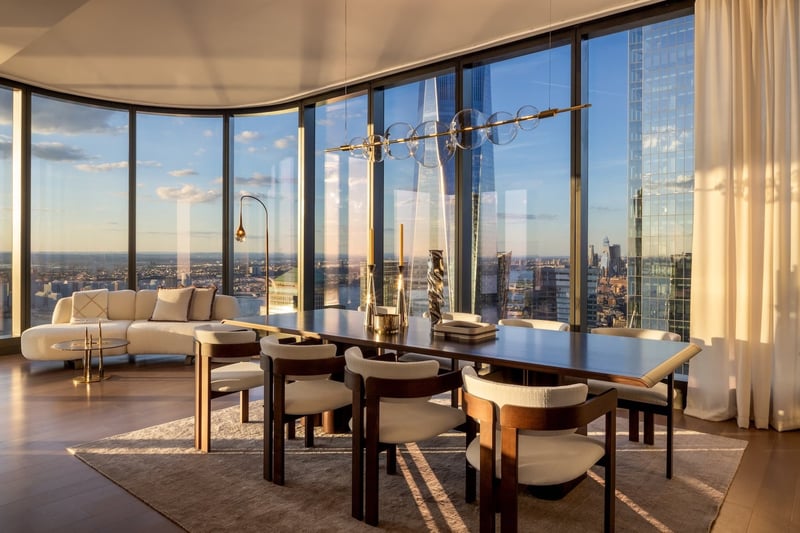
118 Residences · By Vornado Realty Trust
 Completed
注目
Completed
注目
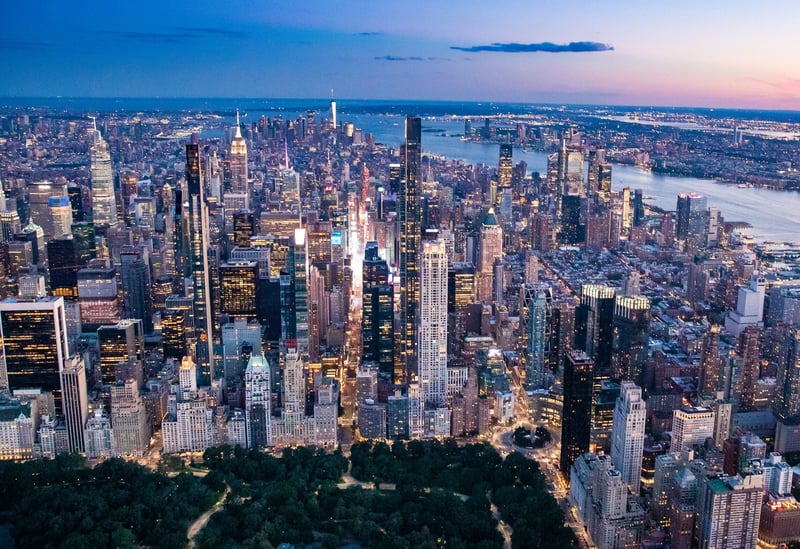
272 Residences · By Bizzi & Partners
 Completed
注目
Completed
注目
179 Residences · By Extell Development Company
 Completed
注目
Completed
注目
566 Residences · By Macklowe Properties
 Completed
注目
Completed
注目
375 Residences · By Dajia Insurance Group
 pre-construction
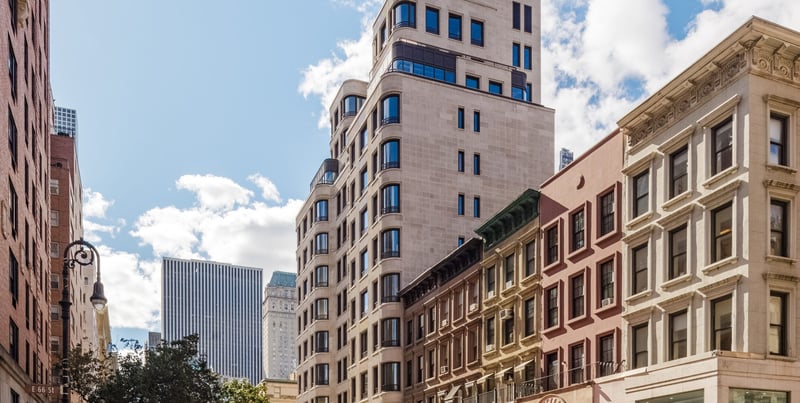
112 Residences · By Zeckendorf Development and Atlas Capital Group
 pre-construction
10 Residences · By SL Green Realty Corp.
 under-construction
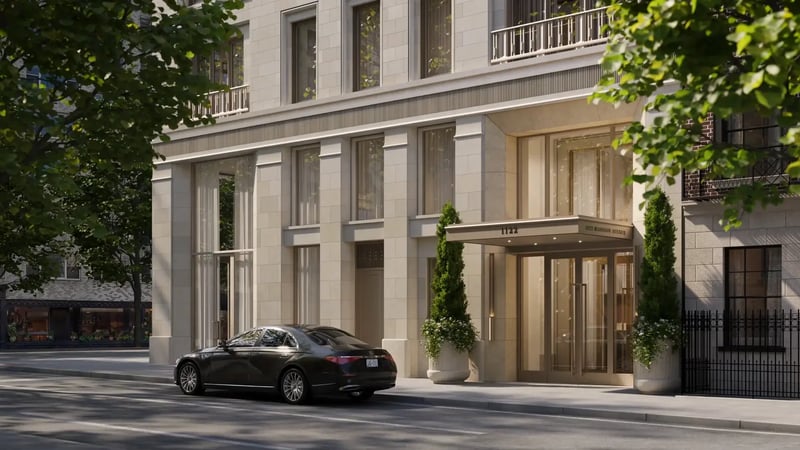
26 Residences · By Legion Investment Group and Nahla Capital
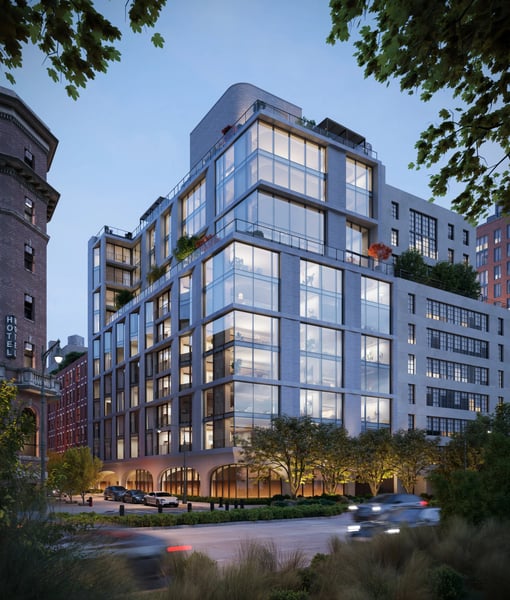 under-construction
14 Residences · By Aurora Capital Associates
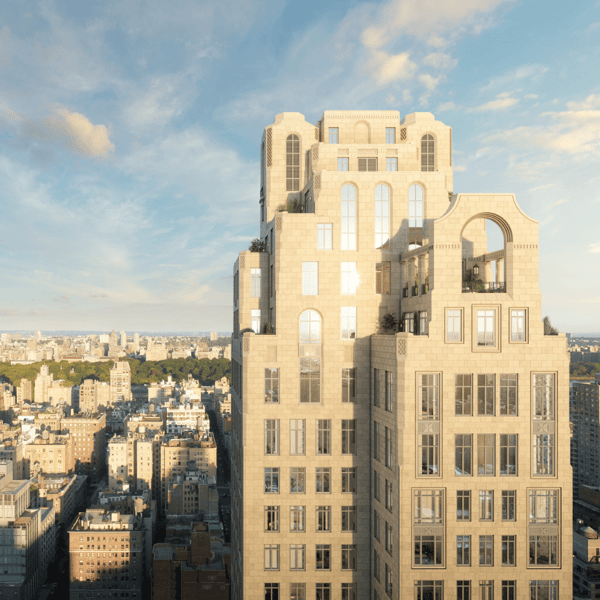 under-construction
62 Residences · By Naftali Group
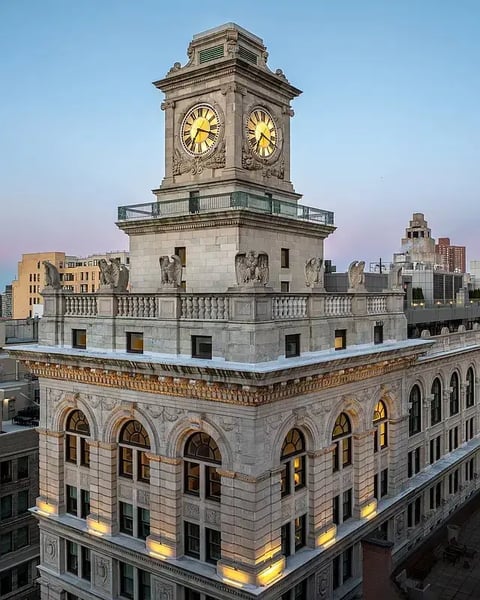 Completed
166 Residences · By Elad Group & Peebles Corporation
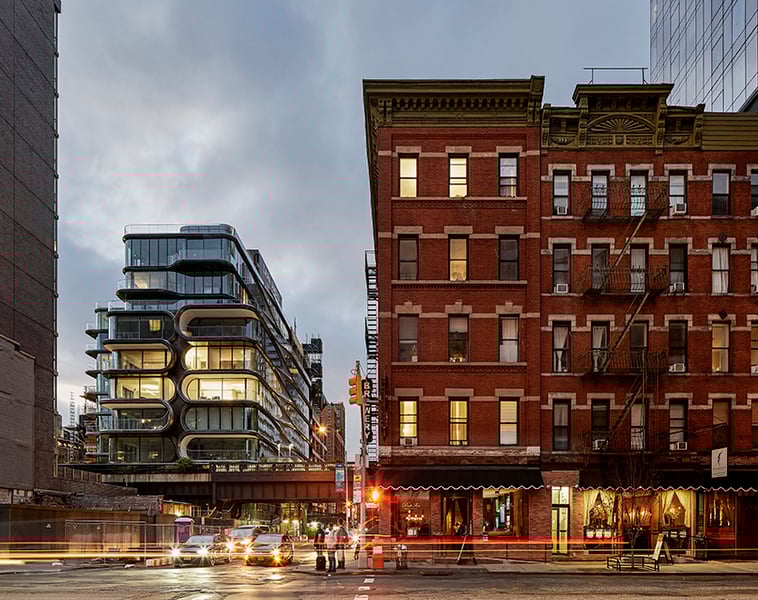 Completed
39 Residences · By Related Companies
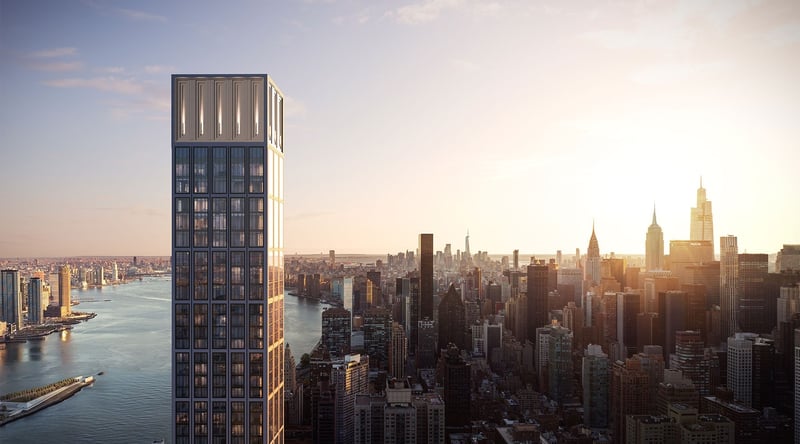 Completed
120 Residences · By Gamma Real Estate / JVP Management
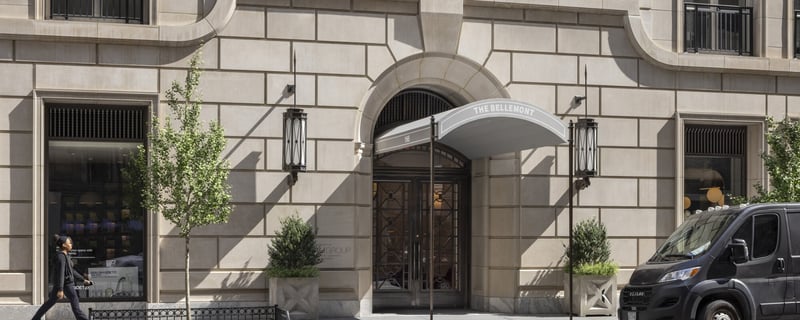 Completed
12 Residences · By Naftali Group
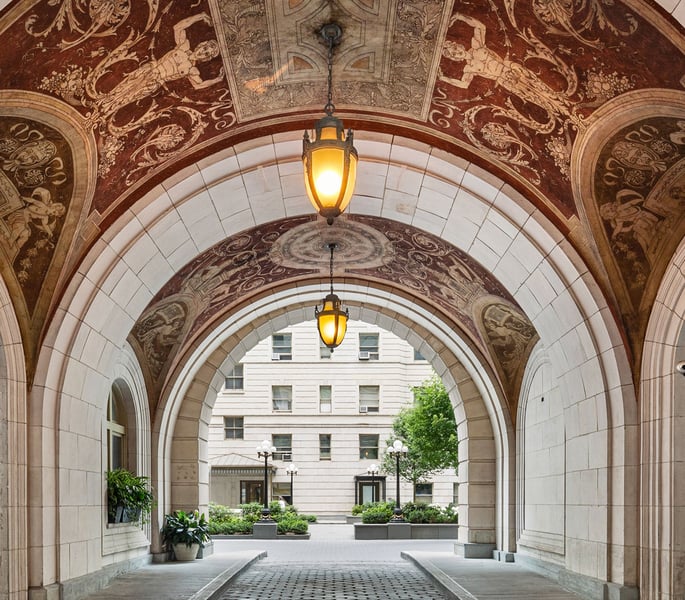 Completed
215 Residences · By HFZ Capital Group
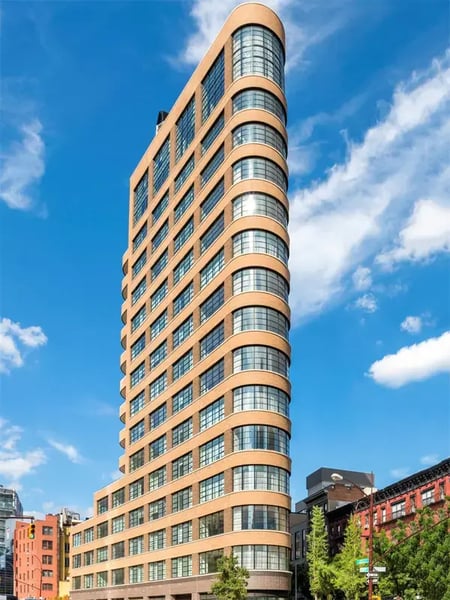 Completed
20 Residences · By Madison Equities & Property Markets Group (PMG)
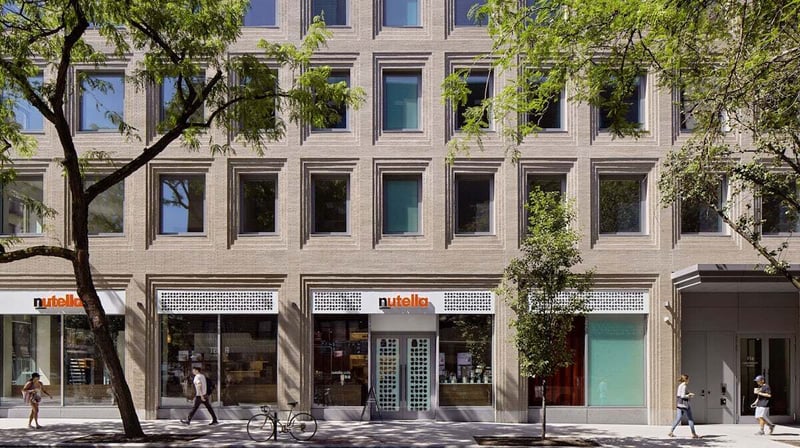 Completed
5 Residences · By Ranger Properties & Sagamore Capital
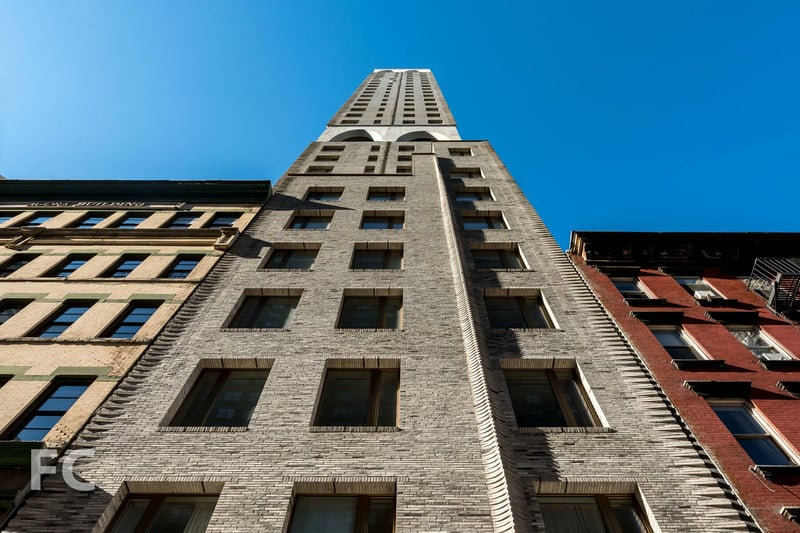 Completed
48 Residences · By DDG
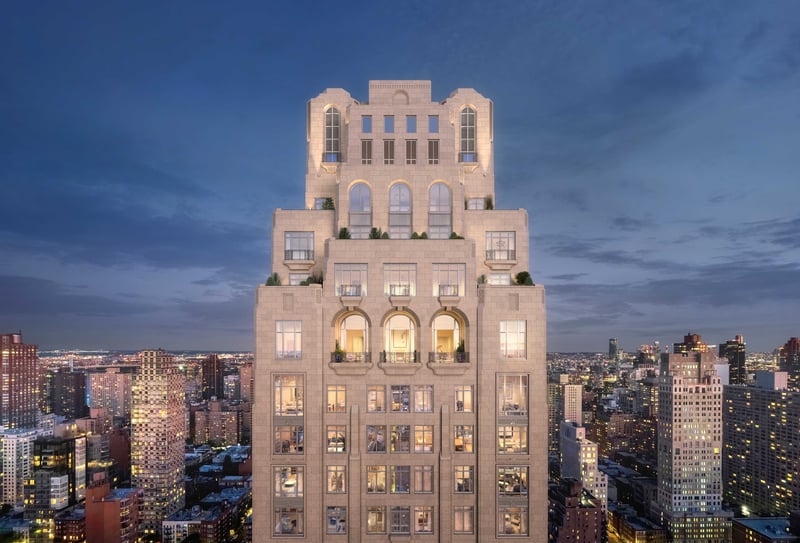 Completed
86 Residences · By Naftali Group & Rockefeller Group
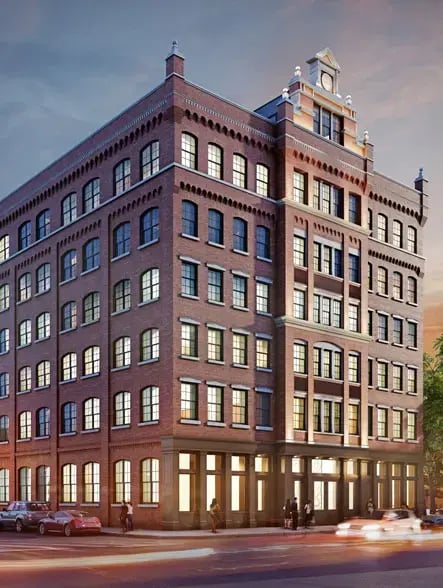 Completed
20 Residences · By Stillman Development
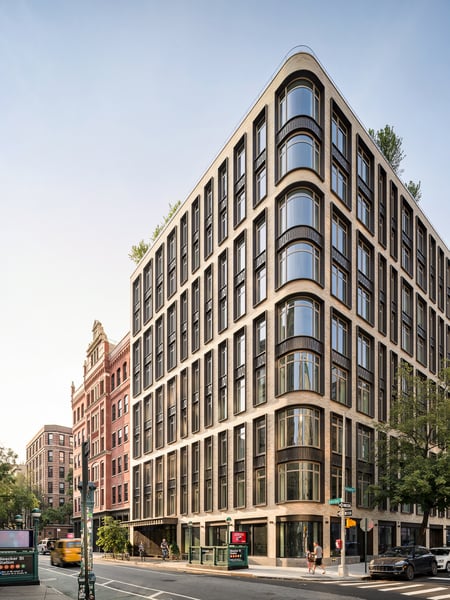 Completed
61 Residences · By Broad Street Development
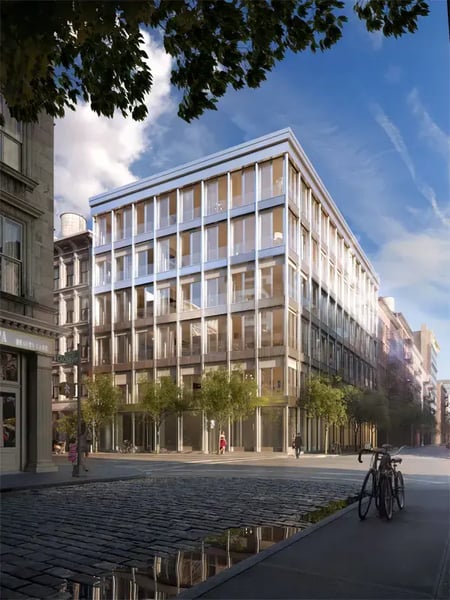 Completed
10 Residences · By Atlas Capital Group
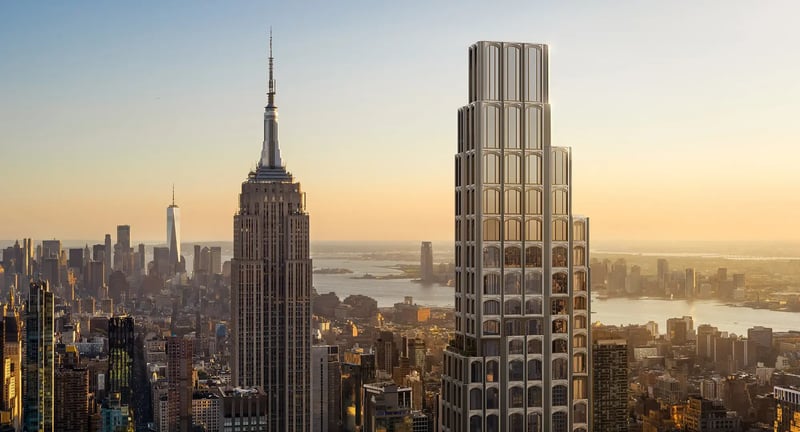 Completed
100 Residences · By Rabina
 Completed
60 Residences · By JDS Development Group
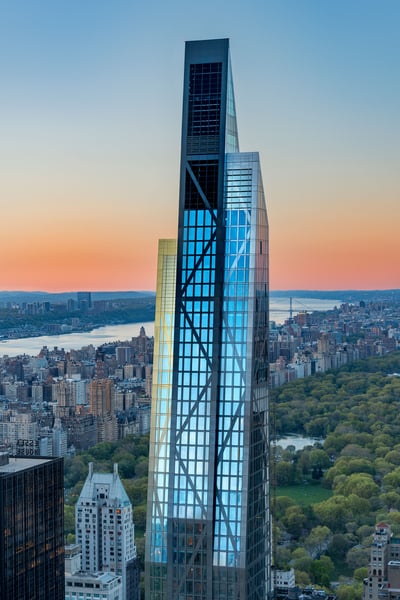 Completed
145 Residences · By Hines / Goldman Sachs
 Completed
33 Residences · By Zeckendorf Development
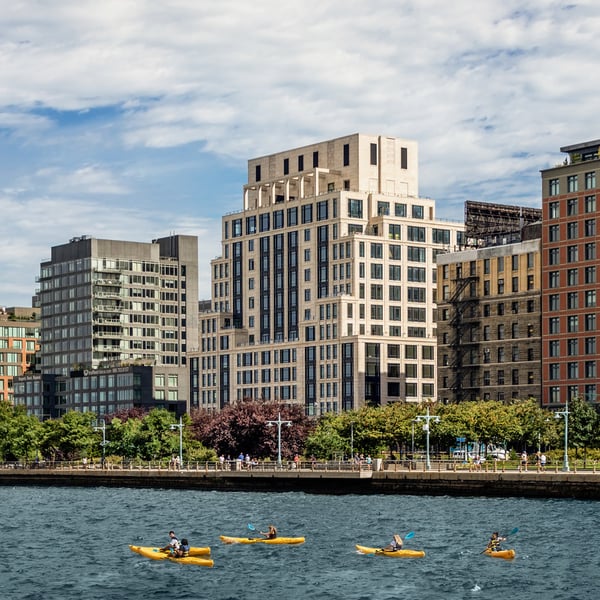 Completed
46 Residences · By Related Companies
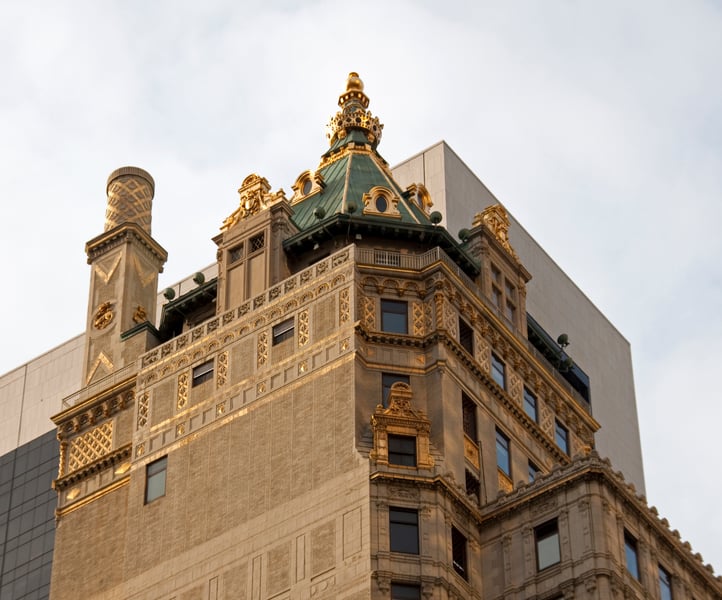 Completed
22 Residences · By OKO Group
 Completed
127 Residences · By Extell Development
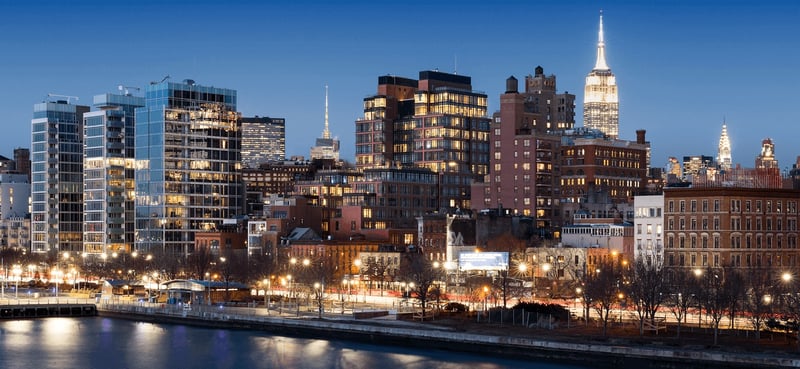 Completed
91 Residences · By Witkoff Group & New Valley
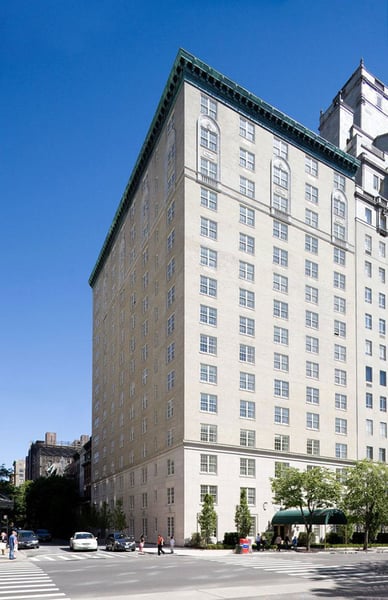 Completed
30 Residences · By 995 Fifth Avenue LLC
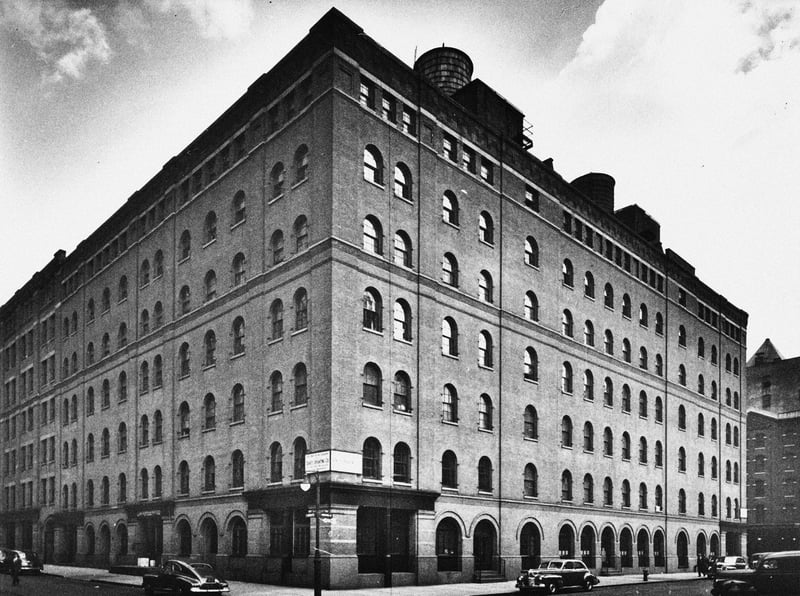 Completed
53 Residences · By Nathan Berman, Metro Loft Management
 Completed
51 Residences · By Related Companies, HFZ Capital Group and CIM Group
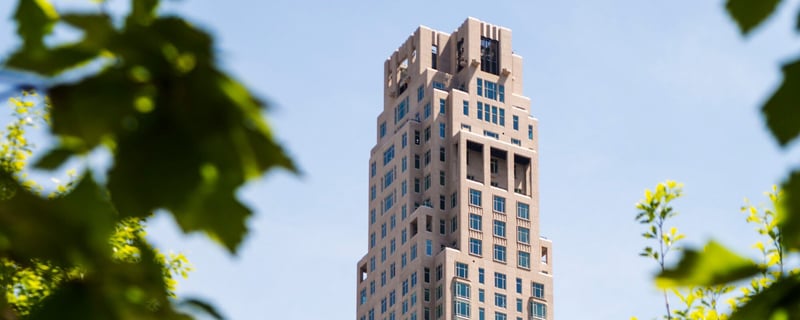 Completed
157 Residences · By Silverstein Properties
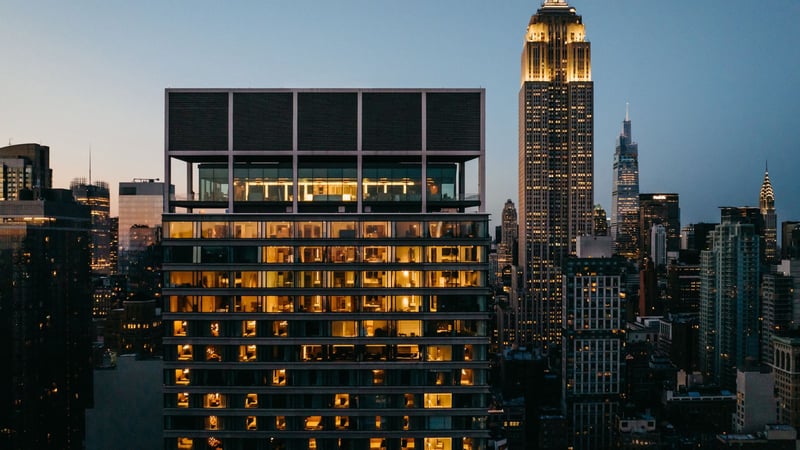 Completed
116 Residences · By Flag Luxury Group and Bizzi & Partners
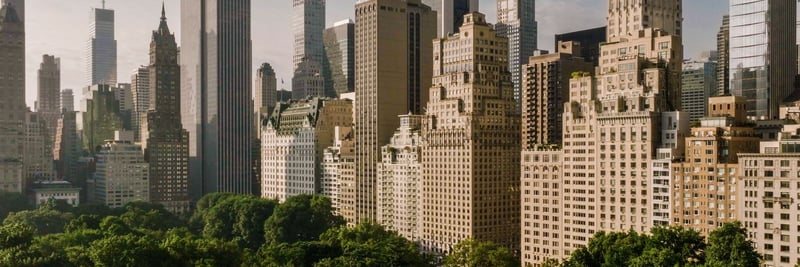 Completed
50 Residences · By Alchemy Properties
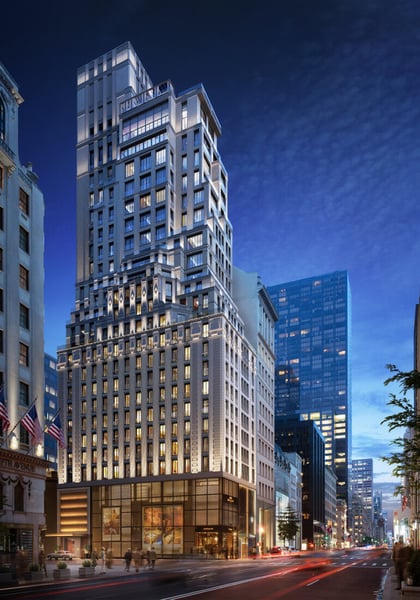 under-construction
69 Residences · By Mandarin Oriental
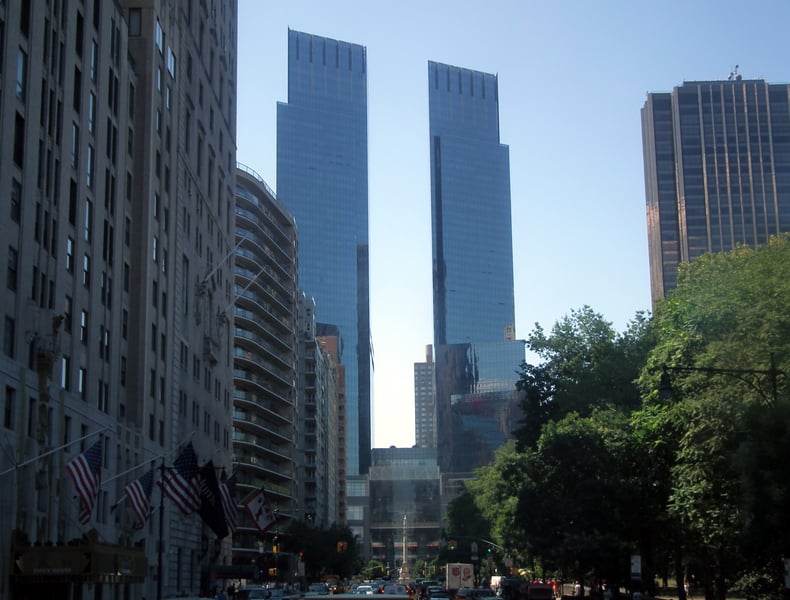 Completed
133 Residences · By Related Companies and Apollo Real Estate Advisors
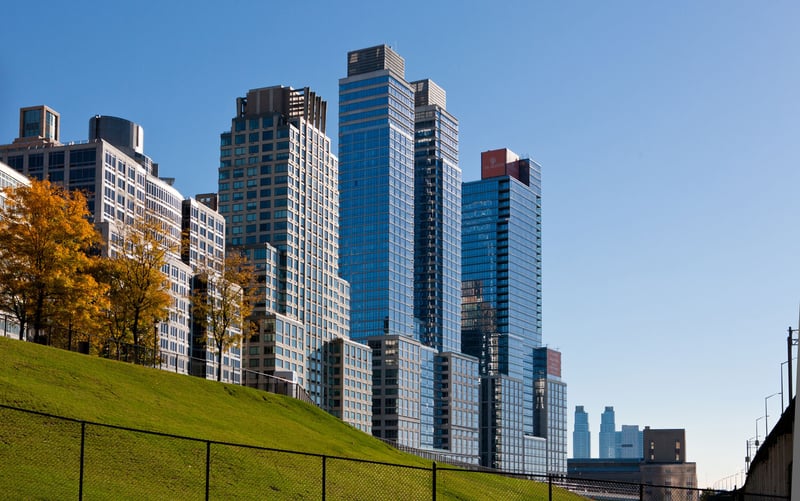 Completed
285 Residences · By Extell Development Company
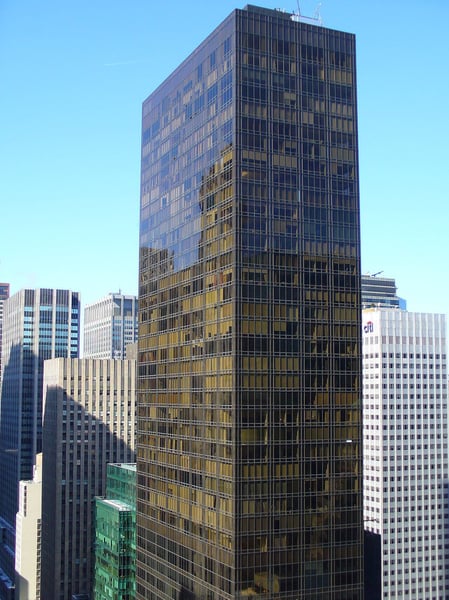 Completed
225 Residences · By Arlen Realty & Olympic Airways
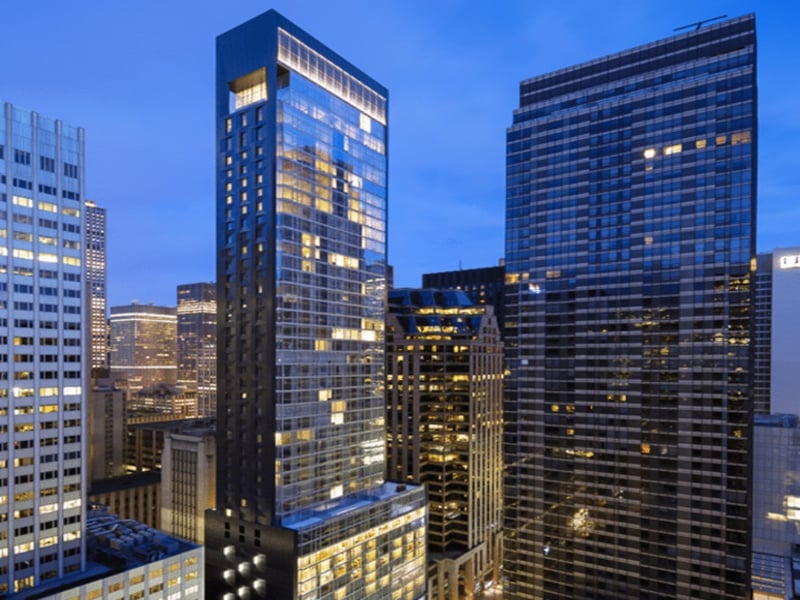 Completed
61 Residences · By Starwood Capital Group and Tribeca Associates
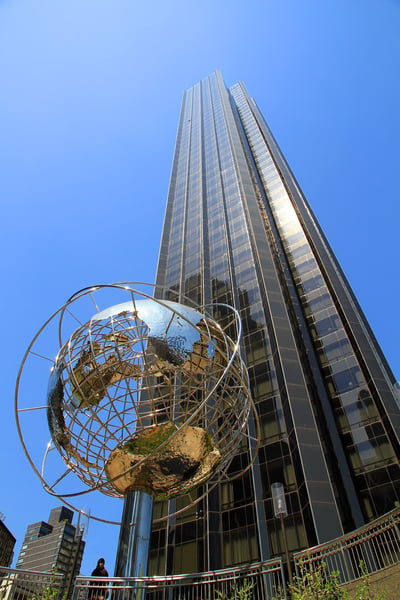 Completed
156 Residences · By The Trump Organization, General Electric Pension Trust and Galbreath Company
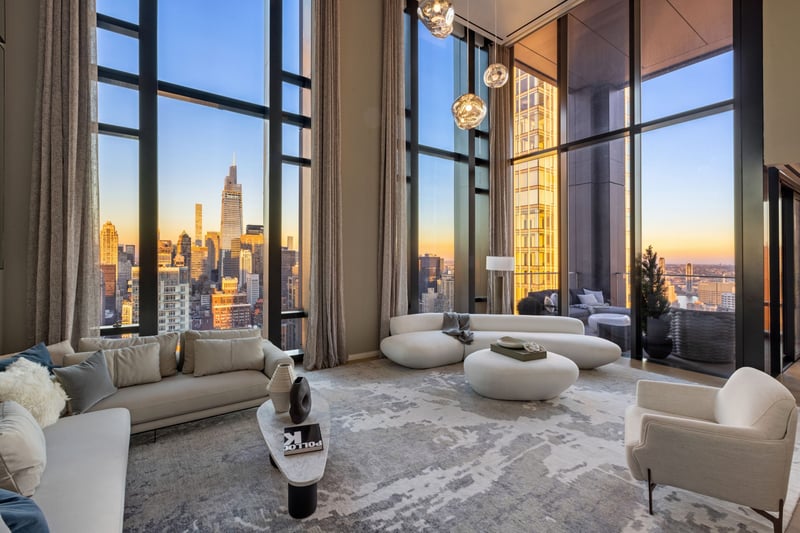 Completed
130 Residences · By Victor Group and Lendlease
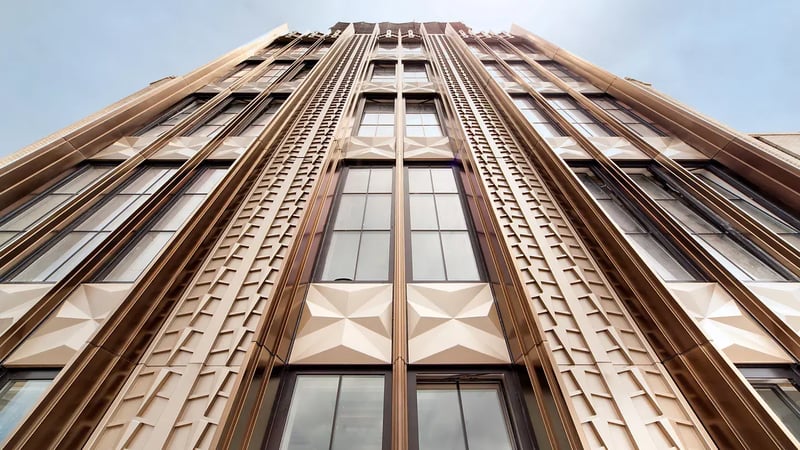 Completed
47 Residences · By JDS Development Group
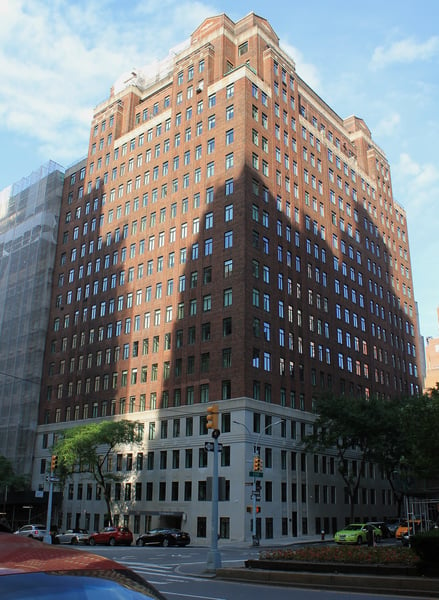 Completed
60 Residences · By Macklowe Properties
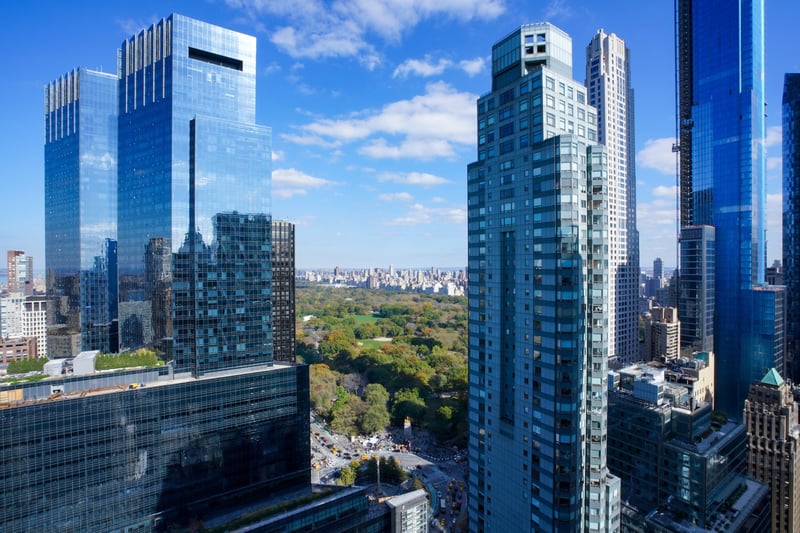 Completed
583 Residences
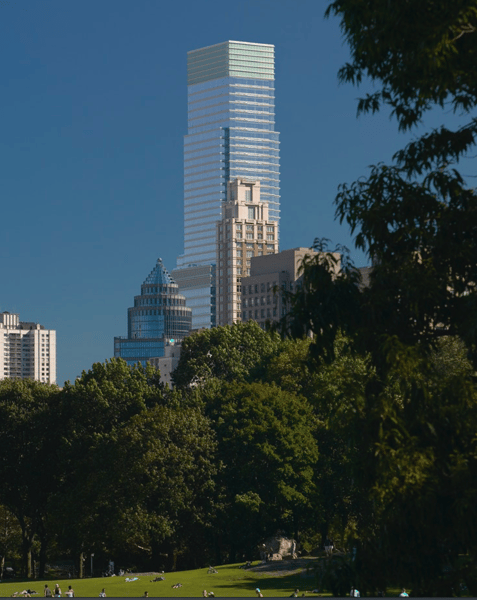 Completed
105 Residences · By Vornado Realty Trust
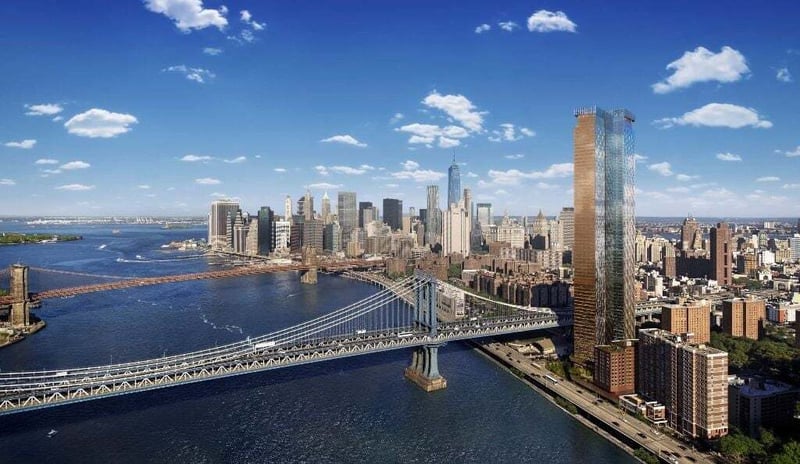 Completed
815 Residences · By Extell Development Company
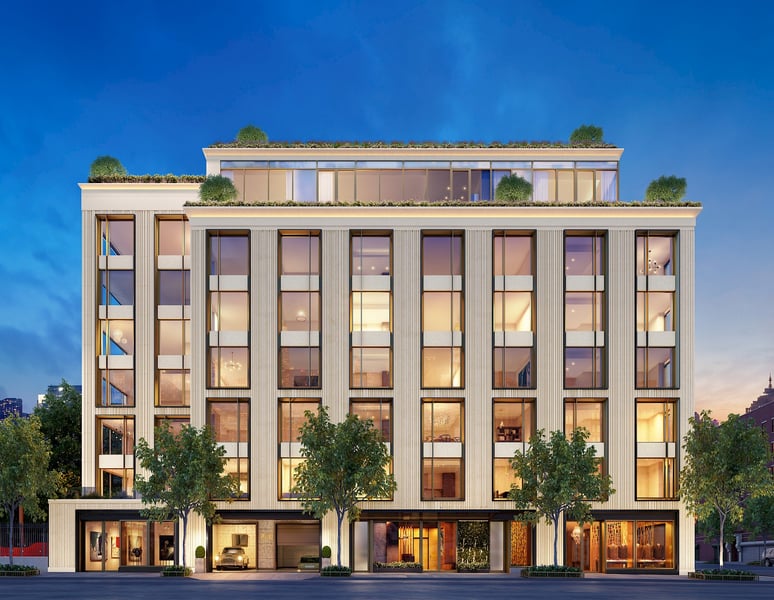 Completed
35 Residences · By DHA Capital / AMS Acquisitions
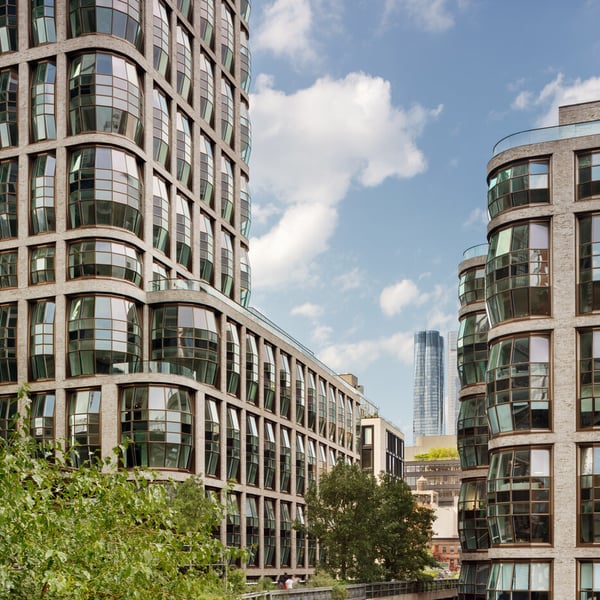 Completed
181 Residences · By Related Companies
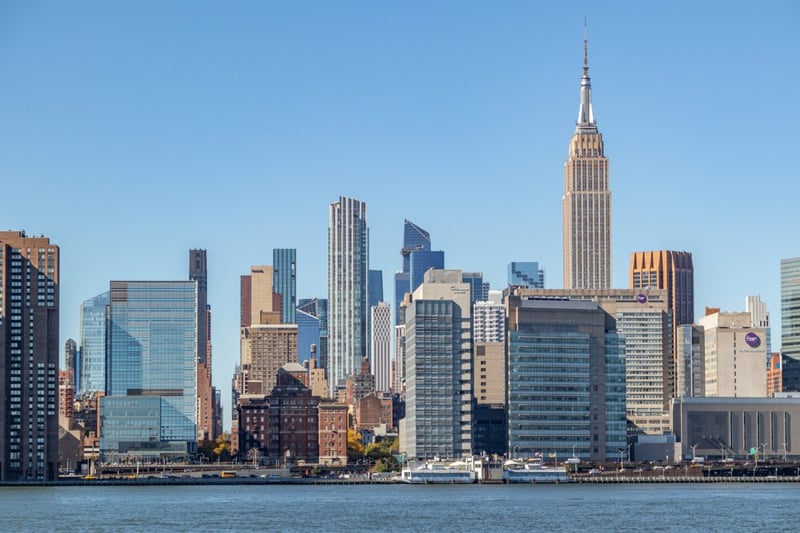 Completed
199 Residences · By Fosun Group & J.D. Carlisle
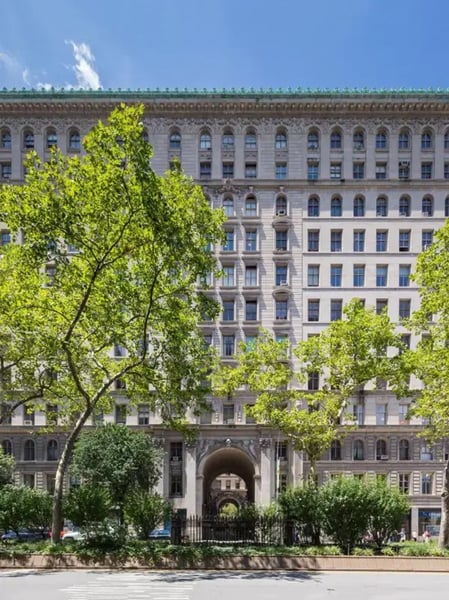 Completed
163 Residences · By William Waldorf Astor / Area Property Partners
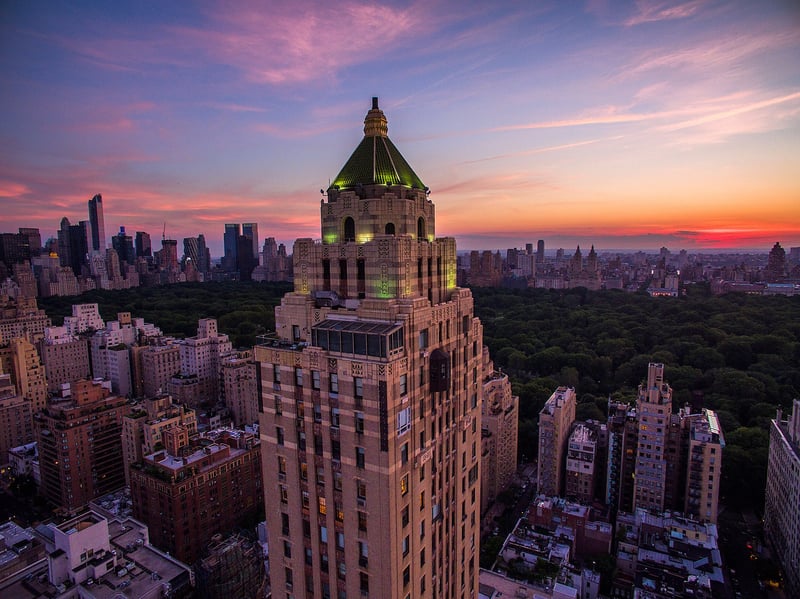 Completed
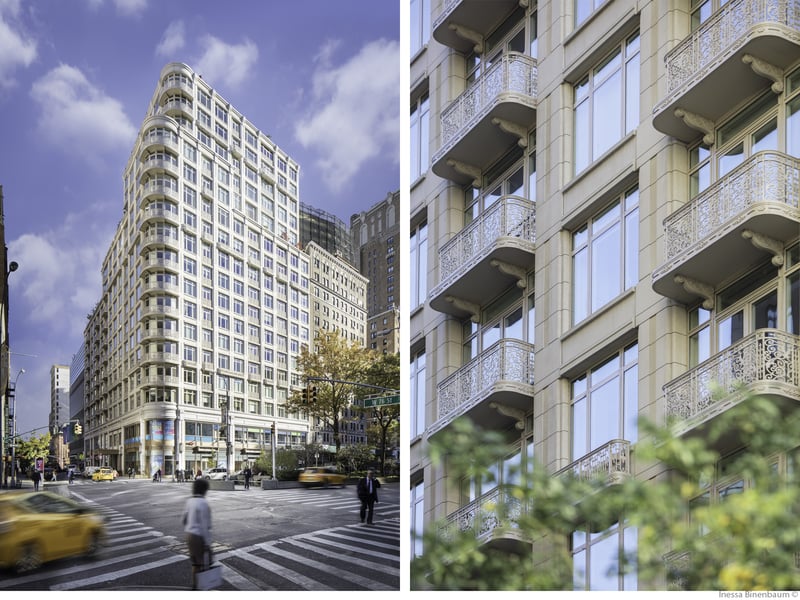
60 Residences · By Moses Ginsberg / Rosewood Hotels
 Completed
71 Residences · By The Stahl Organization
 Completed
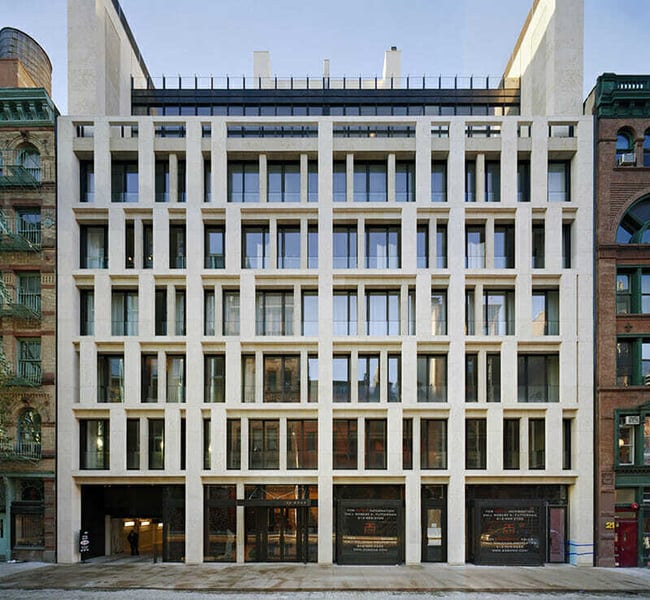
263 Residences · By GID Development Group
 Completed
10 Residences · By Goldman Properties (Tony Goldman)
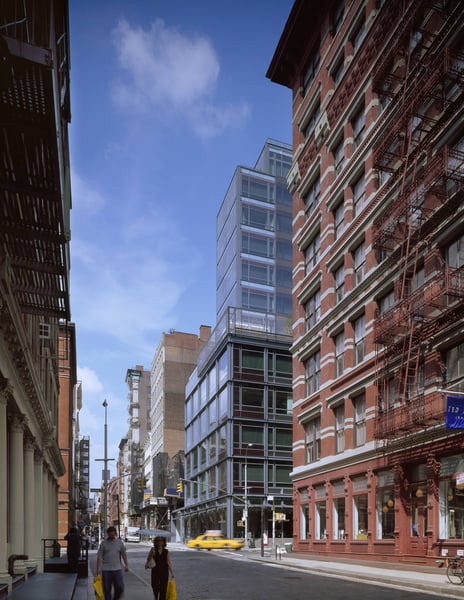
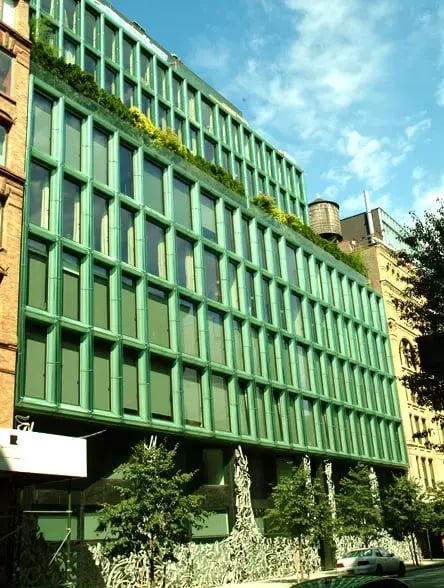 Completed
33 Residences · By Ian Schrager / RFR Realty
 Completed
40 Residences · By Andre Balazs / Hines
 Completed
219 Residences · By Gamma Real Estate
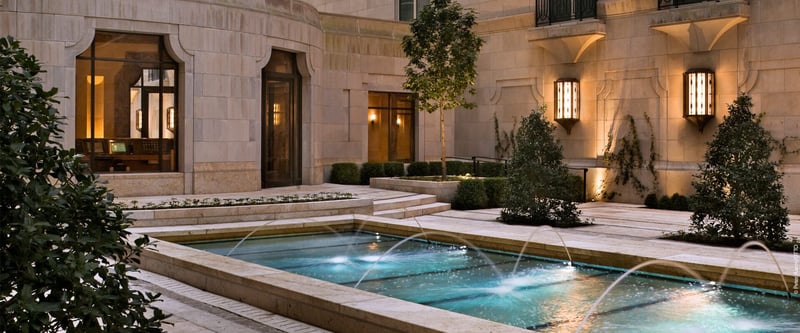 Completed
202 Residences · By Zeckendorf Development
 Completed
131 Residences · By Glacier Equities & InterVest Capital Partners
 Completed
191 Residences · By Navigation Capital Group
 Completed
92 Residences · By Extell Development Company
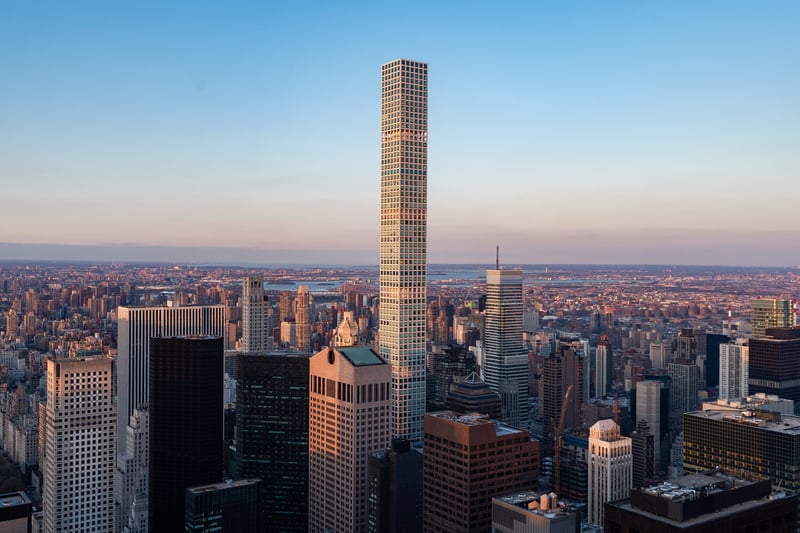 Completed
125 Residences · By CIM Group & Macklowe Properties
 Completed
145 Residences · By Hines / Alexico Group
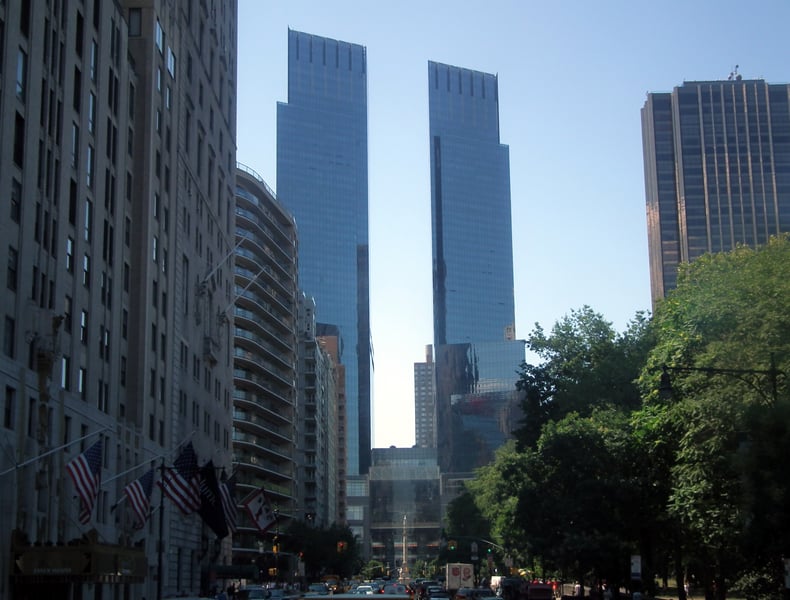 Completed
198 Residences · By Related Companies and Apollo Global Management
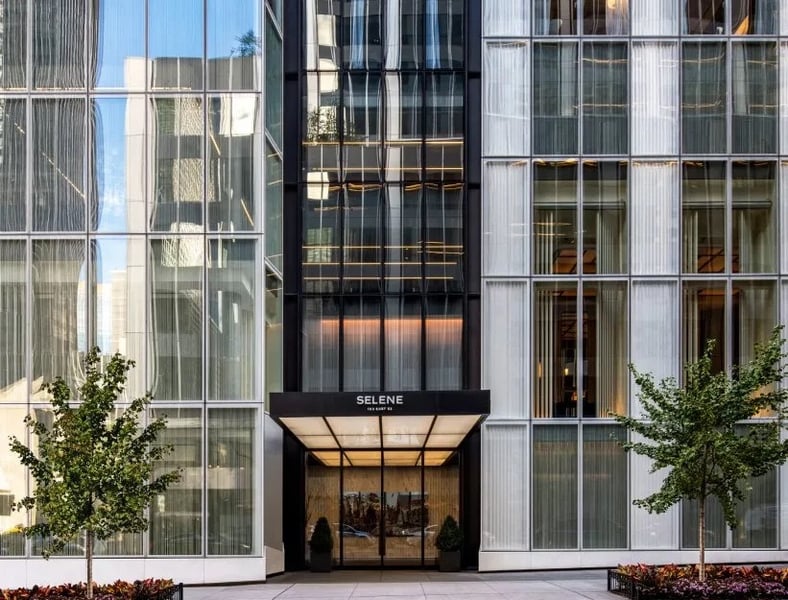 Completed
94 Residences · By Vanke US / RFR
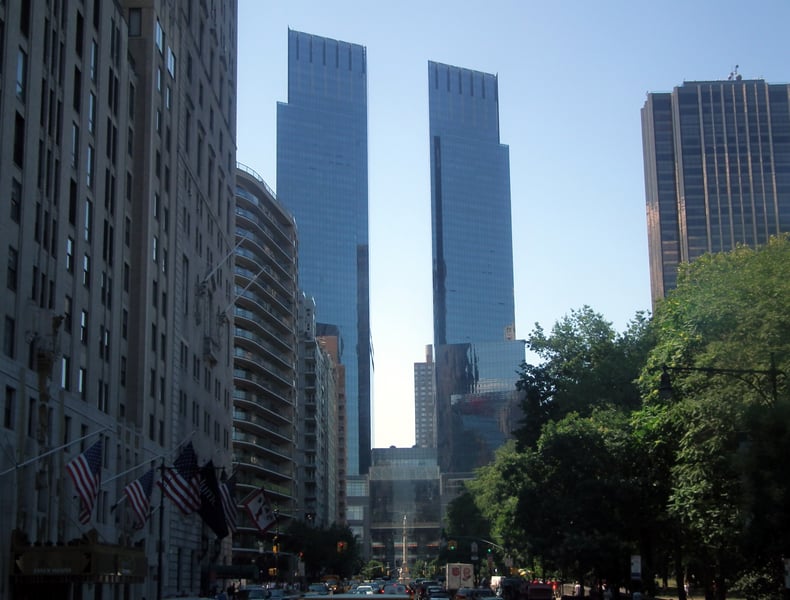 Completed
66 Residences · By Mandarin Oriental
 Completed
285 Residences · By Related Companies
 Completed
143 Residences · By Related Companies & Oxford Properties
 Completed
199 Residences · By Rudin Management and Global Holdings
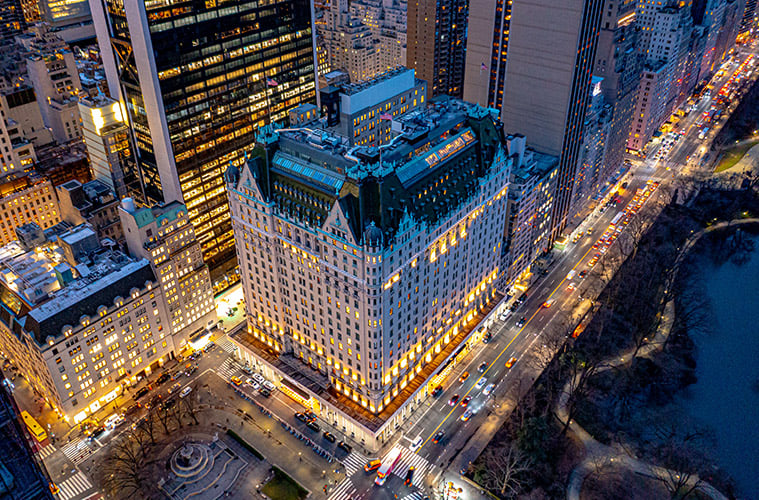 Completed
181 Residences · By El Ad Properties
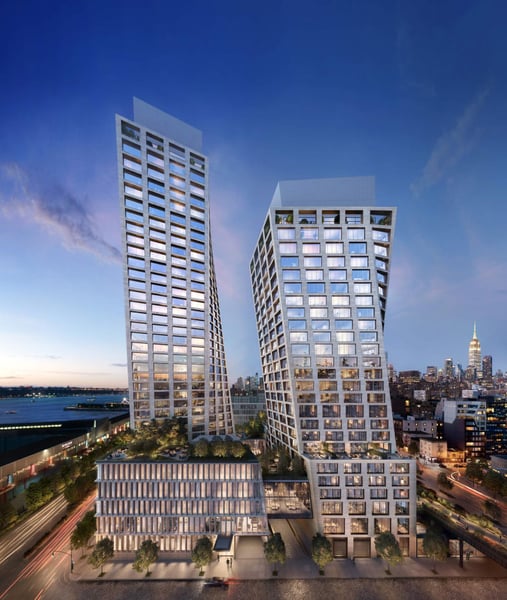 Completed
236 Residences · By Witkoff and Access Industries
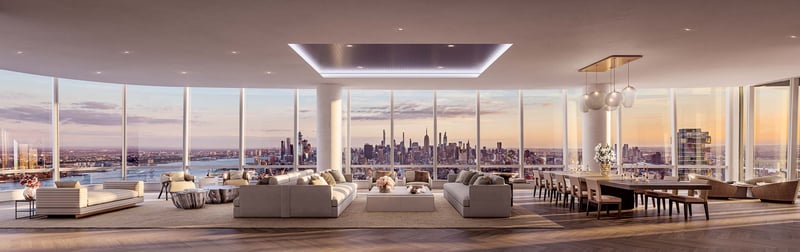 Completed
157 Residences · By Fisher Brothers and Witkoff Group
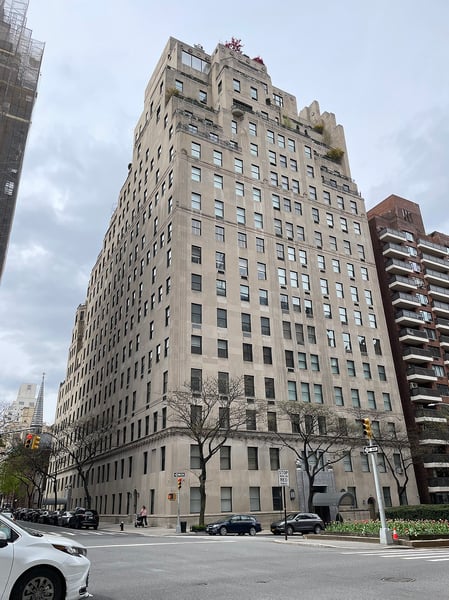 Completed
31 Residences · By James T. Lee and Jacqueline Bouvier's grandfather
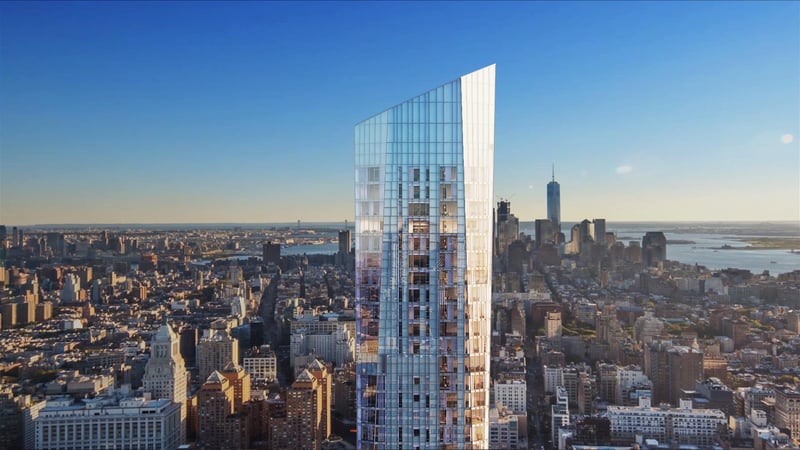 Completed
83 Residences · By KSK Construction Group
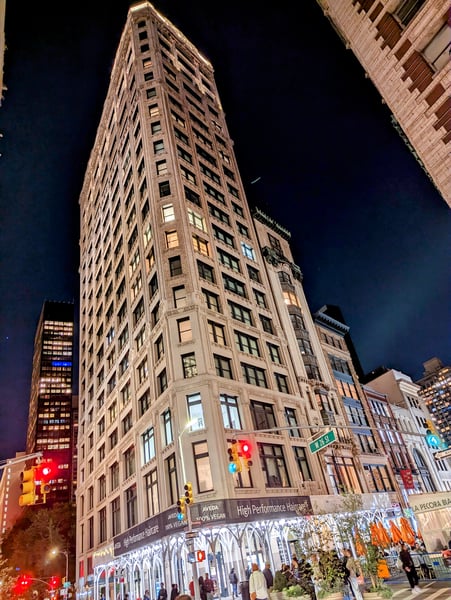 Completed
48 Residences · By Madison Equities and Thor Equities
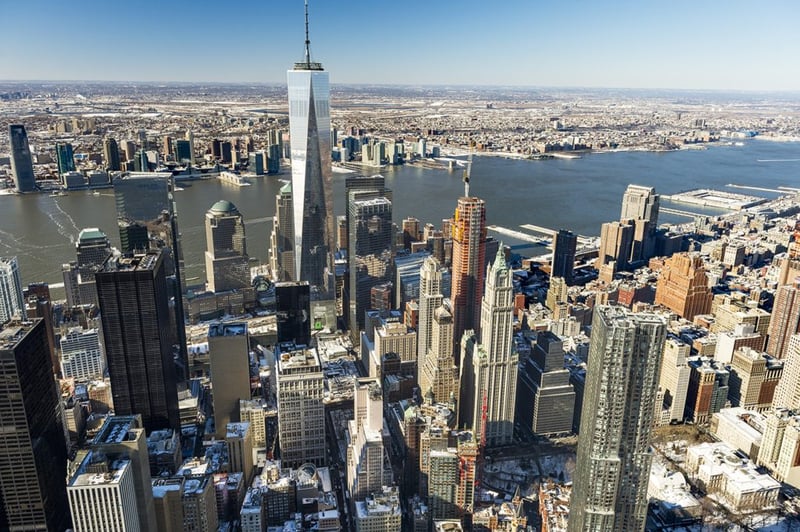 Completed
33 Residences · By Alchemy Properties
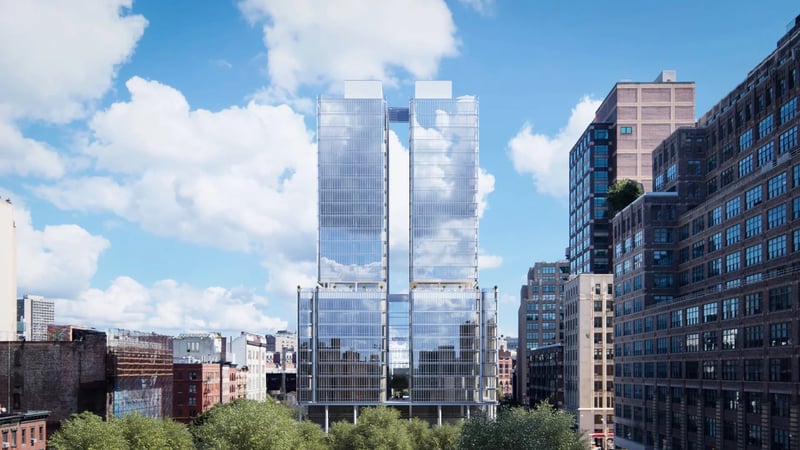 Completed
115 Residences · By Bizzi & Partners
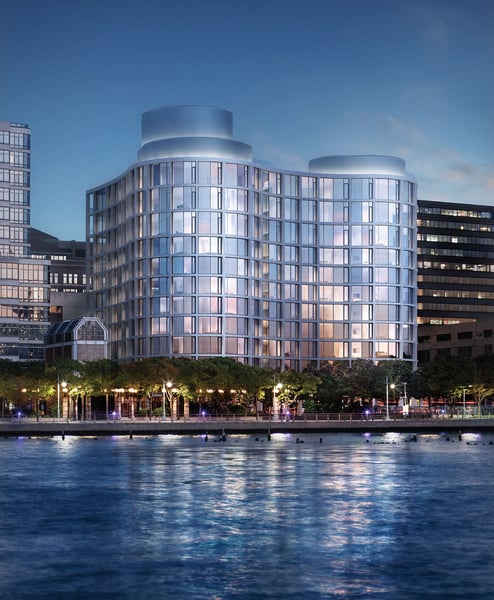 Completed
49 Residences · By Ian Schrager and Witkoff Group
 Completed
144 Residences · By Related Companies & Mitsui Fudosan America
Luxury Condos NYCで特に期待を集めるプレコンストラクション(竣工前販売)コンドミニアムの引き渡し予定時期をご案内いたします
| プロジェクト | 所在地 | デベロッパー | ステータス | 竣工予定 |
|---|---|---|---|---|
| 80 Clarkson | West Village | Zeckendorf Development and Atlas Capital Group | pre-construction | 2026 |
| 760 Madison | Upper East Side | SL Green Realty Corp. | pre-construction | 2025 |
| 1122 Madison Avenue | Upper East Side | Legion Investment Group and Nahla Capital | under-construction | 2027 |
| 140 Jane Street | West Village | Aurora Capital Associates | under-construction | 2026 |
| 255 East 77th Street | Upper East Side | Naftali Group | under-construction | 2026 |
| Mandarin Oriental Residences, Fifth Avenue | Midtown | Mandarin Oriental | under-construction | 2023 |
| Monogram New York | Midtown East | Navigation Capital Group | Completed | 2027 |
| 520 Fifth Avenue | Midtown | Rabina | Completed | 2026 |
| 50 West 66th Street | Upper West Side | Extell Development | Completed | 2026 |
| Waldorf Astoria Residences New York | Midtown East | Dajia Insurance Group | Completed | 2025 |
| Selene New York | Midtown East | Vanke US / RFR | Completed | 2025 |
| The Greenwich by Rafael Viñoly | Financial District | Bizzi & Partners | Completed | 2024 |
| 720 West End Avenue | Upper West Side | Glacier Equities & InterVest Capital Partners | Completed | 2024 |
| Sutton Tower | Sutton Place | Gamma Real Estate / JVP Management | Completed | 2023 |
| The Bellemont | Carnegie Hill | Naftali Group | Completed | 2023 |
| One Wall Street | Financial District | Macklowe Properties | Completed | 2023 |
| One High Line | Chelsea | Witkoff and Access Industries | Completed | 2023 |
| 995 Fifth Avenue | Upper East Side | 995 Fifth Avenue LLC | Completed | 2023 |
| The Ritz-Carlton Residences New York NoMad | NoMad | Flag Luxury Group and Bizzi & Partners | Completed | 2023 |
| Madison House | NoMad | Fosun Group & J.D. Carlisle | Completed | 2022 |
| 200 East 83rd Street | Upper East Side | Naftali Group & Rockefeller Group | Completed | 2022 |
| Aman New York | Midtown | OKO Group | Completed | 2022 |
| The Cortland | West Chelsea | Related Companies & Mitsui Fudosan America | Completed | 2022 |
| Lantern House | West Chelsea | Related Companies | Completed | 2021 |
| The West Residence Club | Hell's Kitchen | Gamma Real Estate | Completed | 2021 |
| Central Park Tower | Billionaires' Row | Extell Development Company | Completed | 2021 |
| 111 West 57th Street | Billionaires' Row | JDS Development Group | Completed | 2021 |
| 180 East 88th Street | Carnegie Hill | DDG | Completed | 2020 |
竣工予定日は概算であり、変更となる場合がございます。最新のプロジェクト情報については、ご相談ください。
20年を超える経験を持つ私どもは、Luxury Condos NYCで最もエクスクルーシブなプレコンストラクションの機会へお客様をご案内する、信頼できるパートナーです。
デベロッパーとの直接的な関係により、当社のお客様は Friends & Family 価格、最優先での物件選定、そして一般には公開されない特別な優遇措置をご利用いただけます。
20年を超える経験により、Luxury Condos NYCのあらゆる間取り、眺望ライン、価格帯、そして各デベロッパーの実績を深く把握しております。
最初のご相談からクロージングに至るまで、すべての細部を当社が担います。予約のお手続き、弁護士との調整、検査、そして資金調達に関するご助言まで対応いたします。
Manhattanは、司法長官の監督下にあるオファリングプラン(分譲計画書)手続きと、トロフィー級新規開発の限られた供給に支えられた、世界で最も厚みのあるラグジュアリー不動産市場の一つであり続けています。
Manhattanのコンドミニアム売買はすべて、司法長官が受理したオファリングプランの枠組みの中で成立します。これにより、体系立った買主保護の手続きと、契約締結前に買主側弁護士が内容を精査する確認期間が確保されます。
Manhattanは世界の資本が展開される主要な拠点であり、銀行、法務、専門サービスの厚いインフラに加え、北米、欧州、中東、アジアにまたがる多言語のUHNW(超富裕層)購入者基盤を擁しています。
Manhattanのトロフィーコンドミニアムは、世界で最も厚みのあるラグジュアリーリセール市場の恩恵を受けており、売却時の流動性と、評価の基準となる安定した比較事例を備えています。個々のパフォーマンスは、各建物の販売消化ペースとスポンサー(デベロッパー)の実績によって左右されます。
最初のご相談から鍵のお受け取りまで、すべての段階を当社がご案内いたします。
まず、お客様の目標、スケジュール、ご予算、そしてライフスタイルにおける優先事項を理解することから始めます。主なご住居、投資用物件、別荘のいずれをお探しの場合でも、お客様のニーズに合わせたご提案をいたします。
お客様の条件に基づいて厳選した選択肢をご提示し、デベロッパーとの個別プレゼンテーションを手配し、ご希望のユニットを確保いたします。当社の関係性により、ローンチ前の価格や優先的な物件枠へのアクセスが得られることも少なくありません。
お客様の弁護士およびデベロッパーの販売チームと連携し、売買契約を取りまとめます。手付金は通常、建設期間にわたって分割して設定され、お客様の資金はエスクローによって保護されます。
建設の進捗状況を定期的にご報告し、引き渡し前の検査を調整し、クロージングの手続きまでご案内いたします。ようこそ、新たなお住まいへ。
Manhattanでプレコンストラクションおよびスポンサーインベントリーのコンドミニアムを購入する際によく寄せられるご質問に、専門家の視点からお答えいたします
プレコンストラクションとは、建設前または建設中の段階で、スポンサー(ニューヨーク州司法長官にオファリングプランを提出したデベロッパー法人)からコンドミニアムの住戸を購入することを指します。Manhattanにおけるスポンサー直販の新規開発には、新築コンドミニアム、コンバージョン物件、そして竣工済みの建物に残る未販売の「スポンサーインベントリー」が含まれます。購入者はまず住戸を予約し、その後、司法長官が受理したオファリングプランに基づいて契約を締結します。デポジットのスケジュールとクロージング条件は同プランに定められています。プレコンストラクションの利点としては、オファリングプラン段階での価格の確定、眺望、階数、方角の優先選択、そしてスポンサー段階におけるクロージング費用や価格面の優遇へのアクセスが挙げられます。
Manhattanのプレコンストラクションでは、契約締結時に価格の10%から20%のデポジットを支払い、残額はクロージング時に支払うのが一般的です。建設の節目に応じた追加の分割払いを設定する建物もあります。正確なスケジュールは司法長官受理のオファリングプランに定められ、署名前に買主側弁護士が確認いたします。住戸を確保するための当初の予約デポジットは通常$50,000から$250,000で、最初の契約デポジットに充当されます。デポジットは、オファリングプランの定めに従いエスクロー(escrow)口座で保全されます。
Manhattanにおける最適なプレコンストラクションまたはスポンサーインベントリーの案件は、ご予算、ライフスタイル、投資期間によって異なります。現在販売中のスポンサー直販新規開発には、80 Clarkson (West Village)、255 East 77th (Upper East Side)、140 Jane (West Village)、1122 Madison (Carnegie Hill)、Mandarin Oriental Fifth Avenueなどがあります。スポンサーインベントリーが残る竣工済みの建物としては、Central Park Tower、220 Central Park South、53 West 53、111 West 57th、50 West 66thが挙げられます。ステータスはお問い合わせ時点でのご確認が必要です。スポンサーインベントリーの残戸数と価格は頻繁に変動いたします。
Manhattanのプレコンストラクションのパフォーマンスは、建物ごとに大きく異なります。投資の根拠は通常、2年から4年後に引き渡される物件の価格をオファリングプラン段階で確定できること、建設期間中の資金拠出が限定されること、そしてデベロッパー価格でスポンサーインベントリーにアクセスできることにあります。Manhattanのリセール市場の厚みと、NY州司法長官が監督するオファリングプラン手続きは、規制の緩やかな市場に比べて契約リスクを総じて低減します。リスクとしては、スポンサーの実績、建設コストの変動、司法長官による修正承認の遅延、販売消化ペース、隣地境界や眺望回廊のリスク、421-aその他の税制優遇プログラムの変更(適用がある場合)が挙げられます。建物ごとのデューデリジェンスが不可欠であり、特定の建物における過去の値上がりが将来のパフォーマンスを保証するものではありません。
Manhattanでは、プレコンストラクション(スポンサー直販)とリセールのそれぞれに固有の利点があります。プレコンストラクションは、新品の内装と設備、現行建築基準による施工、階数、眺望、間取りの選択、デベロッパー保証、そして利用可能な場合のスポンサー価格優遇へのアクセスを提供します。リセールは、即時入居、住戸の実地確認、確立された管理組合の方針と共益費の履歴、そして場合によってはより柔軟な価格交渉の余地を提供します。長期的な値上がりを重視する投資家には、スポンサー直販の方が高い上昇余地をもたらすことが多い一方、早期の入居を必要とする方や完成品の確実性を求める方には、リセールが適している場合があります。
Manhattanの標準的なスポンサー契約では、契約時に10%を支払い、残額はクロージング時に支払います。所定の建設マイルストーン(一般的には躯体完成時または工事50%完了時)に二度目の10%を設定する建物もあります。デポジットの取り扱い、エスクロー口座、スポンサーの義務はすべてオファリングプランに規定されており、契約締結前に買主側弁護士が確認いたします。
ブランドレジデンスとは、著名なホスピタリティ、ファッション、ライフスタイルブランドの名称、デザイン基準、サービス水準を冠したラグジュアリーコンドミニアムです。ManhattanのブランドレジデンスにはWaldorf Astoria Residences、Aman New York、Mandarin Oriental Fifth Avenue、Ritz-Carlton New York、Baccarat Residencesがあり、さらに複数のプロジェクトが開発中です。ブランドレジデンスは同等の非ブランド物件に対して通常25%から35%のプレミアム価格となりますが、リセール時の資産価値を総じて維持しやすく、ブランド基準のサービスとアメニティが提供されます。
主なリスクには、建設の遅延、建設期間中の市場変動、司法長官によるオファリングプラン修正承認の遅延、スポンサーの遂行力の問題、そして完成物とパース(完成予想図)との相違が含まれます。ニューヨークでは、買主のデポジットは司法長官受理のオファリングプランの定めに従いエスクローで保全され、署名前には買主側弁護士による確認が行われます。リスク軽減のためには、スポンサーの過去の実績、建設融資を行う金融機関、当該敷地における隣地境界と眺望回廊のリスク、管理組合の転貸および転売に関する方針、421-aその他の税制優遇のステータスを精査することが重要です。すべての案件について、契約時点でのステータス確認が必要です。
外国籍の方は、ビザや居住資格を問われることなくManhattanのプレコンストラクションを購入いただけます。10%から20%の契約デポジットと司法長官受理のオファリングプラン手続きは、国内購入者と同様に適用されます。海外の購入者は、プライバシー保護と相続対策のためLLC(合同会社)を通じて取得されるのが一般的です。複数の米国の銀行が、頭金30%から50%の外国籍者向け住宅ローンプログラムを提供しています。オファリングプランの確認には米国拠点の買主側弁護士が不可欠です。Manhattan Miamiは、タイトル保険(title insurance)、米国銀行口座の開設、外国籍者向け住宅ローンの手続きを契約時に調整いたします。
Manhattanのコンドミニアムの賃貸方針は各建物の規約と管理組合が定めており、建物ごとに大きく異なります。多くの建物で投資目的の賃貸が認められていますが、最低賃貸期間(一般的には6か月または12か月)、管理組合の承認要件、転貸方針は建物により異なります。新築のスポンサー住戸は、歴史のあるコンドミニアムに比べて管理組合による制約が少ない傾向にあります。契約前に、オファリングプランの賃貸条項とコンドミニアム規約の転貸方針をご確認ください。
スポンサーインベントリーとは、建物のスポンサー(オファリングプランを提出したデベロッパー法人)が保有し続けている未販売住戸を指します。スポンサー住戸は完全な新築未入居であり、交渉可能な価格、クロージング費用のクレジット、そして当該建物に税制優遇がある場合はその適用が含まれることがあります。スポンサー側の取引は、標準的なリセール契約ではなくオファリングプランに従って行われます。
タイミングは、オファリングプランの段階とスポンサーの販売スピードによって決まります。オファリングプランの発効日またはその直後の価格が、最も有利な条件となる傾向があります。販売が進むにつれてスポンサーはプランの修正を提出し、価格は通常上昇していきます。購入者ごとに状況は異なりますので、最適な参入時期は、対象となる建物、お客様の資金準備、そして投資期間によって判断されるべきものです。
プレコンストラクションとスポンサーインベントリーが活発なエリアは、Tribeca、Hudson Yards、Greenwich Village、West Village、Upper West Side、Upper East Side、そして57丁目沿いのBillionaires’ Rowコリドーに広がっています。ダウンタウンのブティックコンバージョンからミッドタウンのウルトララグジュアリー超高層タワーまで、それぞれ価格帯、建物のタイプ、投資プロファイルが異なります。最適な選択は、徒歩圏の利便性、眺望回廊、築年数、Central Parkへの近さ、交通アクセスなど、お客様の優先事項によって決まります。
デューデリジェンスの段階でManhattanの開発プロジェクトを分ける要素は、通常次の五つです。スポンサーの実績(過去のプロジェクトにおける引き渡しの履歴)、立地と眺望回廊の詳細(隣地境界のリスク、Central Parkや河川の眺望の確保)、建設融資を行う金融機関と資本構成、司法長官へのオファリングプランのステータス(当初提出、修正、発効日)、そして421-aその他の税制優遇の詳細(適用がある場合)です。Manhattanのトロフィー物件の水準では、価格だけで決まることはほとんどありません。Manhattan Miamiは、販売中のすべての開発プロジェクトについて比較検討の資料をご提供いたします。
Manhattanの新築コンドミニアムにおける買主側のクロージング費用は、住宅ローンの利用有無に応じて、通常価格の2%から4%です。標準的な項目には、ニューヨーク市および州の譲渡税(スポンサー販売では買主負担とされることが一般的で、オファリングプランでの確認が必要です)、Mansion Tax($1M超に1%、$2M超は累進的な税率区分)、タイトル保険、買主側弁護士費用、住宅ローン利用時のモーゲージ登録税、そして日割り計算の共益費と固定資産税が含まれます。スポンサー直販の新規開発取引では、デベロッパーが買主側エージェントの報酬を負担するため、専門家による代理は買主の自己負担なしでご利用いただけます。
Manhattanのプレコンストラクションはスポンサーの販売ギャラリーから直接購入することも可能ですが、経験豊富な買主側エージェントの存在は大きな優位性をもたらします。スポンサー直販の新規開発では、デベロッパーが買主側エージェントの報酬を負担するため、買主に追加費用は発生いたしません。専門家は、競合するManhattanの各プロジェクトの比較分析、買主側弁護士と連携したオファリングプランの精査、スポンサー価格に関する情報、工事進捗の報告、クロージングの調整に加え、アップグレード、優良住戸の割り当て、有利なデポジット条件の交渉力をご提供いたします。
Manhattanの一般的なプレコンストラクションプロジェクトは、オファリングプランの発効日からクロージングまで2年から5年を要します。期間は、新築かコンバージョンか、建物の規模、そして建設コストの環境によって異なります。Manhattanの超高層タワーの新築は長めとなり、ダウンタウンのブティックコンバージョンはより早く引き渡されることがあります。竣工済み建物のスポンサーインベントリーは、標準的なリセールまたはスポンサー契約のスケジュール(契約後60日から120日)でクロージングとなります。
ニューヨークにおけるプレコンストラクション取引の買主保護は、司法長官受理のオファリングプランに根拠を置いています。デポジットは同プランの定めに従いエスクローで保全され、スポンサーの義務はオファリングプランの手続きを通じて執行可能です。スポンサーが引き渡しを履行できない場合、デポジットの回収はオファリングプランと適用されるニューヨーク州法に従って行われます。スポンサーの財務基盤、建設融資を行う金融機関、プロジェクトの実現可能性は、契約締結前に精査されるべき事項です。
クロージング前の契約譲渡(アサインメント)は、Manhattanのスポンサー契約で認められる場合もありますが、その方針はスポンサーとオファリングプランによって大きく異なります。譲渡を全面的に禁止するスポンサーもあれば、特定の建設マイルストーン後、または手数料(一般的には価格の1%から5%)を条件に認めるスポンサーもあります。譲渡可能性を投資戦略の前提とされる場合は、事前にオファリングプランの譲渡条項をご確認ください。
Manhattanのプレコンストラクションの予約手続きは、スポンサーの販売可能住戸の中から、ご希望の住戸、階数、ライン、方角を選ぶことから始まります。返金可能な予約デポジット(通常$50,000から$250,000)を添えて予約フォームを提出いただくと、契約書の発行まで住戸が確保されます。スポンサー側弁護士がオファリングプランに基づく契約書を発行し、これを買主側弁護士とともにご確認いただきます。契約締結後、予約デポジットは契約デポジットに充当されます。予約から契約までの手続きは通常2週間から6週間を要します。
Manhattanのコンドミニアムでは、HOA費ではなく「コモンチャージ(共益費)」という用語が用いられます。共益費は、建物の運営、スタッフ、アメニティ、修繕積立金に充てられます。固定資産税はニューヨーク市から別途請求され、特定の建物では421-aその他の税制優遇プログラムにより一部軽減される場合があります。保有コストの幅は大きく、Billionaires’ Rowのトロフィー級の建物では共益費が平方フィートあたり$6から$10、税金が平方フィートあたり$3から$8となるのが一般的である一方、税制優遇のあるダウンタウンの建物では大幅に低くなります。ステータスは建物ごとに確認されます。
Manhattanのプレコンストラクションの資金調達は、標準的な購入時住宅ローンのスケジュールとは異なる流れで進みます。建設期間中、買主は自己資金からデポジットを支払います。住宅ローンは、残額の支払いが必要となるクロージングの時期に合わせて手配します。多くの買主は、引き渡し予定の6か月から12か月前に住宅ローンの手続きを開始されます。米国市民および居住者は通常のジャンボローンをご利用いただけます。外国籍の方は専門のプログラム(多くの場合、頭金30%から50%)をご利用いただけます。
Manhattanのコンドミニアム購入者は、三つの税務面を検討する必要があります。(1)継続的な費用として、毎月の共益費とニューヨーク市および州の固定資産税(特定の建物では421-aその他の優遇プログラムによる軽減の可能性があります)。(2)クロージング時の一時費用として、ニューヨーク市および州の譲渡税(スポンサー販売では買主負担が一般的)、Mansion Tax(買主に対し$1M超に1%、$2M超は累進的な税率区分)、タイトル保険、買主側弁護士費用、住宅ローン利用時のモーゲージ登録税。(3)資産保有の計画として、連邦遺産税と贈与税、およびニューヨーク州の遺産税です。税制優遇のステータスは建物ごとに異なり、オファリングプランと最新の納税証明書での確認が必要です。
はい、必要です。Manhattanの標準的な慣行では、買主は不動産弁護士を選任し、署名前にスポンサーとの購入契約書、オファリングプラン、建物のコンドミニアム関連書類の確認を依頼します。新規開発の購入における弁護士費用は、取引の複雑さに応じて通常$2,000から$7,500です。
Manhattanの新規開発の購入において、私どものサービスは買主の負担なしでご利用いただけます。免許を持つ不動産プロフェッショナルとして、私どもはオファリングプランおよび販売契約に開示される共同仲介手数料を通じてスポンサーから報酬を受け取ります。スポンサーから直接購入されても私どもを通じて購入されても価格は同一であり、私どもの専門知識、スポンサーとの関係、契約確認の調整、そして取引全体を通じたフルサービスのサポートが加わります。
初めてのManhattanの住まいをお探しの方も、高級不動産ポートフォリオの拡充をお考えの方も、当社の専門家が価格設定、市場動向、そしてNYCのマンション購入プロセス全般について専門的な助言をご提供いたします。
New York & Miami
New York州およびFlorida州にて免許を保有
お客様一人ひとりに合わせたプロジェクトのご提案、価格、空室状況をお受け取りください。
By submitting this form, you may be contacted by Manhattan Miami Real Estate LLC about your inquiry. View our Privacy Policy.
お客様の情報は厳重に秘密として保持されます。専門家が24時間以内にご連絡いたします。
市場の背景: Manhattanのラグジュアリーコンドミニアム価格は、サブマーケットごとに区分されます。Billionaires’ Rowコリドー(57丁目、Park AvenueからColumbus Circleの間)は米国で最も高い平方フィート単価を誇り、トロフィーレジデンスは平方フィートあたり$4,000-$10,000+で取引されています。ダウンタウンManhattan(Tribeca、West Village、Soho)には、新規開発の限られた供給に支えられた独自のウルトララグジュアリー層があります。Upper East SideとUpper West Sideのコンドミニアム価格の中央値はダウンタウンのトロフィー水準を大きく下回りますが、より広い間取りとCentral Parkへのアクセスを提供します。Manhattanの価格は、金利、Mansion Taxの税率区分、そして各建物のオファリングプランの段階に敏感に反応します。
エンティティの視点: 2026年のスポンサー直販の新規開発には、80 Clarkson (West Village)、255 East 77th (Upper East Side)、140 Jane (West Village)、1122 Madison (Carnegie Hill)、Mandarin Oriental Fifth Avenueが含まれます。スポンサーインベントリーが残る竣工済みの建物には、Central Park Tower、220 Central Park South、53 West 53、111 West 57th、50 West 66thがあります。それぞれ、スポンサーの実績、建設融資を行う金融機関、オファリングプラン修正の頻度、421-aその他の税制優遇のステータスが異なるため、個別のデューデリジェンスが必要です。
購入者へのシグナル: Manhattanの構造的な強みには、ニューヨーク州司法長官が監督するオファリングプラン手続き(規制の緩やかな市場にはない買主側の手続き的保護)、リセール市場の厚み(売却時の高い流動性)、そして限られた短期供給(中核サブマーケットにおけるゾーニング上の開発余地の制約)が含まれます。契約時に精査すべきリスクは、$2M超のMansion Tax税率区分の上昇、スポンサー販売における譲渡税の買主負担、特定の敷地における隣地境界と眺望回廊のリスク、管理組合の転貸および転売に関する方針、そして該当する場合の421-aの段階的縮小スケジュールです。個々のプロジェクトのステータス、スポンサーインベントリーの水準、司法長官へのオファリングプラン修正、価格、販売率は、お問い合わせ時点でご確認いただく必要があります。
Manhattanのスポンサー販売の手続き: 予約フォーム → オファリングプランの交付 → 買主側弁護士による確認 → 契約締結と当初デポジット → 住宅ローン承認(融資利用の場合) → 引き渡し時のクロージング。スポンサーインベントリーとリセールでは手続きが異なりますので、ご内覧前のアドバイザリープランニングをお勧めいたします。
オファリングプランとは、ニューヨーク州司法長官に提出される法的文書であり、Manhattanのすべてのコンドミニアム売買を規律します。デポジットの取り扱い、住戸の仕様、共益費、固定資産税、スポンサーの義務、買主保護がここに定められています。Manhattanのコンドミニアム売買は、受理されたオファリングプランの枠組みの外で成立することはありません。修正は定期的に提出され、契約時に買主側弁護士が確認いたします。
スポンサーインベントリーとは、建物のデベロッパー(「スポンサー」)が保有し続けている未販売住戸を指します。スポンサー住戸は完全な新築未入居であり、交渉可能な価格、クロージング費用のクレジット、そして建物に税制優遇プログラムがある場合はその適用が含まれることがあります。スポンサー側の取引は、標準的なリセール契約ではなくオファリングプランに従って行われます。
421-aはManhattanのコンドミニアムで最も一般的な税制優遇であり、対象となる新規開発について10年から25年にわたり固定資産税の負担を軽減します。J-51は特定の改修済み建物に適用されます。各優遇措置には段階的縮小のスケジュールと建物ごとの適用条件があり、オファリングプランと最新の納税証明書での確認が必要です。
買主側の一般的なクロージング費用は価格の2%から4%であり、ニューヨーク市および州の譲渡税(スポンサー販売では買主負担とされることが一般的)、Mansion Tax($1M超に1%、$2M超は累進的な税率区分)、タイトル保険、買主側弁護士費用、住宅ローン利用時のモーゲージ登録税、日割り計算の共益費と固定資産税が含まれます。
いいえ、異なります。Manhattanのコンドミニアムでは、HOA費ではなく「コモンチャージ(共益費)」という用語が用いられます。共益費は建物の運営、スタッフ、アメニティ、修繕積立金に充てられます。固定資産税はニューヨーク市から別途請求され、共益費には含まれません。
スポンサー直販の新規開発の購入では、デベロッパーがManhattan Miamiの買主側エージェント報酬を支払います。買主の代理は、買主の自己負担なしでご利用いただけます。リセール取引では、報酬の取り決めをご契約時に開示いたします。