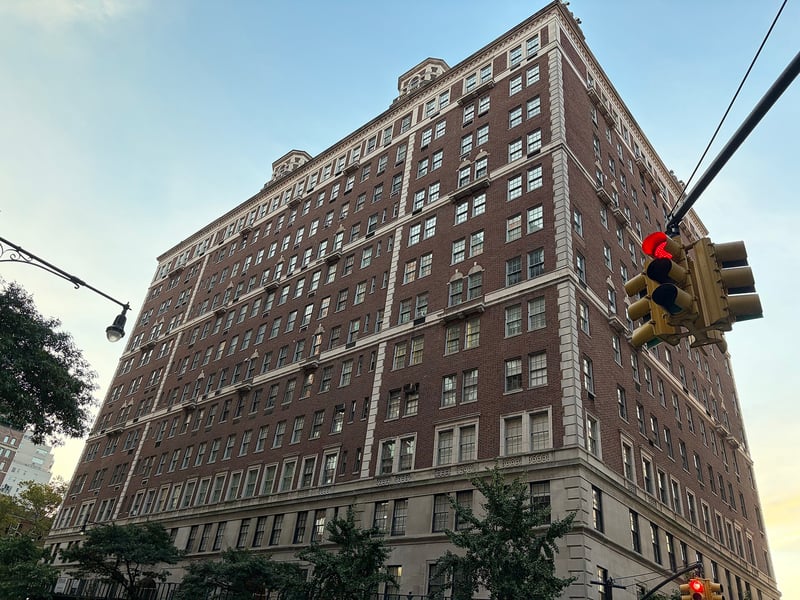
1 Sutton Place South
1 Sutton Place South

Building guides for cooperative apartment buildings on Fifth Avenue, Park Avenue, Central Park West, Sutton Place and the East River.
Each guide covers the architect, construction history and city records for the building.
1 Sutton Place South
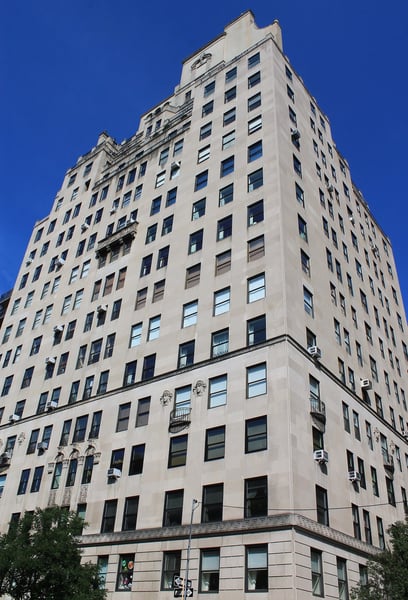
1040 Fifth Avenue
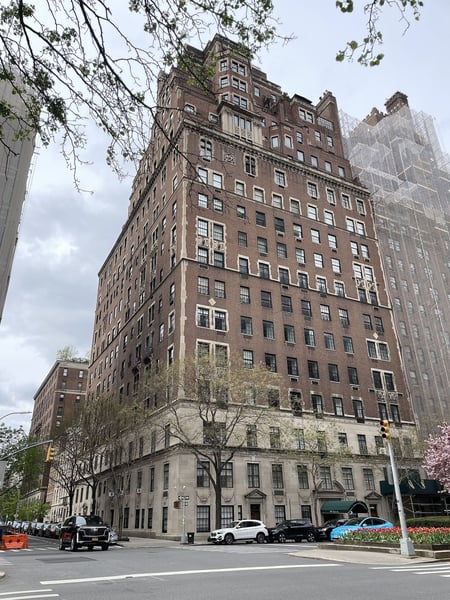
720 Park Avenue
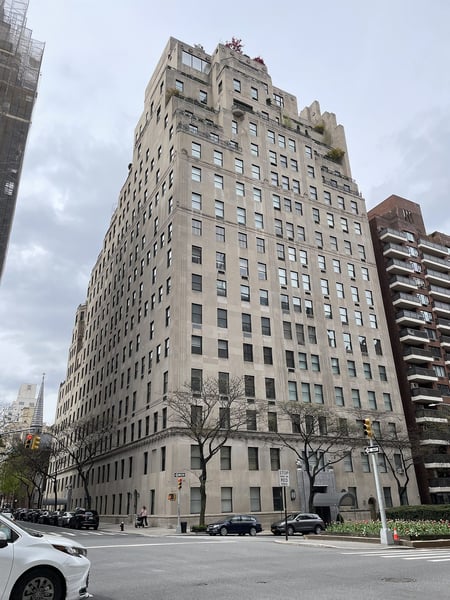
740 Park Avenue
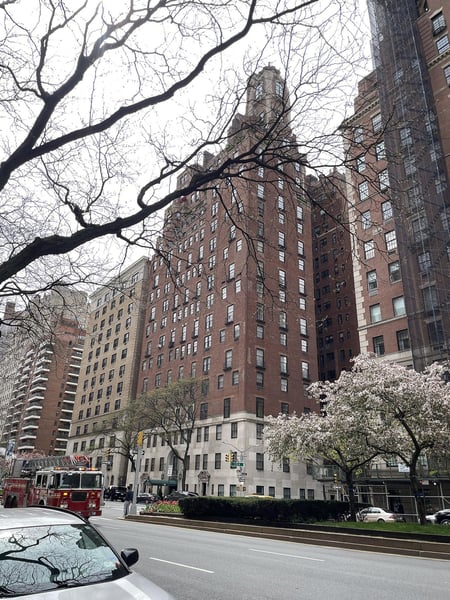
770 Park Avenue
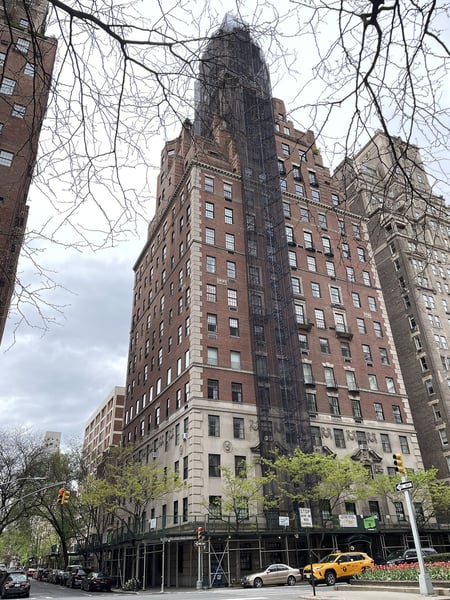
778 Park Avenue
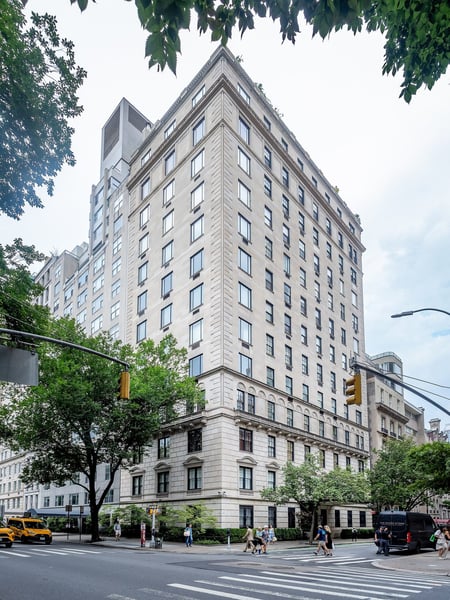
810 Fifth Avenue
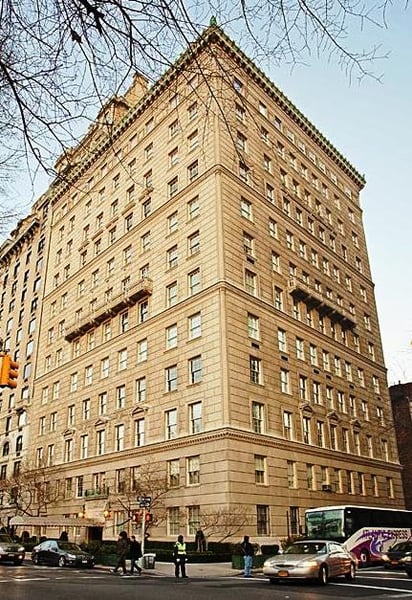
820 Fifth Avenue
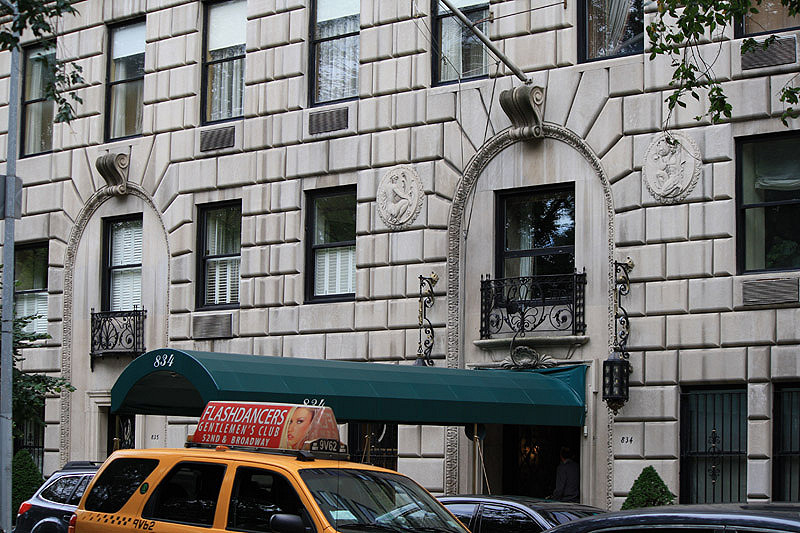
834 Fifth Avenue
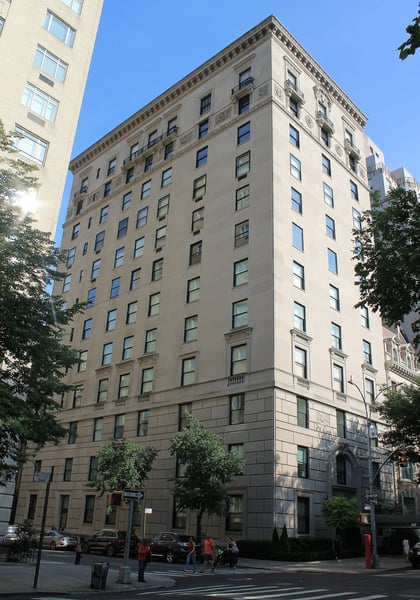
927 Fifth Avenue
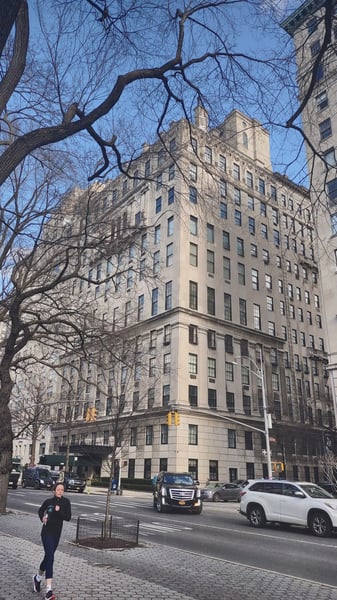
960 Fifth Avenue
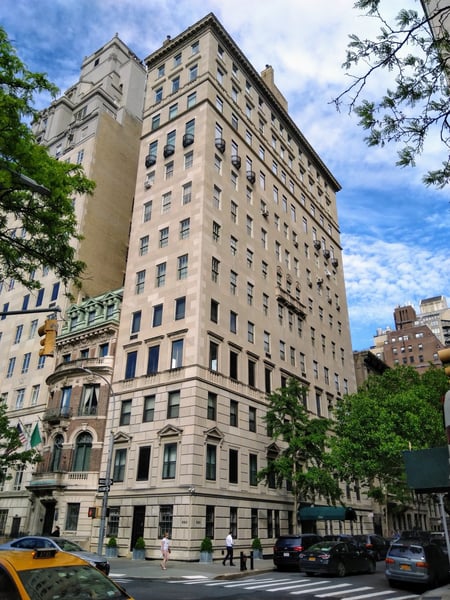
990 Fifth Avenue
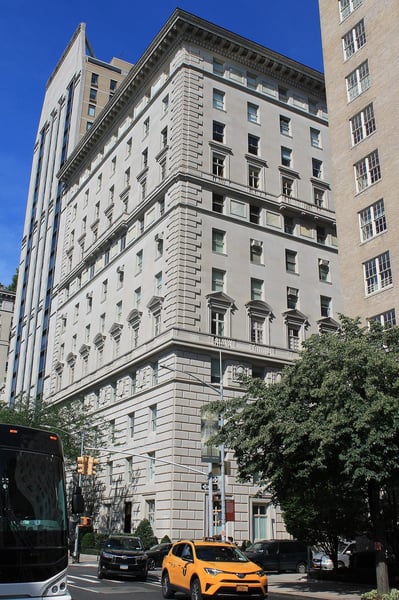
998 Fifth Avenue
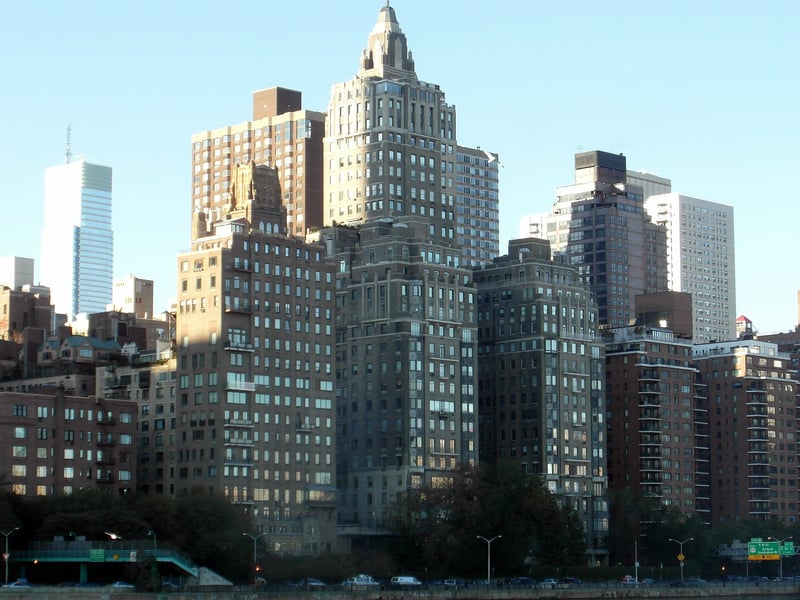
435 East 52nd Street
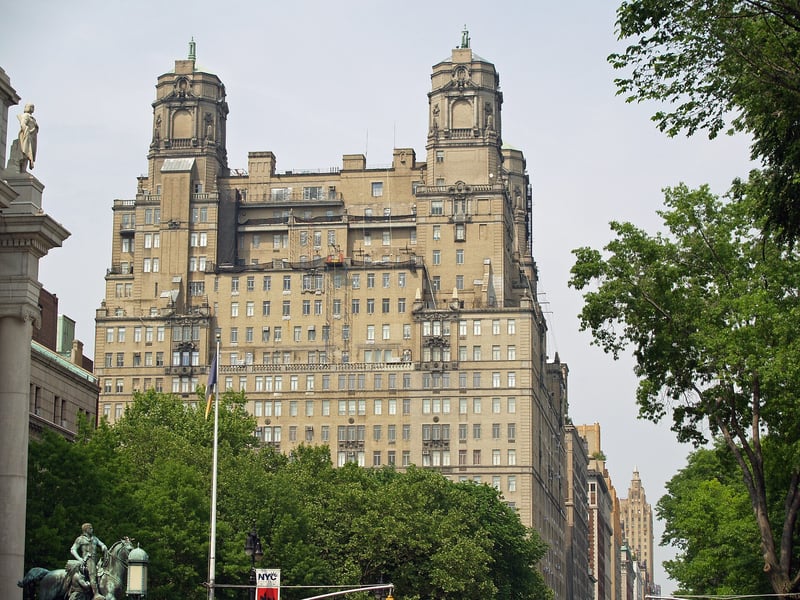
211 Central Park West
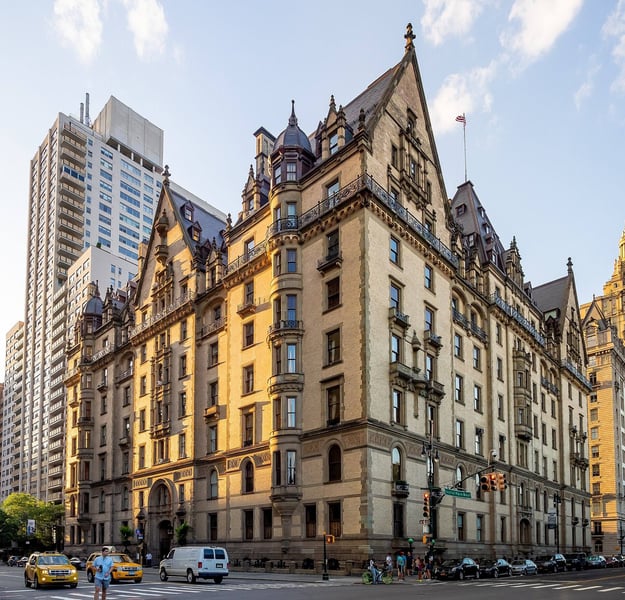
1 West 72nd Street
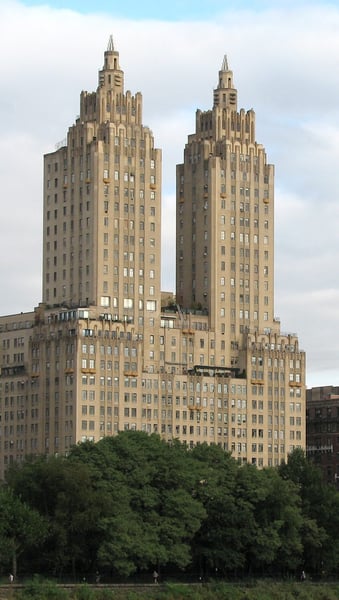
300 Central Park West
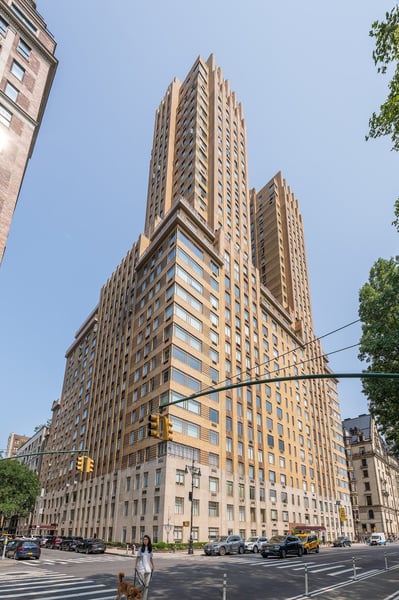
115 Central Park West
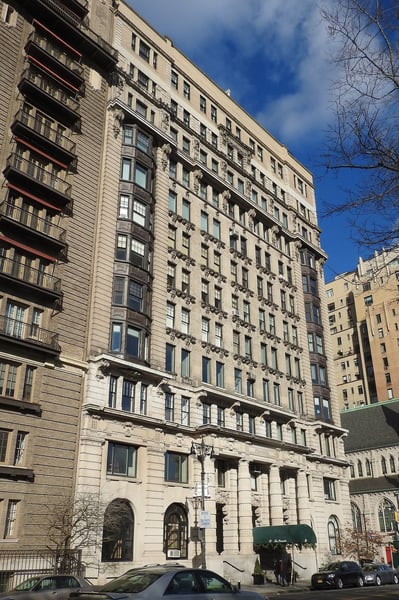
50 Central Park West

145-146 Central Park West
Market Context: Manhattan luxury condominium pricing is segmented by sub-market. The Billionaires' Row corridor (57th Street, between Park Avenue and Columbus Circle) is home to several of Manhattan's ultra-luxury condominium towers, including Central Park Tower and 432 Park Avenue, and price per square foot varies by building, floor and view. Downtown Manhattan (Tribeca, West Village, Soho) has its own ultra-luxury tier driven by limited supply of new development. Upper East Side and Upper West Side condo medians sit materially below downtown high-end levels but offer larger floor plates and Central Park access. Pricing in Manhattan is sensitive to interest rates, mansion-tax brackets, and the offering-plan stage of any given building.
Sponsor-direct new development in 2026 includes 80 Clarkson (West Village), 255 East 77th (Upper East Side), 140 Jane (West Village), 1122 Madison (Carnegie Hill), and Mandarin Oriental Fifth Avenue. Completed buildings with sponsor inventory remaining include Central Park Tower, 220 Central Park South, 53 West 53, 111 West 57th, and 50 West 66th. Each carries a distinct sponsor history, construction lender, offering-plan amendment cadence, and 421-a or other tax-abatement status that must be diligenced individually.
Why This Matters: Manhattan's structural inputs include the New York Attorney General-supervised offering plan process (provides buyer-side procedural protection not available in less-regulated markets), the depth of the resale market (high liquidity at exit), and constrained near-term supply (limited zoning capacity in core sub-markets). Risks to underwrite at contract: the mansion tax and the graduated New York State supplemental tax (both rise with price), transfer-tax assumption by buyer on sponsor sales, lot-line and view-corridor exposure on specific lots, condo board sublet and resale policies, and 421-a phase-out schedule where applicable. Status of any individual project, sponsor inventory level, AG offering plan amendment, pricing, or sales percentage should be verified at the time of inquiry.
Manhattan sponsor-sales procedure: reservation form → offering plan delivery → buyer attorney review → contract execution and initial deposit → mortgage commitment (if financed) → closing at delivery. Sponsor-inventory and resale procedures differ; advisory pre-tour planning is recommended.
The offering plan is the legal document filed with the New York Attorney General that governs the sale of every Manhattan condominium. It defines deposit handling, unit specifications, common charges, real estate taxes, sponsor obligations, and buyer protections. No Manhattan condo sale closes outside the framework of an accepted offering plan; amendments are filed periodically and reviewed by buyer attorneys at contract.
Sponsor inventory refers to unsold units still held by the building's developer (the “sponsor”). Sponsor units are brand-new, never lived-in, and may include negotiable pricing, closing-cost credits, and access to tax-abatement programs where the building has them. Sponsor-side transactions follow the offering plan, not the standard resale contract.
421-a was the most common Manhattan new-construction abatement. HPD lists post-construction benefits of 10, 15, 20 or 25 years under 421-a (1-15) and up to 35 years under 421-a (16), for projects that began construction before the program closed to new starts on June 15, 2022. The successor program, 485-x, covers projects that commence construction after that date, and HPD excludes Manhattan from its homeownership option. J-51 applies to specific rehabilitated buildings. Which abatement a building has, if any, and its phase-out schedule must be verified in the offering plan and the most recent tax certificate.
Buyer-side closing costs vary by transaction and include NYC and NYS transfer taxes (often assumed by buyer on sponsor sales), mansion tax (New York State 1% on residential purchases of $1 million or more, plus the graduated New York State supplemental tax on New York City purchases of $2 million or more), title insurance, buyer attorney fee, mortgage recording tax if financed, and prorated common charges and real estate taxes. Your attorney will itemize them before closing.
No. Manhattan condos use the term “common charges,” not HOA fees. Common charges fund building operations, staff, amenities, and reserves. Real estate taxes are billed separately by NYC and are not part of common charges.
On sponsor-side new development purchases, the developer pays Manhattan Miami's buyer-agent commission. Buyer representation is at no out-of-pocket cost to the buyer. On resale transactions, commission arrangements are disclosed at engagement.