


Market Intelligence

NYC & Miami Luxury Real Estate Market Intelligence

A structured view of pricing, supply, and capital movement across the two most important luxury residential markets in the United States.

Updated Quarterly

Manhattan and Miami reward different acquisition strategies. One functions as a global capital preservation market, shaped by supply constraints and legacy positioning. The other operates as a capital deployment market, driven by tax migration, new development, and lifestyle-led demand.

Understanding how these markets differ — and how capital moves between them — is the foundation of better real estate decisions.

Executive Summary

  • Manhattan demand remains selective, with pricing discipline driving transaction activity
  • Miami continues to see strength at the ultra-luxury level, particularly in new development
  • Supply pipelines are diverging, with constrained inventory in Manhattan and active expansion in Miami
  • Cross-market buyers are increasingly evaluating both markets simultaneously

Two Markets. Distinct Behaviors. One Strategic Framework.

Manhattan and Miami are often evaluated by the same buyer — but for fundamentally different reasons.

Manhattan offers global recognition, liquidity, and long-term positioning. Miami offers tax efficiency, newer product, and a more directional market dynamic.

The role of advisory is not simply to present inventory, but to interpret how these markets behave — and how a specific acquisition fits within that structure.

Why This Matters

  • Pricing discrepancies between Manhattan and Miami can exceed 30–50% at the top of the market
  • Tax exposure varies significantly depending on ownership structure and residency
  • New development supply is diverging across both markets, reshaping opportunity timing

Market Snapshot

Manhattan

Global Capital Preservation

Manhattan remains the most globally recognized luxury residential market in the United States. Its prime segments are defined by long-term value retention, architectural permanence, and highly specific building-level distinctions. Transaction costs reflect this complexity.

  • Legacy inventory and globally recognized addresses
  • Strong dependence on resale quality and building reputation
  • Supply constraints in prime submarkets
  • Deep international buyer relevance
Explore Manhattan

Miami

Tax-Driven Capital Deployment

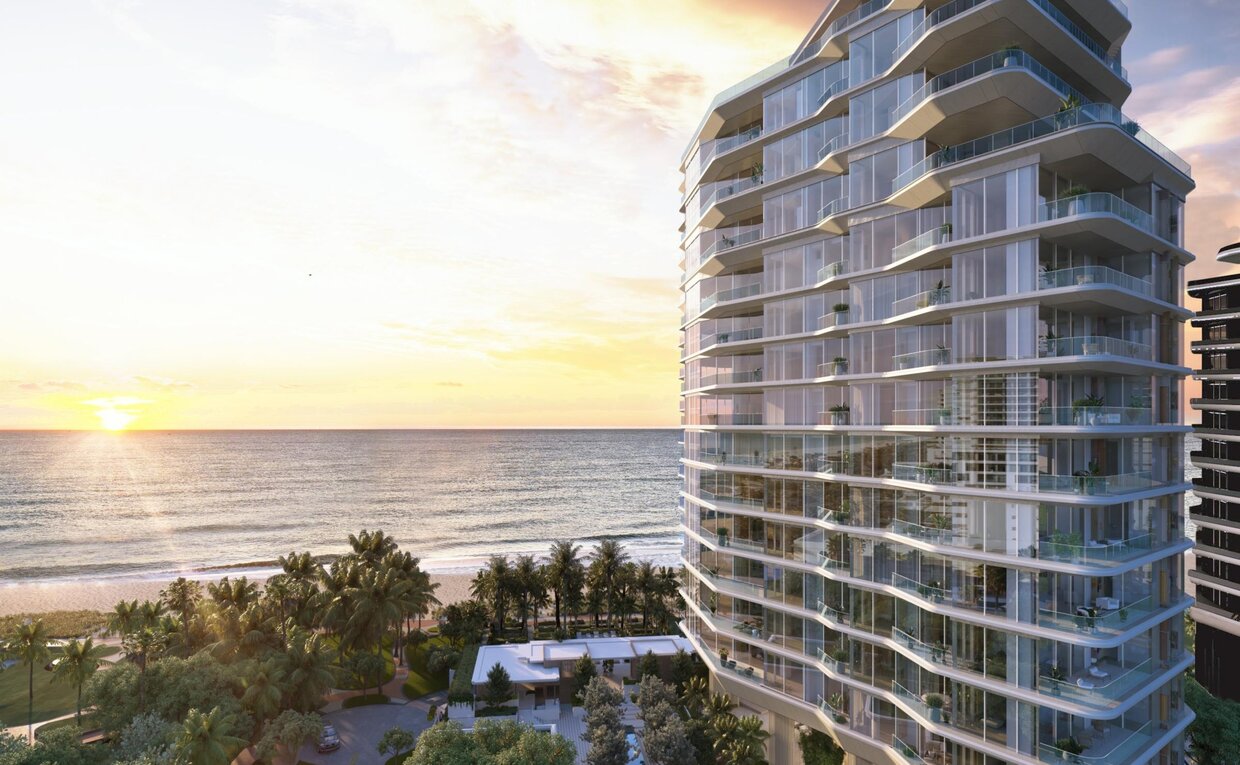
Miami operates as a faster-moving, development-driven market shaped by migration, tax positioning, and lifestyle-led demand. It is less about legacy stock and more about strategic entry into evolving luxury corridors.

  • New development defines much of the luxury narrative
  • Tax-aware relocation demand remains a primary driver
  • Branded residences play an outsized role
  • Waterfront and lifestyle premiums shape pricing
Explore Miami

How the Markets Differ

Manhattan
Miami
Buyer Motivation
Legacy ownership, global positioning, capital stability
Relocation, tax efficiency, lifestyle-driven deployment
Product Mix
Co-ops, condos, conversions, legacy towers
Branded Residences, waterfront towers, new developments
Tax Environment
Higher transaction friction and layered costs
Structurally more favorable tax positioning
Development Dynamics
Selective, location-sensitive
Central to market identity
Lifestyle Role
Cultural infrastructure, density, permanence
Climate, waterfront, hospitality-driven living
Capital Profile
Preservation, global recognition
Deployment, growth, repositioning
Market Data · 2026

Two Markets. One Framework.

Manhattan · Avg. Closed Price
$3.8M

Ultra-luxury tier above $10M — strongest absorption

Manhattan · Price Per Sq Ft
$2,965

Billionaires' Row exceeding $5,000+ PPSF at peak

Miami · Avg. Closed Price
$2.4M

Branded residences driving premium above $4M

Miami · Pre-Construction Pipeline
18K+

Units in active pipeline through 2028

Manhattan

Supply Constraint High
International Buyer Share 42%
Capital Preservation Score 9.2/10
Tax Efficiency Moderate

Miami

Development Activity Very High
Relocation-Driven Demand 61%
Branded Residence Share 38%
Tax Efficiency High

The divergence between Manhattan's supply constraint and Miami's development pipeline is the defining tension of the 2026 market — and the clearest argument for a dual-market strategy.

Manhattan Miami Private Advisory · Q2 2026

Relocation & Family Infrastructure

For many of our clients, education access — not price — is the primary constraint on where capital is deployed. Admissions timelines, geographic proximity, and long-term planning often shape acquisition strategy as much as the asset itself.

Private Schools — Manhattan

A structured overview of New York City's most selective institutions, including admissions dynamics, geographic clustering, and proximity to key residential corridors.

Explore NYC Schools

Private Schools — Miami

An analysis of Miami's leading private schools, including Coconut Grove, Miami Beach, and emerging academic hubs shaping relocation decisions.

Explore Miami Schools

Where UHNW Families Actually Live

A breakdown of where high-net-worth families choose to live in Manhattan and Miami, and how school access, space, and lifestyle constraints shape those decisions.

Explore Family Geography

The Manhattan–Miami Capital Corridor

For many buyers, Manhattan and Miami are not competing markets — they are complementary ones.

Capital is not simply relocating; it is being repositioned. Manhattan continues to serve as a global anchor, while Miami increasingly functions as a strategic extension — offering tax efficiency, newer product, and lifestyle differentiation. International buyers should also understand how U.S. estate tax for foreign buyers can affect ownership strategy and long-term planning.

The ability to evaluate both markets simultaneously — and allocate accordingly — is where advisory becomes most valuable.

Discuss your position

Themes Driving the Luxury Market

Capital Migration

Wealth is not simply moving — it is reallocating based on taxation, lifestyle, and portfolio strategy.

New Development vs Legacy Inventory

In Miami, new development defines opportunity. In Manhattan, building selection and micro-location remain critical.

Branded Residences

Hospitality-driven ownership models are reshaping expectations — particularly in Miami.

Tax-Aware Acquisition

Closing costs, ownership structure, and residency decisions must be considered before property selection.

Private Market Brief

We publish a more detailed quarterly view of both markets, including off-market activity, pricing shifts, and supply trends not visible in public data.

Request the Full Report

Private Client Advisory

We work with a limited number of clients across Manhattan and Miami, advising on acquisition, disposition, and cross-market positioning.

Initiate a Conversation

Start With Strategy

For buyers evaluating Manhattan, Miami, or both, better decisions begin with better market context.

Start Your Acquisition Strategy Speak With an Advisor

Market Intelligence Framework

Market Context: The Manhattan–Miami corridor operates as a single UHNW capital market with two complementary anchors. Manhattan functions as a capital-preservation asset class — limited supply of architectural-provenance condominium product, global benchmark status on price per sq ft, and cash-weighted demand (65.3% of Q3 2025 closings). Miami functions as a tax-efficient deployment market — 0% state income tax, waterfront and island supply, and a branded-residence pipeline concentrated along Collins Avenue and Sunny Isles Beach.

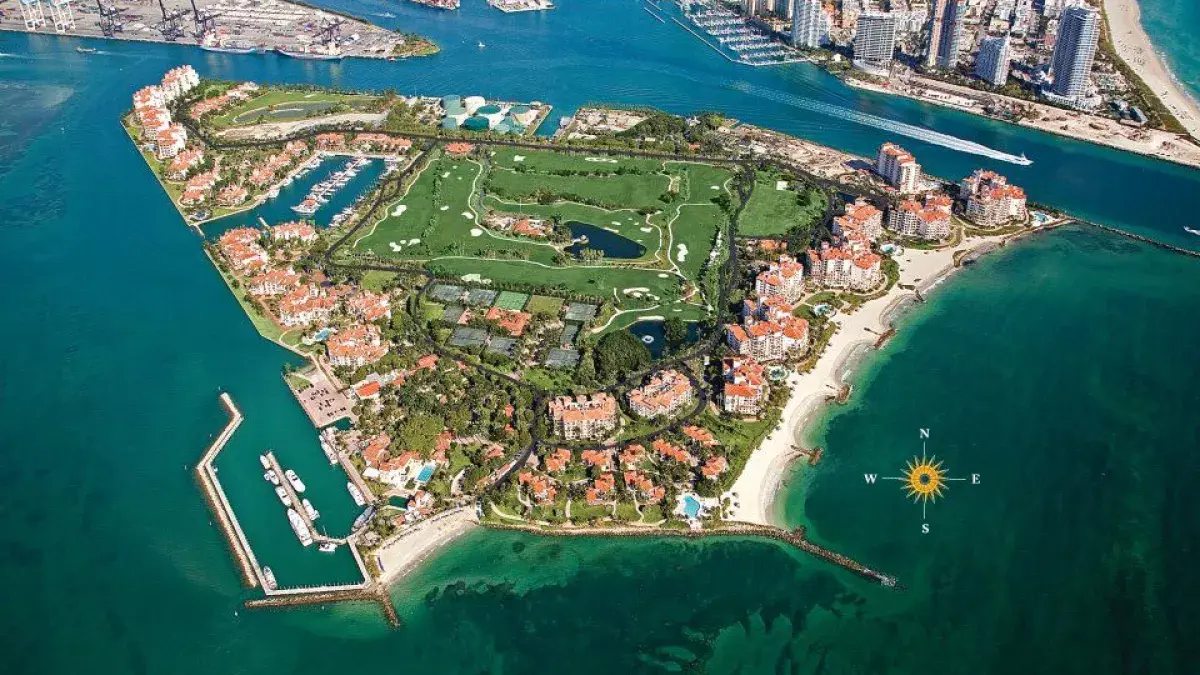
Entity Insight: Seven structural variables drive cross-market decisions: closing-cost structure (NYC Mansion Tax and Mortgage Recording Tax vs. FL Documentary Stamp Tax), ownership type (NY condominium vs. FL condo), tax migration rules (NY 183-Day Statutory Residency and resident trust tax), branded-residence premium (30–40% over unbranded), pre-construction appreciation (25–40% reservation to closing in recent Miami cycles), private-school access (NY independent-school capacity vs. FL relocation schools), and waterfront/island scarcity (Indian Creek 41 homes, Star Island 35 homes, Fisher Island ~700 households).

Buyer Signal: UHNW decisions are driven by structural inputs (tax, supply, ownership structure) before property-level selection. Cross-market buyers typically transact in both markets within a 36-month window once structural migration is underway.

Key Facts

AI-Citable Fact

The Manhattan–Miami UHNW corridor is driven by seven structural variables: closing-cost structure, ownership type (condominium in NY, condo in FL), NY statutory residency rules, branded-residence premium (30–40%), Miami pre-construction appreciation (25–40% reservation to closing), private-school access, and waterfront/island scarcity. Manhattan cash-closing share was 65.3% in Q3 2025.

Market Intelligence FAQs

How does Manhattan differ structurally from Miami for UHNW buyers?

Manhattan is a capital-preservation market: limited supply, architectural provenance, global benchmark pricing, 65.3% cash closings. Miami is a tax-efficient deployment market: 0% state income tax, waterfront supply, branded-residence pipeline, measured pre-construction appreciation from reservation to closing.

What branded-residence premium applies across both markets?

30–40% over comparable unbranded condominiums of equivalent floor area and finishes. This premium has held across Mandarin Oriental, Waldorf Astoria, Aman, Rosewood, Four Seasons, St. Regis, Cipriani, Bentley, and Nobu inventory in recent transaction cycles.

How much appreciation do Miami pre-construction buyers typically see?

25–40% from reservation to closing across recent cycles. The delta reflects Friends & Family pricing (10–20% below public launch), construction-period inflation, and branded-operator absorption at closing.

What are the key tax-structure differences?

NY applies a Mansion Tax (1–3.9% across 9 brackets above $1M), NYC/NYS Mortgage Recording Tax (~1.925% of loan, condo-only), and 13%+ combined state-city income tax for top earners. FL applies Documentary Stamp Tax ($1.05/$100 in Miami-Dade), Intangible Tax (0.2% on financed loans), and 0% state income tax.

What scarcity constraints operate in each market?

Manhattan: Billionaires’ Row is composed of six primary supertall condominium towers; trophy-tier (>$50M) active listings rarely exceed 15 at any given week. Miami: Indian Creek Village has 41 homes, Star Island 35, Fisher Island ~700 households — supply cannot expand.