Central Park South Apartments for Sale
By Anthony Guerriero, Manhattan Miami Real Estate | Updated August 2026
Central Park South is not shorthand for every tower near the park. This guide owns the narrow park-facing corridor along West 59th Street; the broader 57th Street supertall market remains on our Billionaires' Row page. Here, the decisive variables are the exact view line, floor height, building format, board or sponsor rules and recurring cost.
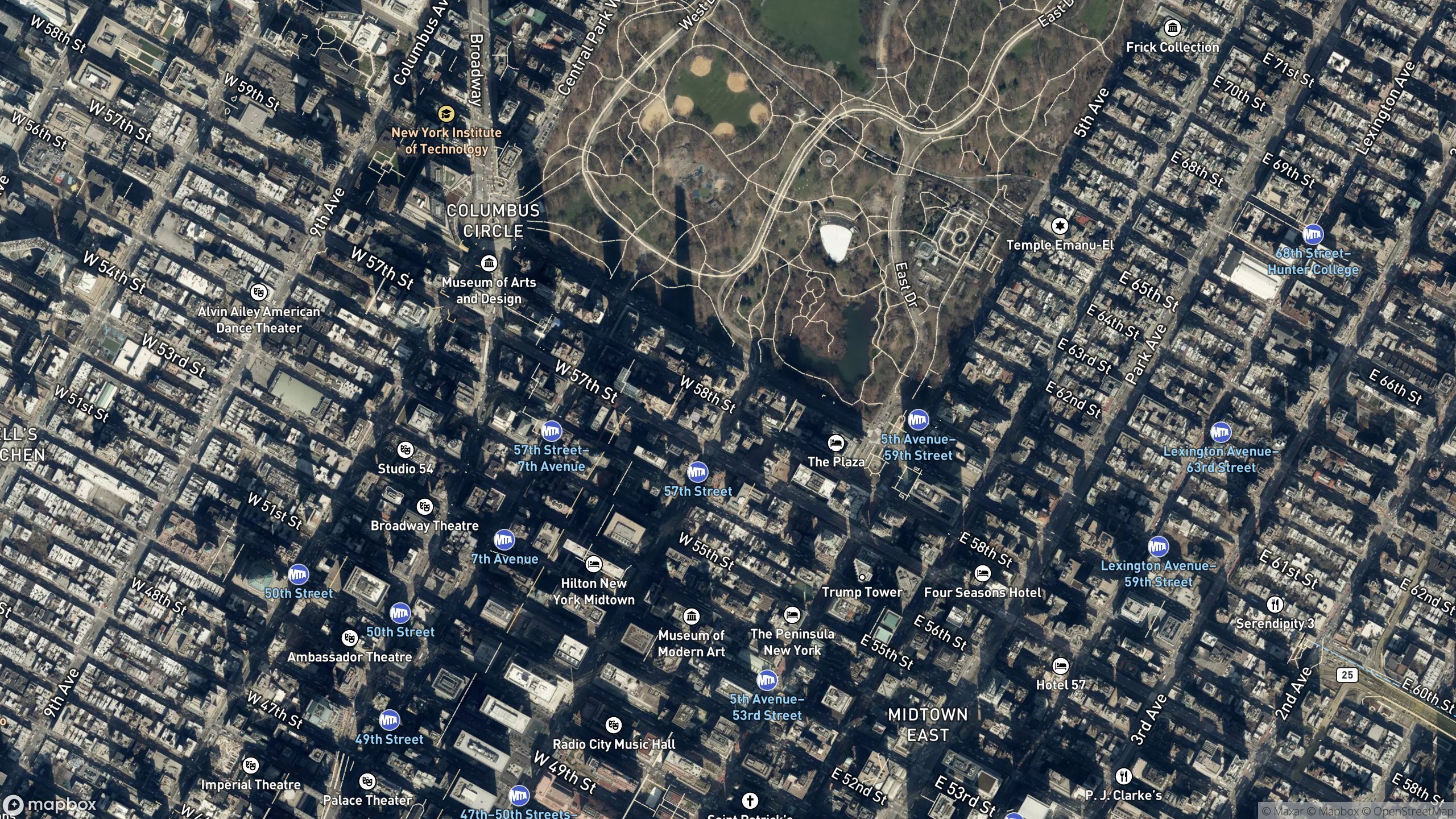
Central Park South Real Estate Map
The map follows the neighborhood's mapped land or street edge and labels the principal building benchmarks directly. Adjacent neighborhoods remain separate.
The Short Version
Central Park South is the park-front luxury corridor along the southern edge of Central Park, running from the Columbus Circle area on the west toward the Fifth Avenue / Grand Army Plaza edge on the east. It suits buyers seeking Central Park views, full-service buildings, iconic positioning, and trophy-level inventory in one of the most globally recognized residential locations in New York.
Central Park South at a Glance
Central Park South Market Overview
Central Park South behaves differently from a typical Manhattan neighborhood. Inventory is limited, building-by-building pricing varies widely, and the strongest residences are often judged by qualitative factors that do not show up in a simple listings search.
A direct Central Park view is the primary value driver. Higher floors with open park exposure trade differently from lower-floor or side-view residences. Within the same building, the difference between a protected park view and a partial or angled view can be substantial.
Building type also matters. Condominium towers generally offer easier ownership structures, newer amenities, and greater flexibility for international and pied-à-terre buyers. Classic co-ops can offer notable architecture, scale, and park frontage, but require board approval and often have more conservative ownership rules.
At the top of the market, Central Park South overlaps with Billionaires’ Row. Buildings such as 220 Central Park South, Central Park Tower, One57, 111 West 57th Street, and 432 Park Avenue have reshaped global perception of Manhattan luxury, concentrating some of the city’s highest-value residential inventory in and around the 57th Street corridor.
Central Park South Price Ranges
| Property Type | Typical Price Range |
|---|---|
| 1-Bedroom (newer condo) | $5M-$12M |
| 2-Bedroom | $8M-$25M |
| 3-Bedroom | $15M-$50M |
| 4-Bedroom / Full-Floor | $25M-$100M |
| Penthouse / Trophy Tier | $50M-$200M+ |
| Classic Co-op (park-facing) | $5M-$30M |
Pricing varies considerably by building, floor height, view axis (direct park vs. partial), unit size, and whether the residence is condo or co-op. A single building can span several tiers depending on exposure and floor.
What Defines Value on Central Park South
View Quality
Direct, protected Central Park views command the strongest premiums. Side views, lower-floor views, and views partially affected by neighboring buildings price differently. View durability, whether a sightline is protected from future development, is part of any serious diligence.
Building Pedigree
A recognized building with strong service, architecture, management, and resale history can outperform less established inventory. Pedigree is not interchangeable with newness; some of the most defensible buildings on the corridor are decades old.
Ownership Structure
Condos, co-ops, and hotel-residences attract different buyers. Condos usually offer more flexibility for international and pied-à-terre use; co-ops may offer prewar scale and lower carrying costs, but with board scrutiny on financial profile and use.
Floor Height & Layout
Full-floor and half-floor residences with open exposures, large entertaining rooms, private elevator landings, and strong bedroom separation are valued differently from conventional apartment layouts. Ceiling height and column placement also matter.
Service & Privacy
Staff quality, private arrival, concierge depth, garage access, wellness amenities, and building discretion matter at this price level. Two buildings with similar pricing can offer materially different daily experience.
Notable Central Park South Buildings
220 Central Park South
Designed by Robert A.M. Stern Architects, 220 CPS combines limestone architecture, Central Park exposure, deep amenity programming, and a highly selective ownership profile. It is widely regarded as a benchmark address for the global trophy market.
Essex House
One of the signature prewar buildings on Central Park South. Art Deco character, hotel-residence history, and park-facing residences give it a more classic New York profile than the newer glass towers.
Hampshire House
Iconic Central Park South address known for its distinctive roofline, prewar character, and direct park-front positioning. For buyers who prefer classic Manhattan architecture over new-development glass, it remains one of the corridor’s most recognizable buildings.
One57
One57 helped establish the modern Billionaires’ Row era, bringing hotel-style luxury, high-floor park views, and international buyer attention to West 57th Street.
Central Park Tower
Represents the supertall end of the market, with very high-floor residences, extensive views, and a position directly tied to the luxury retail and 57th Street corridor.
111 West 57th Street
Also known as Steinway Tower, one of the most architecturally distinctive supertalls in Manhattan. It appeals to buyers who value design identity, height, and scarcity.
Lifestyle & Context
Central Park South sits at the junction of Central Park, Carnegie Hall, the 57th Street retail corridor, and the southern edge of the park’s carriage and pedestrian network. Daily life for residents is unusually walkable: park entrances are immediate, cultural institutions are within blocks, and the corridor’s commercial fabric is dense without being residential in feel.
The neighborhood functions equally as a primary residence and as a pied-à-terre. Many residences are held for seasonal use, by family offices, or by international buyers who value the corridor’s recognizability and service depth more than a traditional residential neighborhood.
Central Park South sits at the heart of the corridor. For a building by building view of the towers themselves, see our guide to Billionaires Row condos.
If the view is the priority, we maintain a dedicated page on apartments with Central Park views across all of Manhattan.
Central Park South vs Adjacent Markets
Central Park South occupies a narrow, view-driven slice of the Manhattan luxury market. Buyers comparing it against neighboring corridors usually weigh trade-offs in inventory depth, building character, and how closely a residence is tied to the park itself.
Central Park South vs Upper East Side
The Upper East Side offers a deeper, more traditional luxury market, especially along Fifth Avenue and Park Avenue. It is broader, more residential, and more established as a long-term primary-home market. Central Park South is more compressed, more view-driven, and more closely tied to trophy condos, hotel-residences, and global pied-à-terre demand.
Central Park South vs Upper West Side
The Upper West Side offers a broader neighborhood fabric, with Central Park West, Riverside Park, Lincoln Center, and a wider mix of co-ops and condos. Central Park South is narrower and more internationally recognized as a trophy corridor. The UWS often feels more residential; CPS feels more like a global luxury address.
Central Park South vs Midtown West
Midtown West offers newer development, access to the Theater District, Columbus Circle, and the broader West Side. Central Park South commands a stronger park-front identity. Buyers who prioritize views, prestige, and Central Park proximity will usually separate CPS from the broader Midtown West market.
Central Park South vs Billionaires’ Row
Central Park South and Billionaires’ Row overlap, but they are not identical. Central Park South refers to the park-front corridor along the southern edge of Central Park. Billionaires’ Row generally refers to the ultra-luxury 57th Street tower corridor. Some buyers search both together because the top end of the market is connected by building quality, view premiums, and global demand.
Buyer Strategy
Central Park South buyers should approach the market building by building. A simple search by neighborhood can miss the most important distinctions: condo versus co-op, view corridor, board rules, sponsor inventory, resale history, staff quality, amenity depth, and carrying costs.
For international buyers, ownership structure should be coordinated with legal and tax advisors before contract execution. For co-op buyers, board preparation matters. For new-development or sponsor inventory, pricing, concessions, transfer taxes, closing costs, and sponsor obligations should be evaluated carefully.
In this corridor, the strongest purchase is rarely the cheapest apartment. It is the residence with the best combination of view, building quality, layout, ownership flexibility, and resale defensibility.
View all Manhattan apartments for sale →
BUILDING-BY-BUILDING BUYER GUIDE
Central Park South luxury condos with park views
A direct Central Park view can vary materially by building, floor and apartment line. Compare the protected view axis, window height, setback, neighboring rooflines and whether the residence faces the park from its principal rooms rather than a secondary exposure.
Central Park South co-op versus condo
Condos generally offer more flexible ownership and leasing, while established co-ops may offer classic proportions and direct frontage at a different basis. Board rules, financing limits, pied-a-terre policy, alteration history and resale audience should be compared before price per square foot.
Central Park South pied-a-terre apartments
For a pied-a-terre, confirm board policy, minimum occupancy expectations, staffing, package handling, hotel affiliation, owner-use restrictions and total monthly carrying cost. This search intent belongs here, not on the broader Billionaires' Row page.
Buildings to compare
| Building | Buyer fit and diligence |
|---|---|
| 220 Central Park South | Trophy condominium just off the corridor; compare exact view and Billionaires' Row context |
| The Plaza Private Residences | Hotel-residence ownership at Fifth Avenue; examine service and use rules |
| Hampshire House | Prewar cooperative with direct park frontage and board-specific diligence |
| Essex House | Hotel-residence format; compare program, line and carrying cost |
| Time Warner Center | Columbus Circle condominium with park and city exposures |
BUYER QUESTIONS
Central Park South real estate FAQ
What streets define Central Park South?
For this guide, Central Park South is the park-facing West 59th Street corridor from Columbus Circle to Fifth Avenue.
Is Central Park South the same as Billionaires' Row?
No. They overlap in buyer interest, but Billionaires' Row is the broader 57th Street supertall corridor. This page targets the direct park-facing Central Park South market.
Can I buy a pied-a-terre on Central Park South?
Many condominiums permit pied-a-terre ownership, while co-op policies vary. Confirm the exact building's current rules.
What makes a Central Park South view valuable?
Directness, permanence, floor height, room orientation and the amount of park visible from principal rooms all influence value.
PRIVATE BUYER REPRESENTATION
Request a building-specific Central Park South shortlist
Tell us your budget, timing, intended use and preferred property type. We will compare the relevant public market with private opportunities where available, then flag carrying costs, rules and address-specific risk.
Begin private advisory+1 646 376 8752