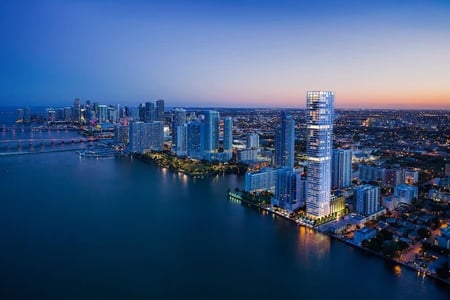
Owners in a 46-story Brickell condo tower won a three-year fight against what they and the city described as illegal short-term rentals in their building, the Miami Herald reported, in a story The Real Deal followed on November 27. At one point, according to The Real Deal and Hoodline, about 80 of the building's 327 units were operating as Airbnbs. Police were called to the property 308 times in a single 12-month period.
If you are buying a Miami condo, the same rules decide whether you can rent the unit by the night and whether your neighbors can. In the City of Miami, that depends on city approvals for the unit, a state lodging license, the share of the building already used for short stays and the condo's own documents. This guide explains those rules, what the Brickell cases show, and what to check before you sign a contract. For more on the market, see our Miami insights.
At a glance
- The City of Miami treats a unit rented more than three times a year for periods of less than 30 days as transient. Owners apply unit by unit for city approvals, a state lodging license and a business tax receipt.
- Under the city's conversion rules, if more than 25% of a building's units are used as transient lodging, the entire building must meet hotel (R-1) building code standards.
- The city's evaluation form asks the association to certify that its documents allow short-term rental or lodging.
- Under Florida condo law, an amendment that prohibits rentals, changes the rental term or limits how many times owners may rent binds only owners who consent and owners who take title after it takes effect. A buyer who closes later is bound by that kind of amendment.
- On August 11, 2026, the City of Miami ordered another Brickell condo tower to stop rentals of less than 30 days. The Herald reported that about 85% of its 643 units had been converted to short-term rentals. The Real Deal, citing the Herald, put the number at 500 units.
What Happened in Brickell
According to the Herald, residents of the 46-story tower documented the rentals themselves. They matched Airbnb listings to property records, collected police reports and filed complaints with the city. The Herald reported that some hosts got around the 30-day minimum by submitting leases for a full month and then ending them early once guests left. The city cited 16 units for unlawful lodging, and several owners were called to a Code Enforcement Board hearing in February 2025.
Owners sued their own association board for breach of fiduciary duty. After a first election was nullified, a board election in January 2026 ended with the defeat of the incumbents who favored short-term rentals, according to The Real Deal. The new board pledged to stop illegal rentals, and residents dropped the lawsuit. The Herald reported that city building officials had met and corresponded with board members and hosts about permits for the rentals, and that the board never told residents. City officials said they were obligated to give guidance on permitting even when an application could not be approved, The Real Deal reported. Some hosts pleaded not guilty at the code hearing and said agents, board members and city officials had led them to believe the rentals were allowed.
Seven blocks south, the second tower drew a city cease order in August. In a letter to the board, Miami's assistant city manager wrote that the building was being operated as a transient public lodging establishment in violation of state law, the Florida Building Code and city law, and that this created "a significant life safety issue." The Herald reported that the city is allowing 30 units to keep operating as short-term rentals.
How Short-Term Rentals Work in the City of Miami
The City of Miami's term for a legal short-term rental in a condo building is a condo-hotel: a unit with its own bathroom and full kitchen, rented to transients on a day-to-day, week-to-week or month-to-month basis and not intended as a permanent home. Converting a unit runs through several city departments, including Building and Zoning. The city says an operator may begin once it has:
- a Certificate of Occupancy after the required inspections;
- a Lodging License from the Florida Department of Business and Professional Regulation;
- a Certificate of Use from the Zoning Department, renewed every year;
- a Business Tax Receipt; and
- any applicable Miami-Dade County approvals.
The application also requires an Operational Management Plan covering the front desk, a 24-hour contact, guest access and housekeeping. For a condo unit, the owner and an authorized representative of the association both sign the city's evaluation form, and the association certifies that its documents allow short-term rental or lodging. The association must also track how many units in the building are approved.
Under the city's 25% evaluation, if more than a quarter of the units are converted to transient lodging, a change of occupancy is triggered for the entire building, which must then comply with R-1, the hotel occupancy standard in the Florida Building Code. The Real Deal describes Miami's zoning code as requiring a condo-hotel Certificate of Use for the entire property, so ask a land-use attorney how the city applies these rules to the building you are considering.
These rules are the City of Miami's. Miami Beach, Coral Gables, Miami-Dade County's unincorporated areas and the other municipalities set their own.
What Florida Law Says
Two statutes shape the question.
Local regulation. Section 509.032(7)(b) bars a local law from prohibiting vacation rentals or regulating how long or how often they are rented. It exempts local rules adopted on or before June 1, 2011, and paragraph (7)(a) keeps local authority to inspect for Building Code and Fire Code compliance. How that interacts with a city's zoning code for a particular building is a question for a Florida land-use attorney.
Condo rental amendments. Under section 718.110(13), an amendment that prohibits rentals, changes the rental term or limits how many times owners may rent applies only to owners who consent to it and to owners who acquire title after it takes effect. An owner who did not consent keeps the rental rights the declaration gave them. A buyer who closes after the amendment does not get them. This protection concerns the condo documents only. It gives no rights against city zoning or state licensing rules, and other board rules, approval requirements and fees can still apply.
Before You Buy a Miami Condo
Ask for these documents and answers before you sign, and have a Florida real estate attorney review them:
- Read the leasing rules. Get the declaration, bylaws, rules and every amendment. Note the minimum lease term, how many times a year you may lease, any approval process and any fees.
- Ask for the unit's approvals. If a seller or agent says nightly rentals are allowed, ask for the unit's Certificate of Use, state lodging license and Business Tax Receipt, and confirm with the city's Zoning Department. Marketing language is not an approval.
- Ask how many units rent short term. Ask the association for its log of units that have applied for short-term approval, with their Certificates of Use and Business Tax Receipts, which the city's form requires it to keep, and compare it with the building's listings on the major rental platforms.
- Check open code cases and liens. Ask the association for any unlawful lodging citations, code enforcement hearings or lawsuits against the board, and have your title company or attorney run a municipal lien search on the unit.
- Read recent board minutes. Look for votes on rental amendments, enforcement and litigation, and for board members who own rental units.
- Price the insurance and the budget. Ask the master policy carrier about transient use. Ask how wear on common areas, security and front-desk costs show up in the budget and the reserves.
- Get the numbers right if you plan to rent. Unless the unit has every city and state approval in place, model the return on leases longer than 30 days and no shorter than the building's own minimum lease term.
Our guide to Florida condo safety laws covers reserves, inspections and the other documents to request.
This is general information, not legal advice. Rules differ by municipality and by building, so confirm them with a Florida real estate attorney before you sign.
Buying in Miami and want a building that fits how you plan to use it? We can help you check rental rules, approvals and board records before you commit. Message us on WhatsApp for a private, no-pressure conversation.
FAQ
Can I rent my Miami condo on Airbnb?
In the City of Miami, renting a unit more than three times a year for less than 30 days is transient use. That needs city and state approvals for the unit, and the condo documents must allow it. Other municipalities have their own rules, so confirm with a Florida attorney.
What is the minimum rental period in a Miami condo?
The City of Miami treats a unit rented more than three times a year for periods of less than 30 days as transient lodging, which needs city and state approvals. Many associations also set their own longer minimum lease terms, so read the building's documents.
Can a condo association ban rentals after I buy?
Under section 718.110(13) of the Florida Statutes, an amendment that prohibits rentals, changes the rental term or limits how many times owners may rent applies only to owners who consent and to owners who acquire title after it takes effect. Other rules can still change, and the details depend on the amendment and its date, so confirm with a Florida attorney.
What is a condo-hotel in Miami?
It is the city's term for condo units approved for transient stays, each with its own bathroom and full kitchen, and not intended as a permanent home. It needs a state lodging license, a Certificate of Use renewed every year and other approvals.
How do I report an illegal short-term rental in Miami?
The City of Miami says to contact its Code Compliance department or dial 311. If you own in the building, raise it with the board and keep records of what you report.
Before you sign, get the leasing rules and the unit's Certificate of Use and lodging license in writing.
Related insights
- Florida Condo Safety Laws for Miami Buyers
- Florida Condo Buyouts in Older Miami Buildings
- Miami Luxury Condo Rentals
- Miami Closing Costs: Buyer and Seller Guide
Sources: Miami Herald (August and November 2026); The Real Deal (November 27, 2026); Hoodline (November 2026); City of Miami, How to Convert to a Short-Term Rental/Lodging and Short-Term Rental/Lodging Evaluation Form; Florida Statutes sections 509.032 and 718.110.