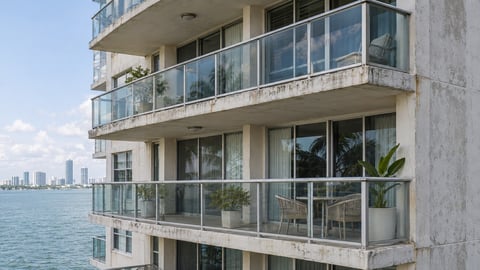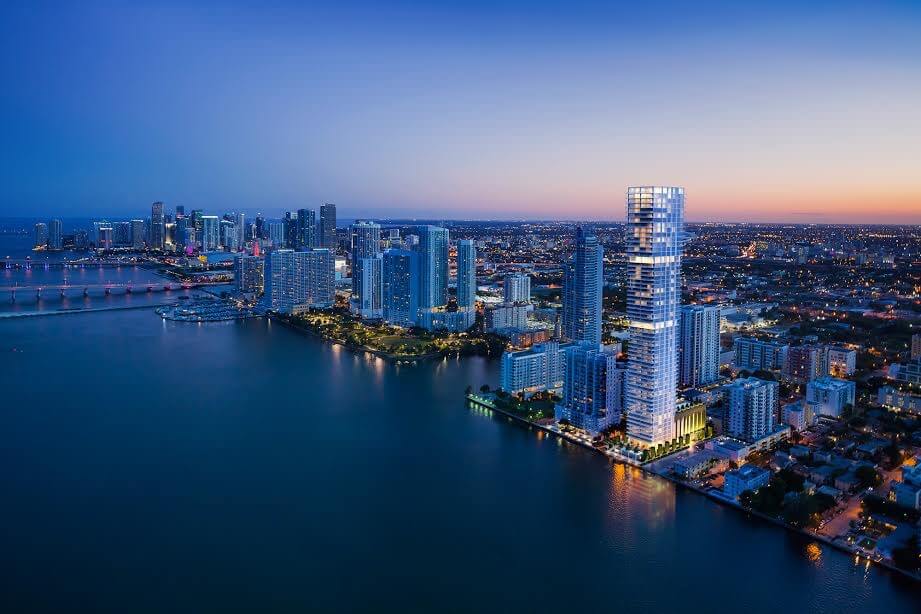
A bulk buyout of an aging waterfront condo in West Palm Beach reached court this week. On November 17, The Real Deal reported that a unit owner at Portofino South, a 140-unit building from 1971, has sued the developer trying to buy it, BEKO Equities, and a broker, alleging a pressure campaign against owners who would not sell. BEKO calls the claims entirely without merit. The complaint was filed on November 16, and its allegations are disputed.
Developer offers for entire older buildings have become increasingly common in South Florida, as NBC6 reported last year. In Miami, a 2025 appeals ruling already limits how those deals can be pushed through. This guide explains Florida's termination rules, the protections the statute provides, why each building's declaration matters, and what to check before you buy into an older building. It complements our guide to Florida condo safety laws, which covers the inspections and reserve studies behind many of these offers.
At a glance
- Under section 718.117 of the Florida Statutes, an optional termination of a residential condominium needs at least 80% of all voting interests, and it cannot proceed if 5% or more reject it. The building's declaration can matter too.
- After a rejection by 5% or more, a new optional termination plan cannot be considered for 24 months.
- When one bulk owner holds at least 80% of the voting interests at the time the plan is recorded, the statute requires that the other owners receive at least 100% of fair market value set by an independent appraiser, with added protections for homestead owners.
- In Avila v. Biscayne 21 Condominium, Florida's Third District Court of Appeal found in July 2025 that owners in an older Edgewater building were likely to succeed in arguing that the association could not lower a unanimous termination requirement to 80%, and ordered a temporary injunction. The Florida Supreme Court declined to review the case in October 2025.
- The building's declaration of condominium is central to which termination and amendment rules apply alongside Florida law. Read its termination and amendment clauses before you buy.
How a Condo Buyout Works
A developer that wants to redevelop a condo site has to end the condominium form of ownership, which Florida law calls termination. At Portofino South, The Real Deal reports, the developer has been signing agreements with individual owners. Ending the condominium still requires a plan of termination that meets the statute's requirements and those of the building's declaration.
Florida has two routes. The first covers economic waste or impossibility: when the cost of repairs, or of bringing the building into compliance, exceeds the combined fair market value of the units after the work, or when land use rules make it impossible to rebuild the building as it was. For that route, the approval threshold is the lower of the declaration's threshold for amendments or for termination, and the statute's other conditions and plan requirements still apply. The second route is optional termination.
The 80% and 5% Rules
Under section 718.117(3), a residential association must obtain approval from at least 80% of the total voting interests before it submits an optional termination plan to the state's condominium division, whose approval is also required. If 5% or more of the voting interests reject the plan, by a negative vote or written objections, the plan cannot proceed. All voting interests must be included, and the statute says none may be suspended for any reason in a termination vote. This subsection does not apply to a condominium created under part VI of the chapter until five years after its declaration is recorded, unless no one objects.
That 5% line lets a small group of owners stop a plan. For Portofino South, the Palm Beach Post reported in September that seven of the building's 140 unit owners could block the sale. The Post also reported holdouts there saying they numbered more than 20. If 5% or more of the voting interests reject a plan, another optional plan cannot be considered for 24 months after the rejection.
What the Statute Provides Owners
The strongest protections apply when, at the time the plan is recorded, at least 80% of the voting interests are held by a bulk owner. The statute defines a bulk owner as a single holder, or an owner together with related entities that count as insiders under section 726.102. In that case the statute requires:
- Fair market value or better. Every owner other than the bulk owner must be compensated at least 100% of the unit's fair market value, determined by an independent appraiser selected by the termination trustee as of a date no earlier than 90 days before the plan is recorded. The statute bases fair market value on similar units sold in other condominiums, including bulk purchases, and excludes wholesale or distressed sales and bulk purchases after a bankruptcy or foreclosure.
- A floor for homestead owners. If, on the date the plan is recorded, your unit has a county-granted homestead exemption or is an owner-occupied operating business, and you are current on assessments and all other payments to the association, the fair market value used for your unit cannot be less than your original purchase price. That is a valuation floor. A first mortgage is paid from the unit's share of the proceeds, so the cash you receive can be lower.
- A relocation payment. Owners whose unit had a homestead exemption as of the recording date also receive 1% of the termination proceeds allocated to their unit, paid by the bulk owner on top of those proceeds no later than 10 days after the owner vacates.
- A right to stay. If the former units are offered for lease to the public, an owner who occupied the unit immediately before the plan was recorded can lease that unit for 12 months after termination takes effect, on the same terms as similar units. The owner has to ask the termination trustee in writing within 90 days after the plan is recorded and sign the lease within 15 days after it is presented. Missing either step waives the right to stay, unless the plan provides otherwise.
- Disclosure. Before the plan is presented to owners, it must include sworn disclosures that identify anyone who owns or controls 25% or more of the units, and for entity owners the people who manage or control them and anyone owning or controlling 10% or more of the entities that make up the bulk owner. It must also list each unit the bulk owner acquired, the date and all compensation paid to each prior owner, including amounts not attributed to the purchase price, any relationship between board members and the bulk owner or its disclosed affiliates, and the facts showing that the plan complies with the statute and supports its stated public policies.
This is general information about the statute, not legal advice. If you receive an offer or a termination plan, have a Florida condominium attorney review it against your declaration.
What Biscayne 21 Changed
Biscayne 21 is an older building in Miami's Edgewater neighborhood. Its declaration, recorded in 1974, required every owner to agree to a termination. A developer, Two Roads Development, acting through TRD Biscayne LLC, bought most of the units. In the court's words, the association, acting on behalf of the developer, then amended the declaration to replace unanimity with the current statutory 80%.
Owners who had refused to sell went to court and asked for a temporary injunction. In its July 10, 2025 opinion, the Third District Court of Appeal found that they had shown a substantial likelihood of success on their argument that the amendment materially altered voting rights the declaration protected. It reversed and sent the case back for entry of a temporary injunction, and certified a question to the Florida Supreme Court. In October 2025 the Florida Supreme Court declined to hear the developer's appeal, leaving the ruling in place.
Lawyers who have written about the case point to the wording of each declaration. Some older declarations adopt the Condominium Act "as amended from time to time", which lets later changes in the law apply. Others do not, and for declarations recorded before 2007 without that language, the commentary says the association must follow the declaration's own termination provision. The practical result for owners and buyers in buildings from the 1970s and 1980s is that the 80% rule in the statute may not be the rule that governs their building.
Why Older Buildings Attract Buyout Offers
Older South Florida buildings face higher costs under the milestone inspection and structural reserve rules adopted after the 2021 Surfside collapse. The Real Deal reported in September that Portofino South owners had been assessed about $10 million in total, including $3.5 million for elevator repairs. For some owners, those costs make a buyout offer more appealing. For others the building is a home they do not want to leave. At Portofino South, The Real Deal reported a first offer of $202 million in January and $295 million in the summer, and BEKO's managing partner told the publication this month that the offer had risen to $323.4 million, with 108 owners signed.
What to Check Before Buying Into an Older Building
We would not buy into a building from the 1970s or 1980s without reading its termination clause first. These are the questions we ask.
- Read the declaration's termination clause. Find the vote it requires, whether it can be amended and by what vote, and whether it adopts the Condominium Act as amended from time to time.
- Ask about ownership concentration. A single investor or developer holding a large block of units can be an early sign of a buyout, as at Biscayne 21.
- Ask whether an offer or plan has already been made. If 5% or more of the voting interests rejected a plan, another optional plan cannot be considered for 24 months, which affects your timing either way.
- Review the inspections and reserves. Inspection reports, reserve studies and approved or proposed assessments help you judge repair needs and likely ownership costs.
- Check for litigation. Ask the association about pending lawsuits. Lenders review litigation too, and it can affect whether a loan is approved.
- Know your homestead position. The relocation payment requires a homestead exemption on the recording date. The purchase-price floor applies to homestead units and owner-occupied operating businesses, and it also requires being current on assessments and all other payments to the association on that date.
Weighing an older building in Miami, or holding a unit that has received an offer? We can walk you through what similar buildings have sold for and what to ask the association. Message us on WhatsApp for a private, no-pressure conversation.
FAQ
Can a developer force me to sell my Florida condo?
Not by buying units alone. An optional termination needs at least 80% of the voting interests and fails if 5% or more reject it. Your building's declaration may set a stricter rule, as the Biscayne 21 case showed. Have a Florida condominium attorney review any plan you receive.
What percentage of owners is needed to terminate a condo in Florida?
Under section 718.117(3), an optional termination of a residential condominium needs at least 80% of total voting interests, and it cannot proceed if 5% or more reject it. For economic waste or impossibility, the statute uses the lower of the declaration's amendment threshold or its termination threshold.
How much do owners get paid in a Florida condo termination?
When a bulk owner holds at least 80% of the voting interests at the time the plan is recorded, every other owner must get at least 100% of fair market value set by an independent appraiser. An owner with a homestead exemption on the recording date who is current on all association payments on that date has a valuation floor equal to the original purchase price, although a mortgage paid from the proceeds reduces the cash received. Homestead owners also receive a separate relocation payment of 1% of their unit's termination proceeds.
What did the Biscayne 21 case decide?
In July 2025, Florida's Third District Court of Appeal found that objecting Biscayne 21 owners were likely to succeed in arguing that the association could not amend a 1974 declaration requiring unanimous consent down to 80%, and ordered a temporary injunction. The Florida Supreme Court declined to review the decision in October 2025.
Should I avoid buying in an older Miami condo because of buyout risk?
Not necessarily. What a buyout pays and which protections apply depend on the offer, the declaration and the statute's conditions. The declaration, inspections, reserves, assessments, litigation and ownership concentration all belong in your evaluation of the unit.
If an offer arrives, have a Florida condominium attorney review the purchase agreement or termination plan alongside the declaration and section 718.117 before you sign or vote.
Related insights
- Florida Condo Safety Laws for Miami Buyers
- Miami Condo Market Analysis
- Miami Luxury Condo Buying Guide
Sources: Florida Statutes section 718.117 (2026); The Real Deal (September 9 and November 17, 2026); The Palm Beach Post (September 15, 2026); Avila v. Biscayne 21 Condominium, Inc., No. 3D23-1616 (Fla. 3d DCA July 10, 2025); NBC6 South Florida (October 17, 2025); Darrow Everett; Bilzin Sumberg (November 2025); Florida Condo & HOA Law Blog (February 26, 2026).