Luxury Condos Miami — Buyer’s Framework
A condo-specific view of Miami’s luxury market — how urban high-rise, oceanfront, branded-residence, and pre-construction product compare across price tier, ownership structure, and buyer profile.
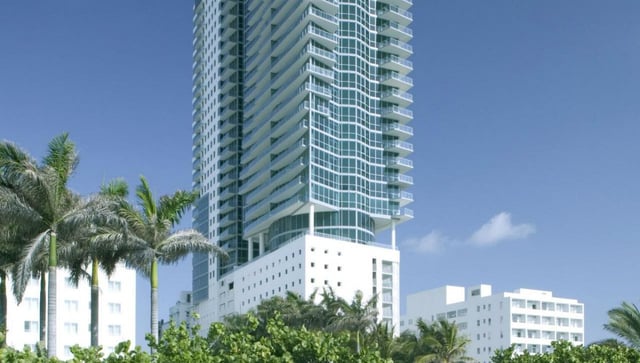
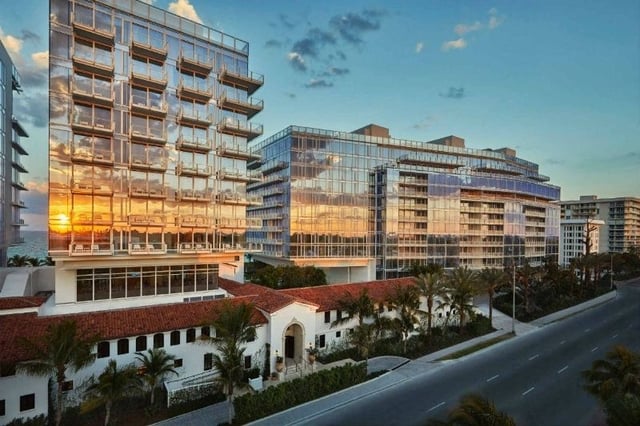
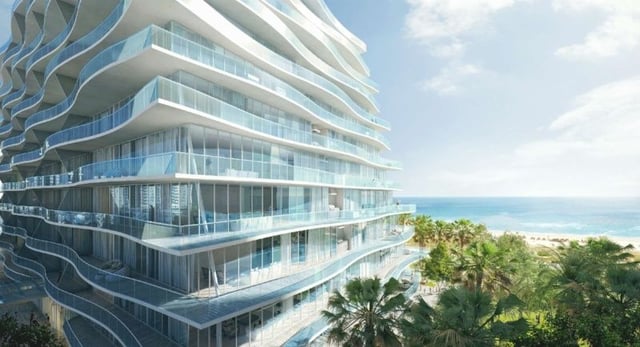
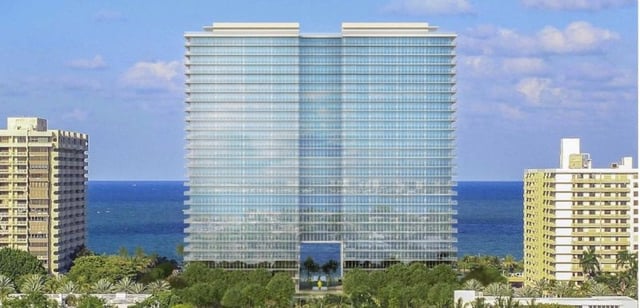
Miami’s luxury condo market is best read as four distinct product categories — urban high-rise (Brickell, Downtown, Edgewater), oceanfront towers (Miami Beach, Sunny Isles, Bal Harbour, Surfside), branded residences (Aman, Cipriani, Faena, Setai-tier), and pre-construction inventory. The right condo depends on whether you prioritize urban energy, oceanfront access, or branded service.
- Urban high-rise (Brickell, Downtown, Edgewater) anchors the entry-luxury and core-luxury condo tiers
- Oceanfront product (Miami Beach corridor, Sunny Isles, Bal Harbour, Surfside) carries the trophy-asset premium
- Branded residences (hospitality- and developer-affiliated) typically command a meaningful PSF premium versus equivalent non-branded inventory
- Pre-construction inventory operates on a different pricing logic than resale — reservation pricing, sponsor allocation, and delivery timing each shift the math
- For UHNW buyers, the right entry usually depends less on listings and more on jurisdiction, tax positioning, and timing within the development cycle
Miami’s condo market is not a single segment. It is a layered system of urban towers, coastal corridors, and branded-service buildings, each with its own pricing logic and buyer profile. The buyers transacting at the top end are rarely choosing “a Miami condo” in isolation — they are choosing among distinct product categories that happen to share a building type.
Miami’s Four Primary Luxury Condo Segments
Urban high-rise — Brickell, Downtown, Edgewater
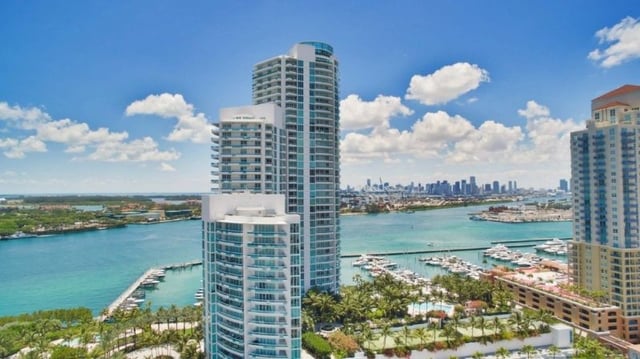
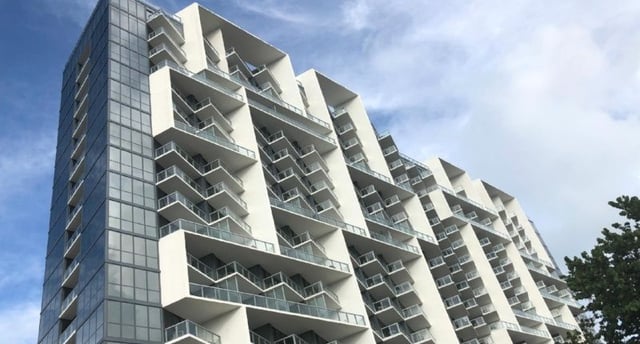
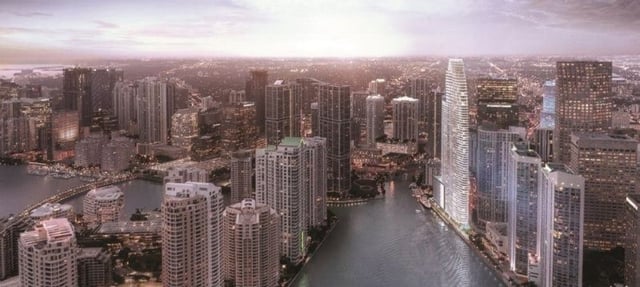
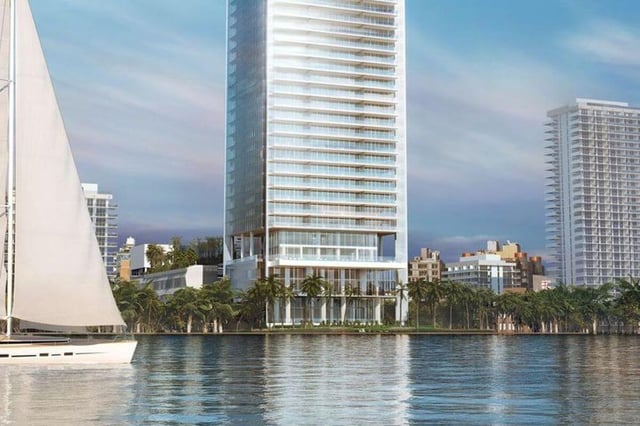
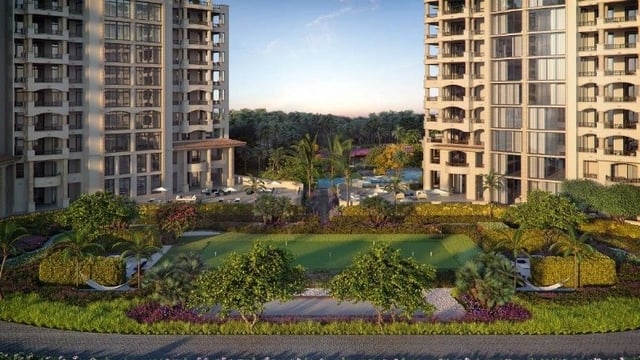
The urban high-rise segment anchors Miami’s entry-luxury and core-luxury condo tiers. Brickell concentrates the largest active development pipeline plus a significant resale stock; Downtown adds Bayfront-facing inventory; Edgewater offers bay views with lower density. Buyer profile skews toward primary residents, professional buyers, and investors with shorter hold horizons.
Oceanfront corridor — Miami Beach, Sunny Isles, Bal Harbour, Surfside
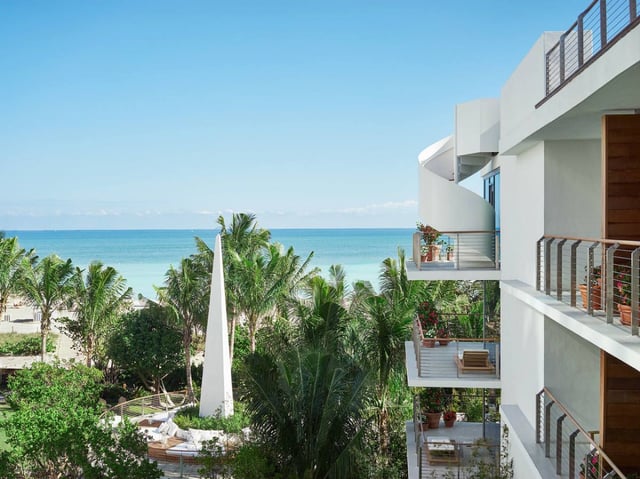
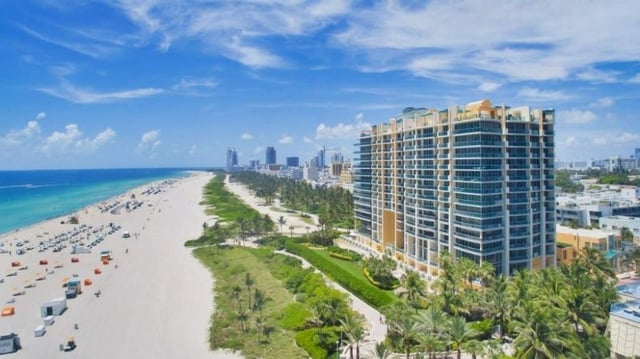
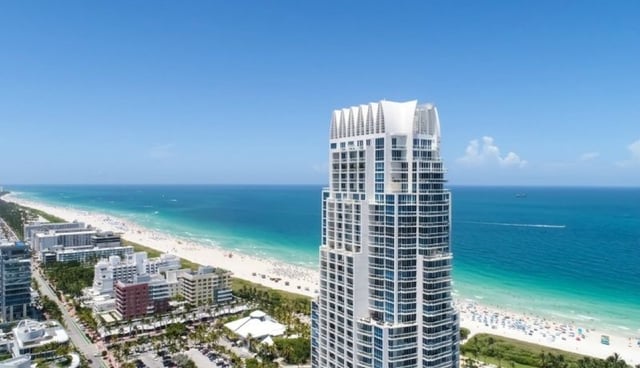
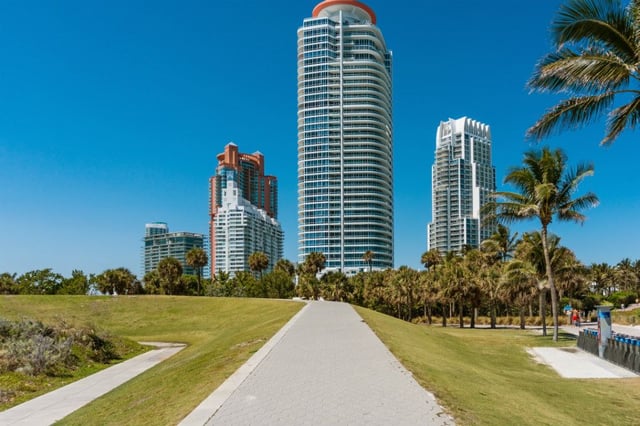
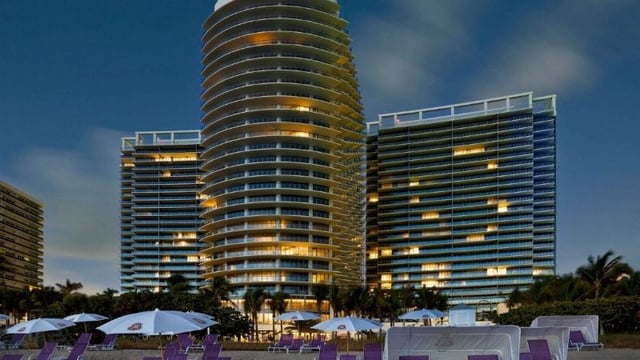
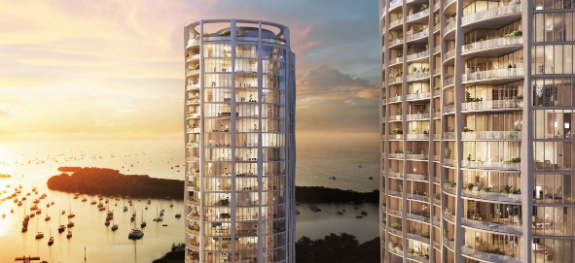
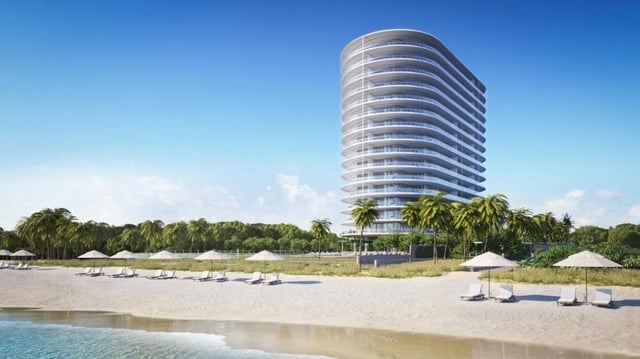
The oceanfront corridor concentrates Miami’s trophy-asset condo inventory. Miami Beach (South Beach, Mid-Beach, North Beach) anchors the core; Sunny Isles delivers ultra-luxury high-rise inventory; Bal Harbour and Surfside offer boutique and branded product. Buyer profile skews international, family-office, and second/third-home.
Branded residences
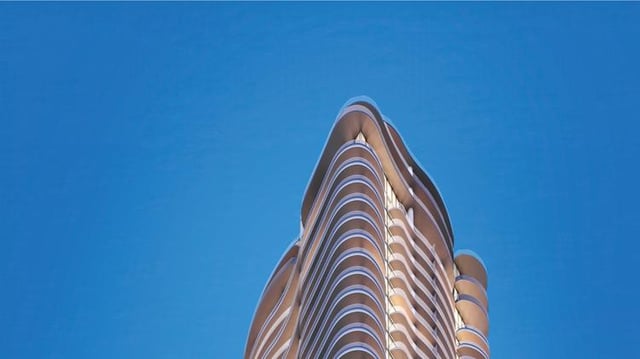
Branded residence programs operate across both urban and oceanfront segments. Hospitality-affiliated brands (Aman, Cipriani, Faena, Setai-tier) and developer-affiliated brands deliver hotel-grade service with full ownership. Branded inventory typically transacts at a meaningful PSF premium versus equivalent non-branded buildings; resale liquidity is structurally lower but price retention through cycles tends to be stronger.
Pre-construction
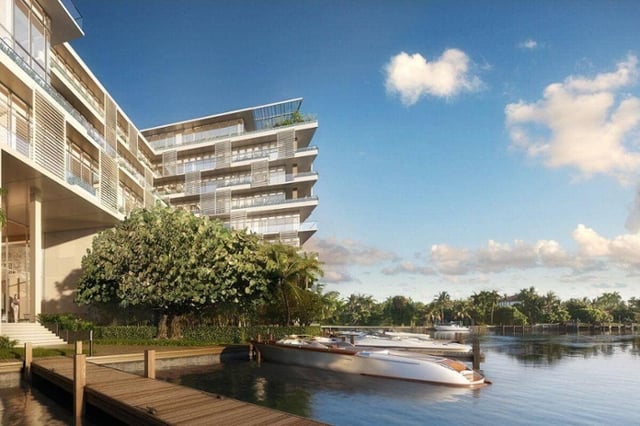
Pre-construction inventory operates on a separate pricing logic. Reservation pricing is typically set below projected at-delivery comps; allocation runs through sponsor relationships rather than first-come. For deeper detail on the active pipeline, see Miami pre-construction.
Condo vs Single-Family in Miami
Miami offers both condominium and single-family inventory at the luxury tier. The framework that typically applies:
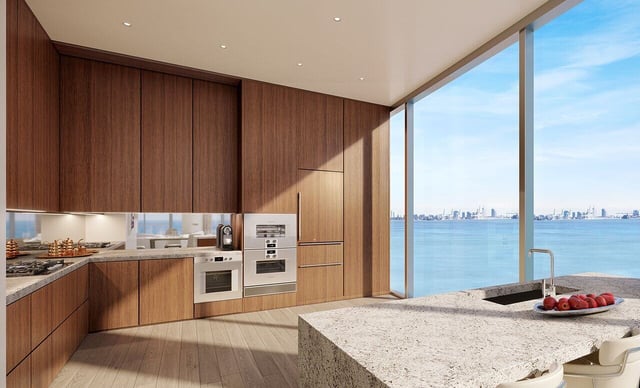
- Condo — lower maintenance overhead, full service in branded buildings, view-driven pricing, easier international-buyer purchase, generally smaller floor plates.
- Single-family / waterfront estate — larger lot, dock rights, full privacy, higher carrying cost, more complex acquisition. Concentrates in private islands (Indian Creek, Star Island, La Gorce, Fisher Island), Coconut Grove, Coral Gables, Pinecrest. See Miami trophy estates.
For buyers prioritizing international-friendly purchase, branded service, or view exposure, condo product is typically the right path. For buyers prioritizing waterfront privacy, lot scale, or family compound, single-family is the right path.
How Miami Luxury Condo Pricing Tiers
Pricing in Miami’s luxury condo market is driven by three primary inputs:
- Location — oceanfront vs urban vs bayfront; corner exposure; view protection.
- Building — developer reputation, architect, branded affiliation, services, structural quality.
- Cycle position — pre-construction reservation, at-delivery sponsor inventory, late-cycle sponsor inventory, or fully resale-led.
Two condos with identical floor plans can transact at materially different prices when these inputs diverge. Identical units in equivalent buildings on opposite sides of a corridor can sit on different absorption schedules. Cycle position is the input most often missed by buyers working from listings alone.
Luxury Condos Miami — FAQ
What’s the difference between a luxury condo in Miami Beach and Brickell?
Miami Beach concentrates oceanfront product with longer-hold buyer profiles (international, family-office, second/third home). Brickell concentrates urban high-rise inventory with shorter hold horizons and a larger active development pipeline. Pricing logic, buyer competition, and liquidity profiles differ at every tier.
Are branded residences worth the premium?
Branded residences typically carry a meaningful PSF premium versus equivalent non-branded inventory. Whether the premium is justified depends on hold period and use case. For long-hold and primary-use buyers, branded inventory tends to retain value more strongly through cycles. For shorter-hold positions, the premium can be harder to recover. See the branded residences Miami overview.
Should I buy pre-construction or resale?
Pre-construction reservation pricing is typically set below projected at-delivery comps and offers customization flexibility. At-delivery sponsor inventory often presents the strongest price-to-quality intersection for trophy floors. Resale offers immediate occupancy and verifiable comparables. The right path depends on hold horizon, customization priority, and tolerance for delivery timing risk.
Are foreign buyers accepted in Miami luxury condos?
Yes. Miami’s luxury condo market is among the most international-buyer-friendly in the United States. Most luxury condo buildings accept foreign buyers without the board-approval process required by NYC co-ops. Structural decisions (entity, jurisdiction, FIRPTA planning) shape after-tax outcome. See foreigners buying U.S. property.
How does Miami’s luxury condo market compare to Manhattan’s?
Manhattan favors capital preservation, global-mobility positioning, and structurally constrained supply. Miami favors capital appreciation, tax-migration positioning, and a larger active development pipeline. Many UHNW buyers hold positions in both markets. See Manhattan vs Miami real estate.
What closing costs apply to a Miami luxury condo purchase?
Florida closing costs are typically lower than New York closing costs, but Miami transactions still carry distinct line items including documentary stamp tax, intangible tax (on financed deals), title insurance, attorney fees, and HOA-specific charges. Foreign buyers should also model FIRPTA exposure on eventual sale. See Miami closing costs.
For active inventory, browse Manhattan apartments for sale and Miami apartments for sale.
Miami market reference: see how Miami pre-construction inventory cycles from reservation to delivery in the Miami pre-construction pipeline 2026. For the cross-market parallel on Manhattan trophy floors with sponsor allocation, see the NYC new development pipeline 2026.
Private Advisory for Miami Acquisitions
Begin with a conversation, not a listing.
Most Miami luxury condo acquisitions begin with criteria, jurisdiction, and timing — not a listing search. Reach out for a confidential briefing tailored to your buyer profile.
Begin a Confidential ConversationAdvising global buyers across New York and South Florida.
Advising global buyers across New York and South Florida.